
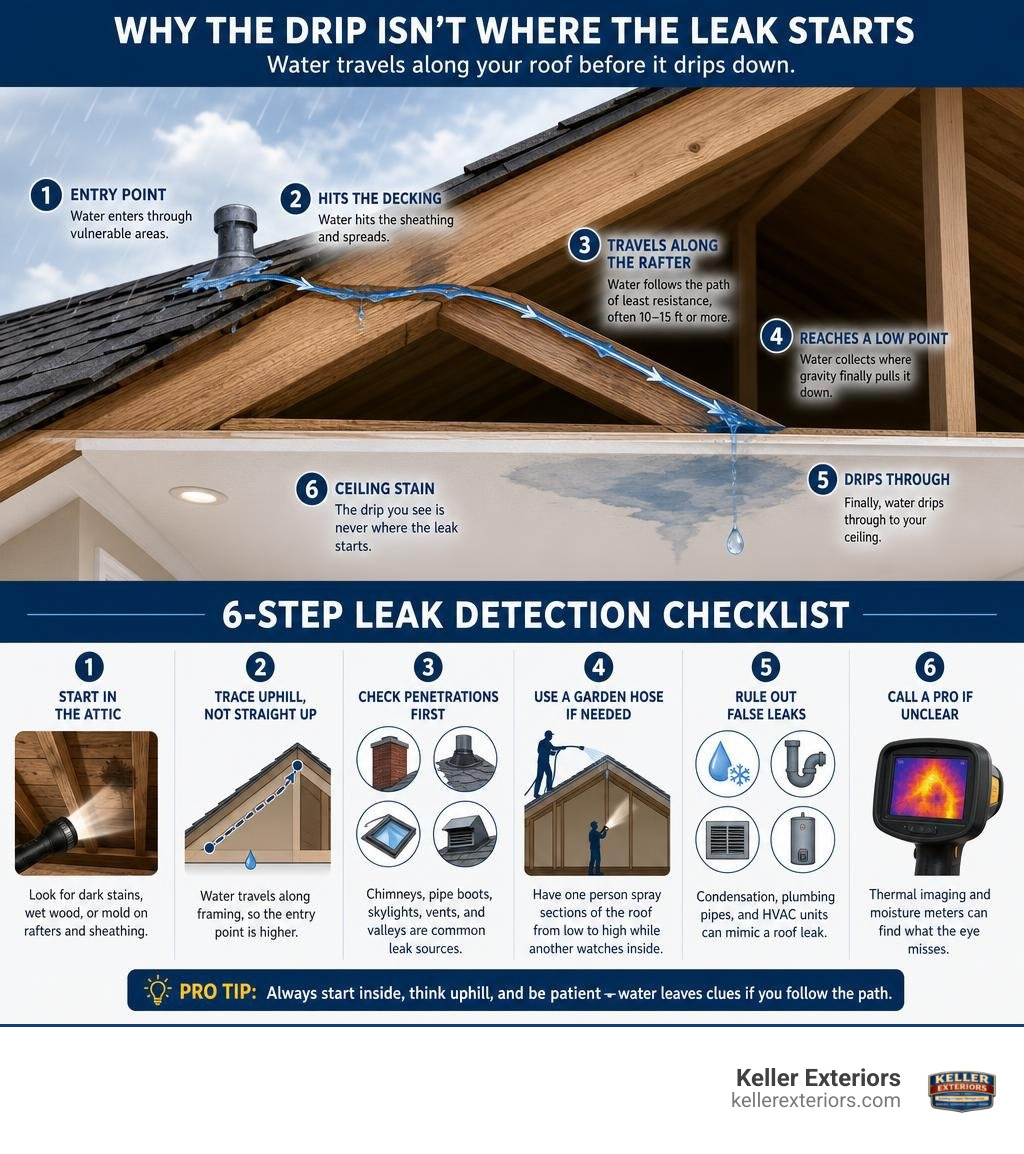
Why the Drip You See Is Rarely Where the Leak Starts
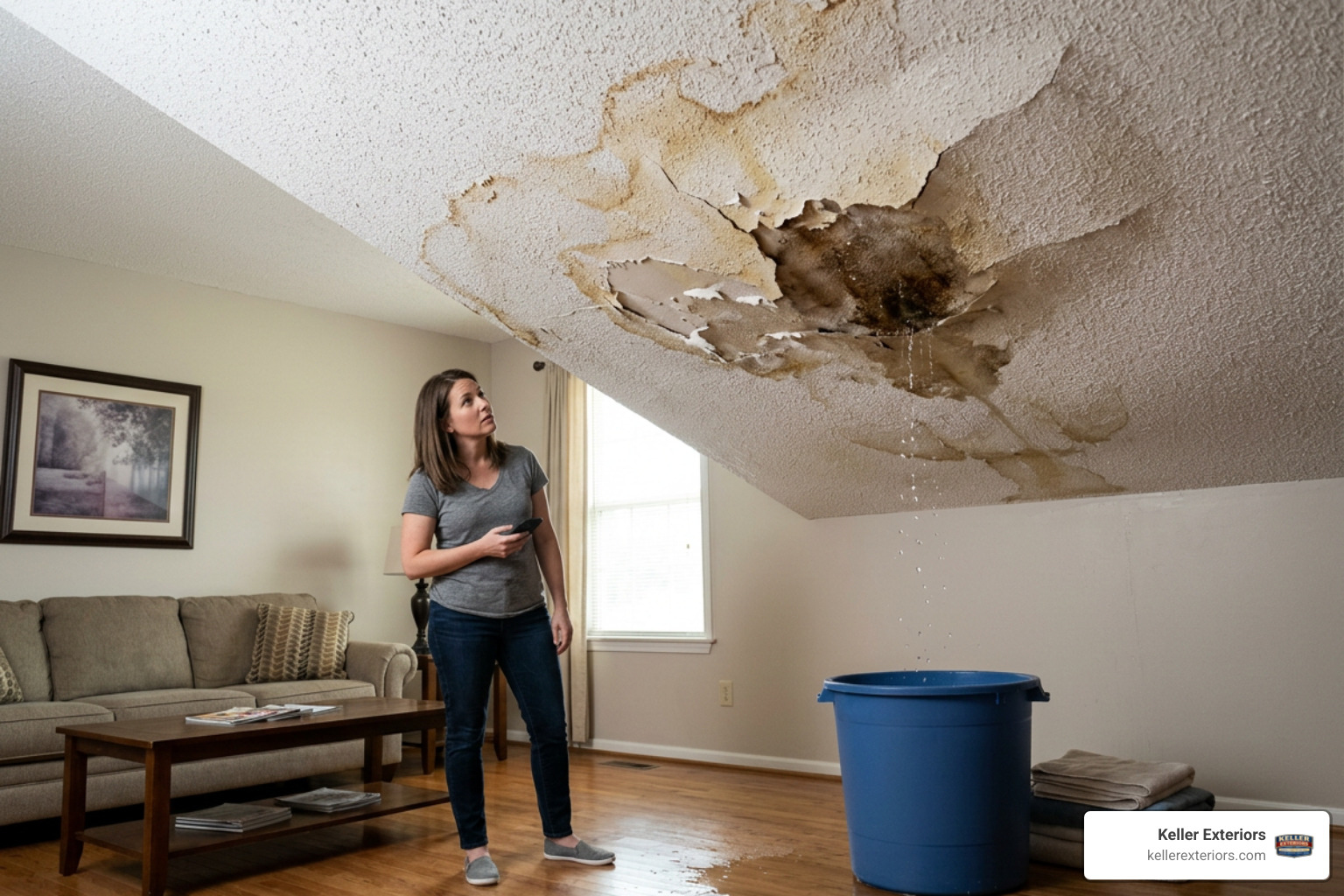
Finding a roof leak is rarely as simple as looking straight up from the water stain on your ceiling.
Here is a quick answer if you need it right now:
How to find a roof leak in less than an hour:
- Start in the attic. Look for dark stains, wet wood, or mold on rafters and sheathing.
- Trace uphill, not straight up. Water travels along framing before it drips, so the entry point is usually higher than the stain.
- Check penetrations first. Chimneys, pipe boots, skylights, vents, and valleys are common leak sources.
- Use a garden hose if you cannot find it visually. Have one person spray small roof sections from low to high while another watches inside.
- Rule out false leaks. Condensation, plumbing pipes, and HVAC equipment can mimic a roof leak.
- Call a professional if the source remains unclear. A trained roofing team can use specialized moisture-detection tools to locate hidden water paths.
Water does not fall straight down through a roof. It can hit the decking, follow a rafter, and travel 10 to 15 feet before it drips onto the ceiling. That difference between where water enters and where it appears makes roof leak detection frustrating for many homeowners.
The good news is that there is a clear, repeatable way to trace a leak back to its source. With a safe, methodical approach, you can often narrow down the problem before arranging repairs.
At Keller Exteriors, our team has spent more than 20 years helping homeowners diagnose exterior problems across the Tulsa area. This guide follows the practical inspection steps our team uses to identify likely roof leak sources while keeping safety first.
Why Water Entry Points and Interior Drips Rarely Align
Gravity is straightforward, but water can take an unexpected path once it enters a roof system. Rain that gets past the outer roofing material does not always drip directly onto drywall. It can land on the plywood sheathing or roof decking first.
From there, water often moves down the roof slope along the underside of the decking. It may follow a rafter, electrical wiring, or a support member until it reaches a seam, joint, or opening where it finally drips.
Because of that lateral movement, a ceiling stain in your living room may come from a damaged area much higher on the roof slope and several feet away. Looking only at shingles directly above the stain can cause you to miss the actual entry point.
For Tulsa, OK, homeowners, wind and hail can create small flashing gaps or lift shingles without immediately causing an indoor stain. After a storm, document visible damage from the ground and arrange a qualified inspection if you notice missing shingles, bent flashing, or new interior moisture.
Essential Tools and Safety Prep for Roof Inspections
Before searching for a leak, gather the right tools and set clear safety limits. Roof inspections can be hazardous, especially when climbing a ladder or walking on a roof surface.
Here is a checklist of useful DIY leak-detection tools:
- A bright flashlight or headlamp
- A moisture meter to confirm active dampness
- Colored painter’s tape or chalk to mark suspect areas
- A sturdy extension ladder that extends at least 3 feet above the roof edge
- Soft-soled, high-traction shoes
- A safety harness or personal fall-arrest system if you must walk on a steep roof
Safety must come first. Never walk on a wet, icy, or steep roof. Inspect from the ground, attic, or ladder only when conditions are dry and stable. When setting up a ladder, use the 4-to-1 rule: place the base 1 foot from the wall for every 4 feet of ladder height.
If you have a tile roof in Jenks, OK, or a flat roof in Owasso, OK, walking on the surface can damage the material. Clay tiles can crack under foot traffic, and flat-roof membranes can puncture if debris is present. Start from the attic or use binoculars from the ground when possible.
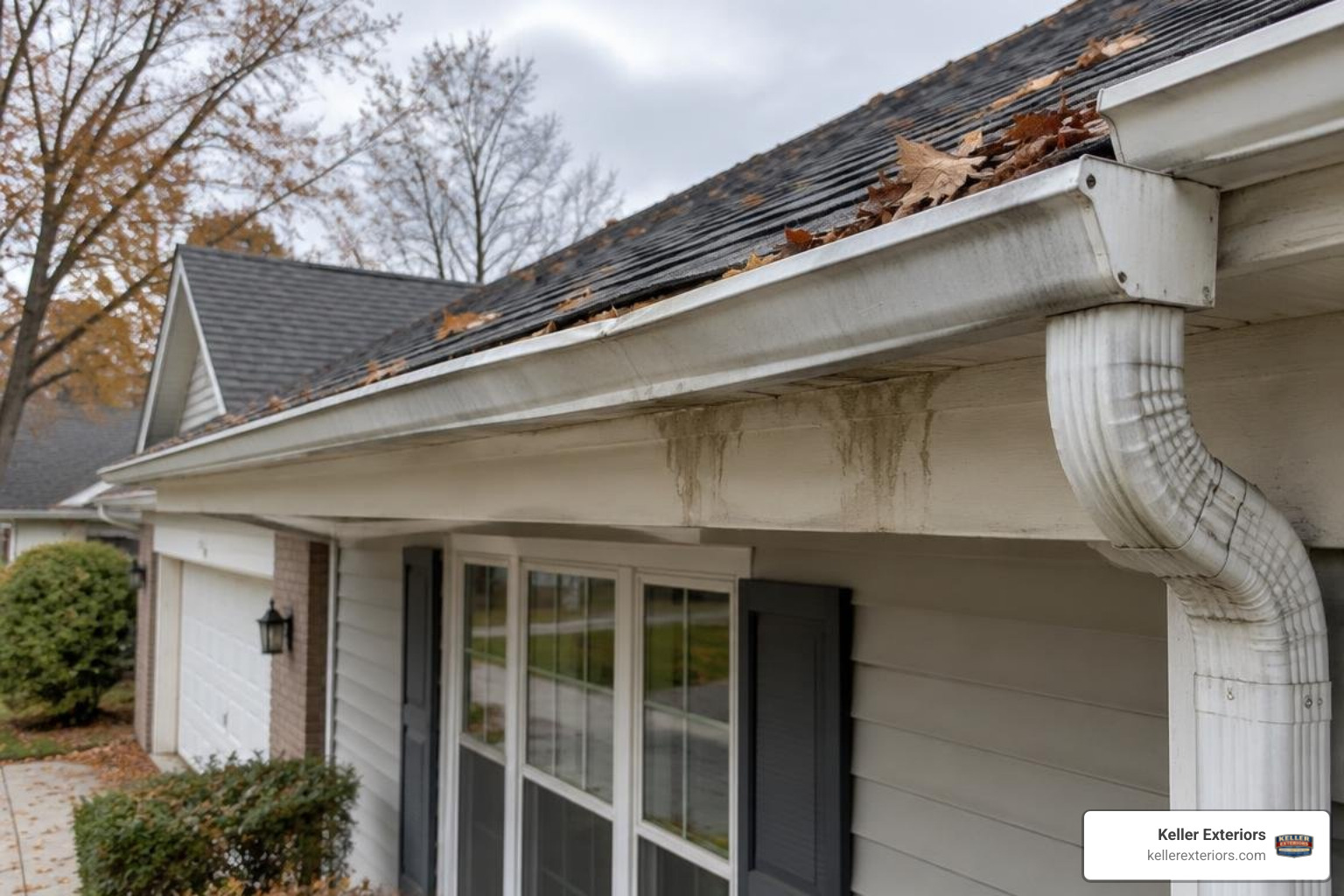
If water seems to be coming from the roof edge, overflowing or leaking gutters may be part of the issue. Keller Exteriors provides professional gutter services that can help correct drainage problems before backed-up water reaches the roof deck.
A Step-by-Step Guide to Finding a Roof Leak from Your Attic
The safest and most effective way to begin finding a roof leak is from inside the attic. This approach lets you inspect the underside of the roof decking, where water often first becomes visible.
Follow these steps to trace a leak through your attic:
Step 1: Map the Interior Stain
Before heading into the attic, measure the stain’s distance from nearby exterior walls. Use those measurements to locate the corresponding area above the damaged ceiling.
Step 2: Prepare Your Safety Gear
Wear a dust mask, safety glasses, and long sleeves to protect yourself from fiberglass insulation. Step only on ceiling joists, never on the drywall between them. Bring a strong flashlight and painter’s tape.
Step 3: Look for Daylight
Once you are safely positioned, turn off your flashlight briefly during the day. Pinpricks of daylight through the roof deck can point to holes near shingles, flashing, or fasteners.
Step 4: Trace Water Stains Up-Slope
Turn the flashlight back on and inspect rafters and sheathing above the measured area. Look for dark stains, mold, damp wood, or white mineral deposits. If you find moisture, trace the trail up-slope toward the roof peak. The leak entry point is usually near the highest point of the trail.
Step 5: Check Insulation and Nails
Look for compressed, discolored, or damp insulation. Also inspect roofing nails protruding through the sheathing. Rusted nails or dark rings around fasteners can signal recurring moisture.
Mark wet areas with painter’s tape or chalk so you can find them from outside later. If you need short-term guidance after locating a likely breach, our roof patching guide for homeowners covers safer temporary measures while you arrange a lasting repair.
Rule out false leaks during the attic search. Condensation often appears as widespread droplets or rusted nails throughout the attic, while a plumbing leak or HVAC condensate issue may follow a pipe or drain line. A true roof leak is more likely to form a localized moisture trail that leads toward a roof penetration or damaged area.
How to Perform a Controlled Hose Test for Stubborn Leaks
If an attic inspection does not reveal the source, a controlled garden hose test can help pinpoint the breach. This test simulates rainfall on small roof areas so you can see where water begins to enter.
Use a two-person method:
- Assign roles. One person stays inside the attic with a flashlight and phone while the other operates the hose from a stable location.
- Start low and work uphill. Begin at the lowest part of the suspected area. Starting at the top lets water run across too much roof surface and makes the source harder to isolate.
- Isolate sections. Spray one small area for 3 to 5 minutes, focusing first on penetrations such as vent pipes, chimney flashing, skylights, and valleys.
- Communicate. The person in the attic should watch for the first sign of moisture and immediately tell the person outside to stop.
- Mark the location. Note where the hose was aimed when water appeared and mark that exterior area for a professional assessment.
Never use a pressure washer for this test. High-pressure water can force water under sound shingles and create new damage. A gentle garden-hose spray is enough to imitate normal rainfall.
During the hose test, check the eaves and gutters as well. Clogged gutters can push water beneath the lower edge of shingles and resemble a roof leak. Our article on spotting and addressing leaking gutter seams can help you recognize when the drainage system needs attention.
Common Leak Sources Across Different Roof Types
Different roofing materials have different weak points. Knowing where leaks commonly occur on your roof type can help you inspect more efficiently.
Asphalt Shingle Roofs
Asphalt shingles are common throughout Tulsa, OK. On these roofs, flashing around chimneys, skylights, and dormer walls is often the weak point. Sealant at these joints can dry out and crack over time.
Another common problem is a damaged plumbing vent boot. The rubber collar around a vent pipe can deteriorate from sun exposure before the shingles themselves wear out.
Tile Roofs
Clay and concrete tile roofs are durable, but the tiles themselves are not the primary waterproofing layer. The underlayment beneath them manages water. Wind-driven debris can collect beneath tiles and redirect water sideways, while foot traffic can crack tiles and expose the underlayment.
Flat and Low-Slope Roofs
Flat roofs on commercial buildings and modern homes in Tulsa Hills, OK, often rely on continuous membrane systems. Because these roofs drain more slowly, standing water and clogged drains can expose small seam failures.
| Roof Type | Primary Leak Vulnerability | Typical Failure Pattern |
|---|---|---|
| Asphalt Shingle | Pipe boots and flashing | Sun-damaged rubber, cracked sealant, or lifted flashing |
| Tile | Underlayment and broken tiles | Debris buildup, cracked tiles, or worn underlayment |
| Flat Membrane | Seams and drains | Standing water, clogged drains, or separated seams |
| All Roof Types | Valleys and metal joints | Dried sealant and seasonal movement |
Recurring leaks on an older roof can indicate a larger system issue rather than one isolated defect. A professional inspection can help determine whether a focused repair or broader work is the safer long-term option.
When to Bypass DIY and Call a Professional
Finding a roof leak yourself can save time, but some situations require professional help. Avoid climbing onto a high, steep, slippery, or complex roof. Homeowners in Bartlesville, OK, Claremore, OK, and surrounding areas should also take extra care with multi-story homes and roofs that are difficult to access safely.
Call a roofing professional if you cannot identify the source after a careful inspection, if water is actively entering the home, or if the leak involves extensive staining, sagging drywall, electrical fixtures, or suspected structural damage. These conditions can require special tools and a repair plan that addresses both the entry point and hidden moisture.
DIY repairs may also affect a manufacturer or workmanship warranty. A qualified contractor can document the condition, identify the repair scope, and complete work with the proper safety practices.
Our team at Keller Exteriors helps homeowners throughout the Tulsa metro area diagnose and repair complex leaks. Explore our roofing services when you need an experienced team to inspect the roof, identify the cause, and recommend the right next step.
Frequently Asked Questions About Roof Moisture
What is the easiest method for finding a roof leak without attic access?
If your home has vaulted ceilings or no attic access, use a moisture meter to scan ceilings and walls and map the wettest area. Then transfer those measurements to the exterior and inspect shingles and flashing up-slope from that point.
How do professionals use thermal imaging for finding a roof leak?
Professionals may use infrared cameras to identify temperature differences that can suggest hidden moisture. They combine those readings with a visual inspection and moisture testing to confirm the source before recommending repairs.
Why does my roof only leak during heavy rain?
A leak that appears only during heavy or wind-driven rain often points to flashing, valleys, or loose shingles. Higher water volume can overwhelm a weak joint, and wind can push water sideways beneath damaged materials.
Can a small roof leak cause mold to grow?
Yes. Damp drywall, wood, and insulation can support mold growth if they remain wet. Dry the area promptly and have recurring moisture evaluated so hidden damage does not continue.
How can I temporarily stop a roof leak during a storm?
Catch dripping water with a bucket placed on plywood across ceiling joists if it is safe to enter the attic. Do not climb onto the roof during a storm. After conditions are dry, arrange a professional inspection and use only temporary protective measures that do not create additional damage.
How do I tell the difference between a roof leak and condensation?
Condensation usually creates widespread droplets, rusted nails, or uniform mold growth across a large attic area. A roof leak usually creates a concentrated wet spot or distinct stain that can be traced toward a penetration, valley, or damaged section of roof.
What affects a professional roof inspection in Tulsa, OK?
The scope of an inspection depends on the home’s size, roof height, roof design, access, and whether moisture detection or other specialized assessment is needed. Ask the contractor what the inspection includes and whether they will document the likely source and recommended repair steps.
Will homeowners insurance cover a roof leak?
Homeowners insurance may cover sudden, accidental damage from events such as wind, hail, or a fallen limb. It typically does not cover leaks caused by normal wear, poor maintenance, or an aging roof. Review your policy and speak with your insurer before authorizing major repairs.
How long can a roof leak go unnoticed before causing structural damage?
A leak can remain hidden for months when insulation absorbs water before a ceiling stain appears. By the time you see indoor damage, roof decking, framing, or insulation may already need attention.
What are the most common places for a roof to leak?
Most residential roof leaks start around penetrations and flashing. Common trouble spots include pipe boots, chimney flashing, skylight seals, step flashing at walls, roof valleys, and gutters or drains that trap water near the roof edge.
Protect Your Tulsa Home with Professional Roof Repair
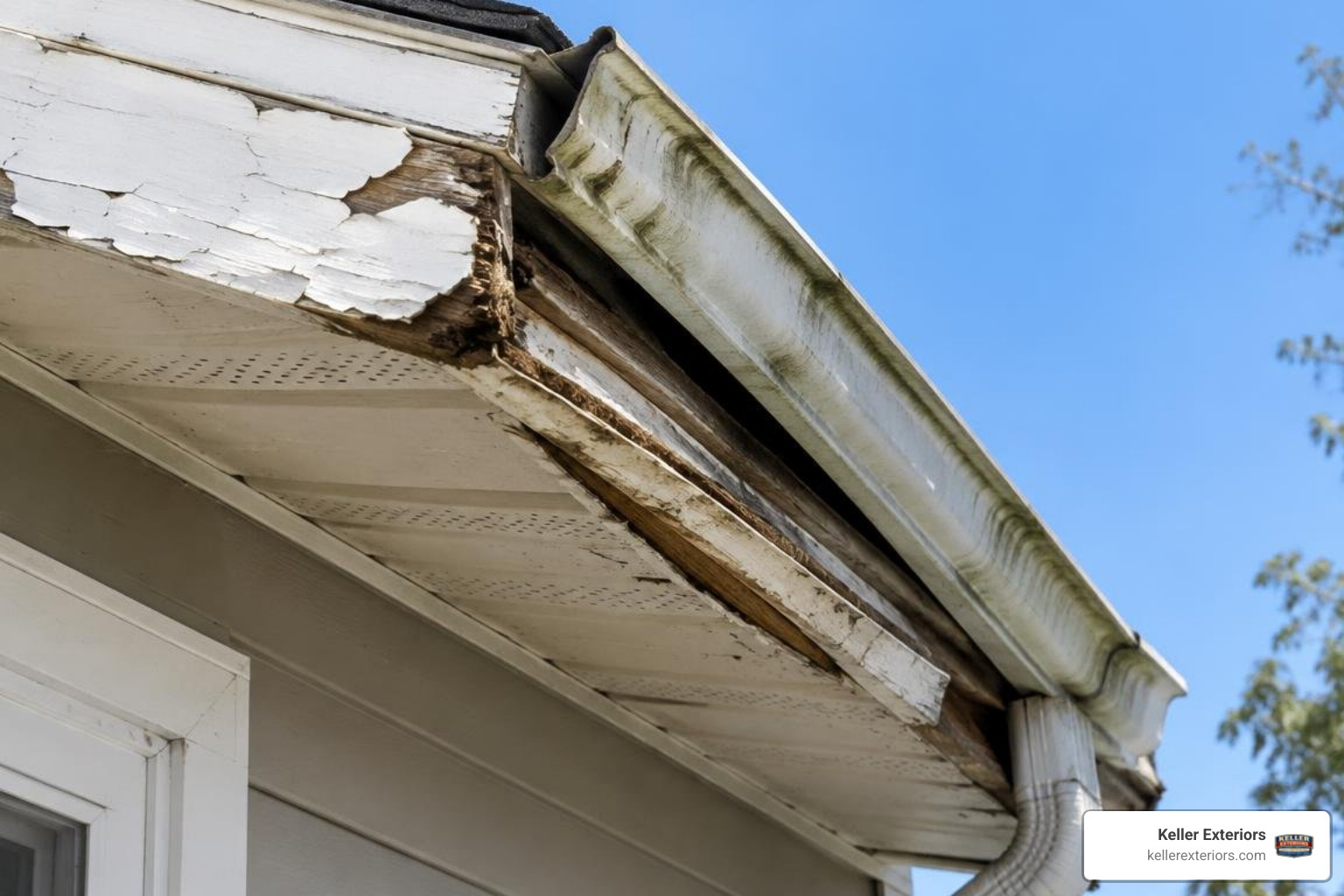
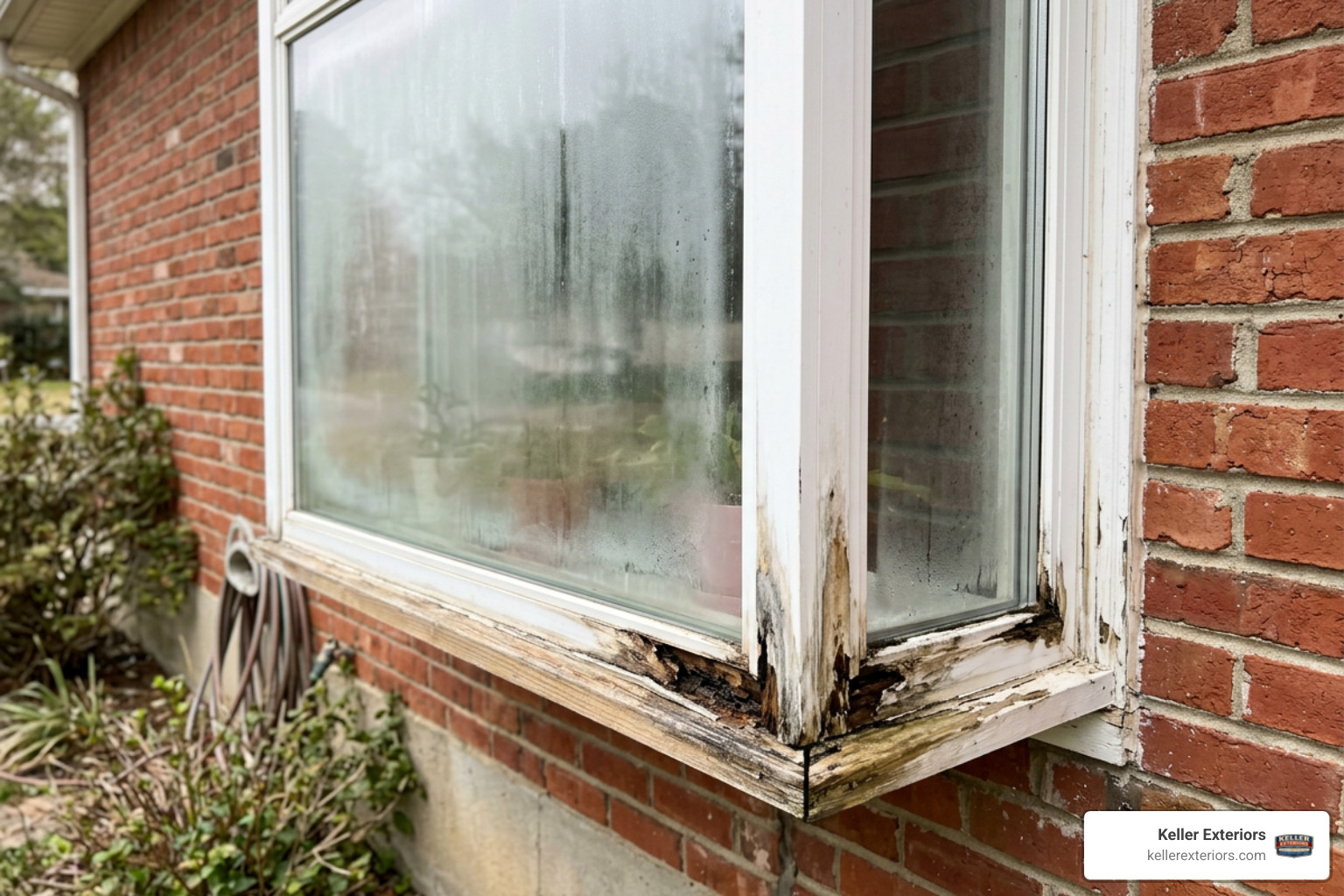
Locating a roof leak is only the first step. Acting quickly can limit wood rot, mold growth, insulation damage, and costly interior repairs. Whether you notice a small drip in Broken Arrow, OK, or storm-related damage in Bixby, OK, avoid letting the problem continue unchecked.
Keller Exteriors provides dependable roof evaluations and repair guidance tailored to homes across northeastern Oklahoma. Our team can help identify the leak source, explain the condition clearly, and recommend an appropriate repair path.
For help with an active or recurring leak, contact our professional roof repair technicians to schedule an inspection and protect your home from further water damage.