Commercial Roofing in Tulsa, Oklahoma

Keller Exteriors: Tulsa Commercial Roofing Pros Since 2001
2P3A3600 e1781137237201

Commercial Roofing in Tulsa, OK

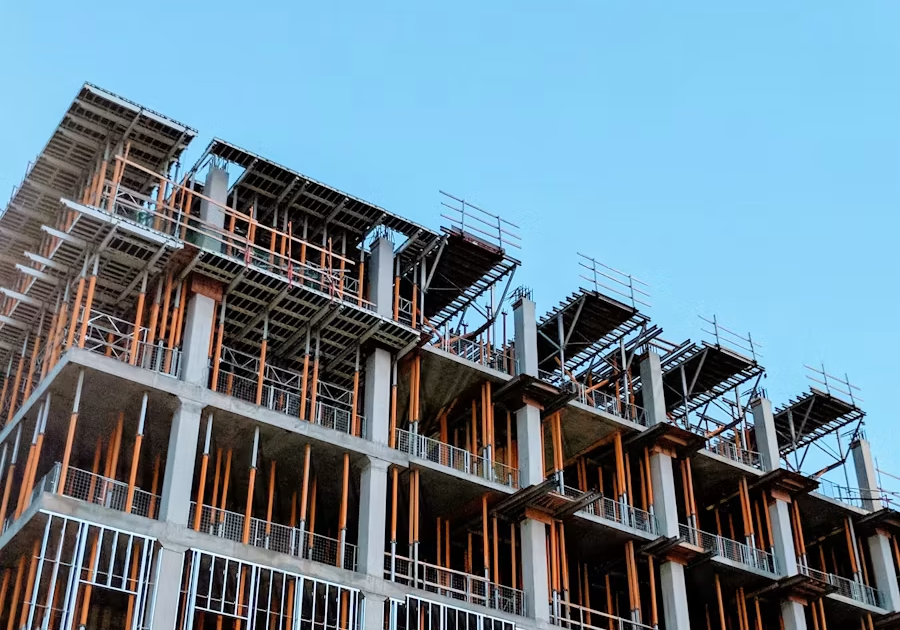
Commercial roofing in the Tulsa market covers a wide range of building types — strip retail, office buildings, warehouses, manufacturing facilities, restaurants, medical offices, schools, and multi-family residential properties. Each building type brings its own roof system requirements, code compliance considerations, and tenant or operational constraints that the contractor has to navigate. Commercial roofing is not just bigger residential work — the systems, the materials, and the project management are categorically different.

Keller Exteriors has handled Tulsa-area commercial roofing since 2001. Our crews work on TPO, EPDM, modified bitumen, metal, and other commercial systems across single-tenant buildings, multi-tenant complexes, and large industrial properties. For residential projects see Residential Roofing, and for storm-related commercial work see Storm Damage. Call 918-321-6982 to schedule a commercial consultation.

Commercial Roofing Systems We Install

Different commercial buildings call for different roofing systems. Choosing the right system depends on roof slope, building use, exposure, budget, and warranty preferences.

TPO (Thermoplastic Polyolefin).

The current Tulsa commercial standard for low-slope and flat roofs. White reflective membrane with heat-welded seams, strong UV resistance, and energy efficiency benefits from solar reflectance.

EPDM (Ethylene Propylene Diene Monomer).

Black rubber membrane that has served the commercial market for decades. Long service life, excellent weather resistance, and proven performance.

Modified Bitumen.

Asphalt-based membrane systems applied in multiple plies, including torch-applied and self-adhered options. Common on existing flat roofs and where puncture resistance is a priority.

PVC (Polyvinyl Chloride).

Premium reflective membrane similar to TPO but with chemical resistance suitable for restaurants, manufacturing, and other facilities with grease or chemical exposure.

Metal Roofing.

Standing seam and exposed-fastener metal panels for sloped commercial roofs and architectural commercial buildings.

Built-Up Roofing (BUR).

Traditional gravel-and-tar systems that remain in service on many older Tulsa commercial buildings. Repair and partial replacement work common, full new BUR installs increasingly rare.

Spray Polyurethane Foam (SPF).

Sprayed-in-place foam roofing with seamless coverage and strong insulation values. Common on irregular roof shapes and recover applications.

Star Icon

Commercial Building Types We Serve

Tulsa commercial roofing demand spans every common building category. Each type brings its own typical roof system, project constraints, and timing considerations.

Strip retail and shopping centers.

Multi-tenant buildings where roof work has to coordinate with tenant operations, parking access, and varying lease responsibilities. TPO membrane is the typical choice.

Office buildings.

Single-tenant or multi-tenant office buildings with low-slope membrane roofs. Work typically scheduled to minimize disruption to occupied space below.

Warehouses and distribution centers.

Large flat-roof structures where work coordinates around shipping operations and inventory protection. Material staging and crane access often factor into project planning.

Manufacturing facilities.

Industrial buildings with potentially specialized requirements around equipment penetrations, chemical exposure, or fire-rating considerations.

Restaurants and food service.

Buildings with grease exposure from kitchen exhausts, often calling for chemical-resistant PVC or specialized TPO formulations.

Medical offices and clinics.

Healthcare facilities with low tolerance for water intrusion and strict scheduling requirements around patient care.

Schools and public buildings.

Education and public-sector work with bid requirements, scheduling around academic calendars, and specific code compliance documentation.

Multi-family residential.

Apartment buildings, condos, and townhome communities with HOA or property management coordination requirements.
Vector

Commercial Roof Inspection and Assessment

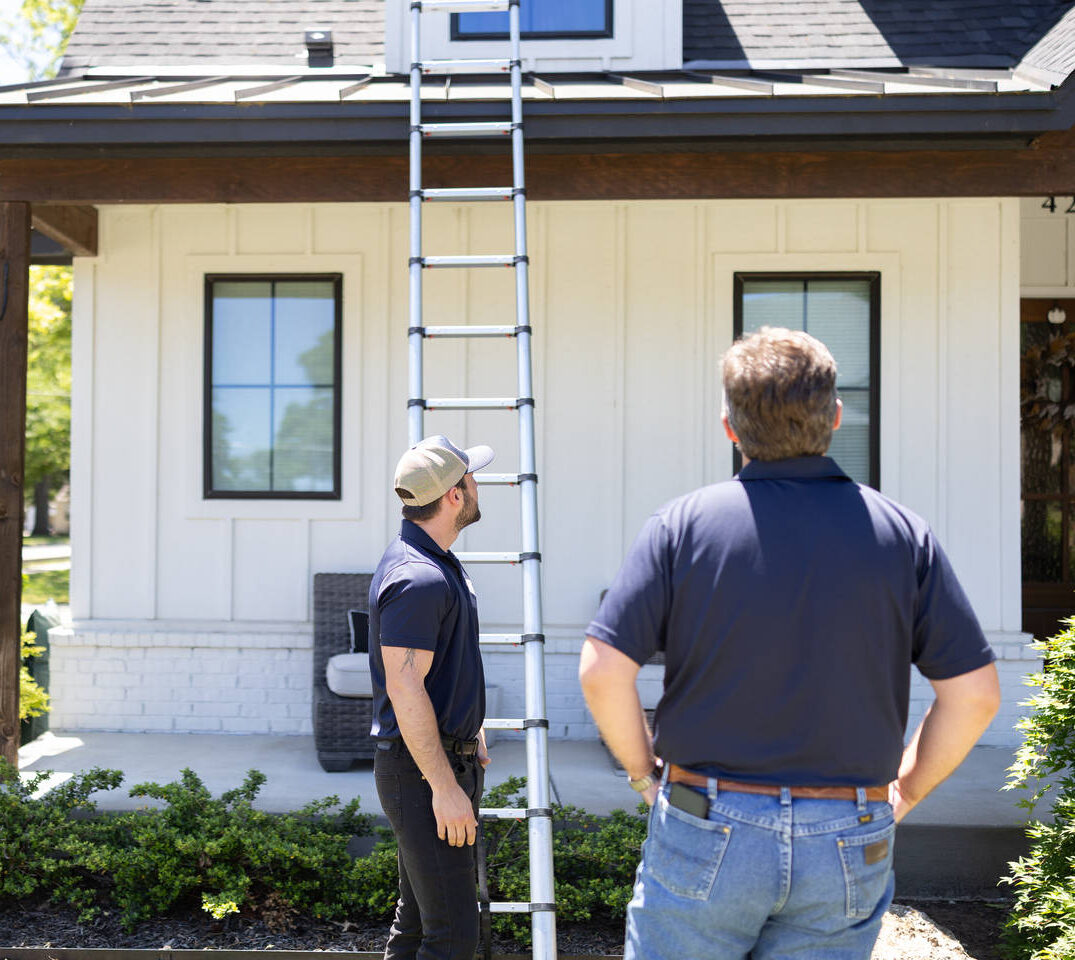
Commercial roofing decisions start with thorough assessment. Most commercial buildings benefit from regular inspection regardless of any active issue, and pre-purchase or pre-lease assessment is increasingly standard for commercial real estate.

Visual inspection of roof field.

Walking the entire roof surface to document membrane condition, seam integrity, ponding water, debris accumulation, and visible damage.

Penetration and equipment review.

HVAC units, exhaust fans, plumbing vents, antennas, and other roof-mounted equipment all create penetrations that need individual inspection.

Drainage assessment.

Roof drains, scuppers, and downspouts inspected for blockage, damage, and proper drainage. Standing water on commercial roofs often signals drainage failures.

Flashing and termination review.

Wall flashing, parapet caps, edge metal, and equipment flashings all require detailed inspection.

Moisture survey on existing systems.

Infrared or capacitance moisture surveys identify wet insulation under intact membrane, supporting decisions between recover and full replacement.

Photo documentation and written report.

Comprehensive photo report with condition assessment, recommended actions, and budget estimates for short-term and long-term work.

Mascot KELLER half body 2 e1778189717710

Repair vs. Recover vs. Replace Decisions

Commercial roof decisions typically come down to three options, each with different cost profiles and service life expectations.

  • Targeted Repair. Localized work to fix specific issues — failed seams, damaged sections, leaking penetrations. Appropriate when the rest of the roof has remaining service life.
  • Recover or Overlay. New membrane installed over the existing roof without tear-off. Faster, less expensive, and less disruptive than full replacement, but limited to roofs without significant moisture damage and within code allowances.
  • Full Replacement. Tear-off down to deck, new insulation, and new membrane system. Highest upfront cost but full new service life on the new roof. Required when existing roof has widespread moisture damage or has reached end of life.

Each option has its place. The right choice depends on roof condition, budget, building use, and timeline preferences. Our assessments include written recommendations across all three approaches with budget estimates for each.
2P3A2514 e1781137258912

Commercial Project Coordination

Commercial roofing projects involve coordination beyond what residential projects typically require. Standard coordination on Tulsa commercial work includes the following.

Pre-bid site visits.

Detailed site assessment before bid submission, including existing roof inspection, access route review, and material staging area identification.

Tenant and occupant coordination.

Communication with tenants about work timing, noise expectations, parking impacts, and access restrictions. Multi-tenant buildings require additional coordination effort.

Operations scheduling.

Project scheduling around facility operations — overnight work for retail, weekend work for offices, school break work for educational facilities.

Permitting and code compliance.

Commercial work often involves more complex permitting than residential, with energy code, fire rating, and structural considerations beyond residential scope.

Material delivery and crane scheduling.

Large material loads require crane work that has to schedule around the building's operational hours and access points.

Safety planning.

OSHA-compliant fall protection, edge protection, and access control on every commercial project, with documented safety plans for each site.

Property manager and owner communication.

Regular project updates, change order documentation, and final walkthrough with the property representative.
2P3A3647 e1781137212362

Energy Efficiency and Tax Considerations

Modern commercial roofing decisions increasingly factor energy efficiency and tax incentives into the system selection.
  • Reflective membrane systems. White TPO and PVC membranes reflect significantly more solar energy than dark roofing, reducing cooling loads and HVAC operating costs during Tulsa summers.
  • Insulation upgrades. Roof replacement projects often include insulation upgrades to current energy code, with payback through reduced HVAC operating costs.
  • Cool roof tax incentives. Various federal and state tax incentives may apply to qualifying cool roof installations. Specific eligibility depends on the building, the system, and current tax law. Discussion with the building owner’s tax advisor is recommended.
  • Energy code compliance. Commercial energy code requires specific R-values for insulation depending on the building type and climate zone. Replacement projects must meet current code regardless of what was previously installed.
2P3A2541

Why Professional Commercial Work Matters

Commercial roofing failures cost dramatically more than residential failures because the building is in active commercial use and the consequences cascade through tenant operations, inventory protection, and business continuity.

Local Commercial Experience in Tulsa

Tulsa commercial roofing demand runs steady year-round across the metro. Spring and fall are the heaviest install seasons given weather, with summer concentrating on warehouse and industrial work where heat tolerance allows. Our team has worked across every major Tulsa commercial sub-market — Brookside retail, Cherry Street office, downtown high-rise, southeast manufacturing, north Tulsa warehouse, and Broken Arrow strip retail. That breadth gives us familiarity with the building types, code requirements, and operational constraints common across the local commercial market.
Rectangle 24 3
Star Icon

recent tulsa-area

Commercial Projects

photo 1601074231509 dce351c05199 e1786709477188

Strip Retail TPO Replacement in Broken Arrow

A multi-tenant strip retail building in Broken Arrow needed full TPO replacement after the original 18-year-old single-ply membrane reached end of life. Our crew completed tear-off, new ISO insulation, and full TPO membrane install across two weeks, with work scheduled overnight to minimize disruption to retail tenants. The project completed under budget and on schedule.
photo 1599707254554 027aeb4deacd

Warehouse Roof Recover in Sand Springs

A Sand Springs warehouse property elected for a TPO recover over the existing modified bitumen system after moisture survey confirmed the existing roof was dry and within recover code allowance. The recover saved the property significant cost compared to full replacement and added 20-plus years of new service life.
photo 1508450859948 4e04fabaa4ea e1786709453594

Office Building Repair in Midtown

A midtown Tulsa office building had localized leaks at HVAC penetrations and along one parapet wall. Our team identified the specific failure points, completed targeted repairs and flashing replacement, and the building has been leak-free since the work completed. The repair scope was a fraction of full replacement cost and bought the property several more years on the existing roof.

Why Tulsa Property Owners Choose Keller Exteriors

Tulsa property owners and managers come back to Keller Exteriors for commercial work because the project gets handled like a commercial project, not an oversized residential job. Tenant coordination, code compliance, scheduling discipline, and documentation all run at the level the property requires.

Frequently Asked Questions

Star Icon

Project duration depends heavily on building size, system choice, weather, and operational constraints. Single-tenant retail or small office buildings typically complete within 1 to 2 weeks. Large warehouses and multi-tenant complexes can run 4 to 8 weeks or longer. 

Yes. Tulsa commercial work routinely schedules around tenant operations including overnight work for retail, weekend work for offices, and break-period work for schools. Operational coordination is part of standard project planning.

Commercial roofing costs depend on building size, system choice, insulation requirements, and any tear-off scope. Free site assessments include written budget estimates across repair, recover, and replacement options. 

Yes. Commercial storm damage claims run through similar processes to residential claims, with additional documentation requirements typical on commercial policies. Our team handles inspections, claim documentation, adjuster meetings, and direct billing.

TPO is a white reflective single-ply membrane with heat-welded seams, strong on energy efficiency. EPDM is a black rubber membrane with proven decades-long service life. Both are excellent commercial systems with different strengths.

Often yes, particularly when issues are localized and the rest of the roof has remaining service life. Our assessments include repair, recover, and full replacement recommendations with budget estimates for each.

Yes. Commercial maintenance plans cover regular inspection, minor repair work, and priority response on issues. Plans include compliance documentation suitable for insurance and lender requirements.

Commercial roofing manufacturer warranties typically run 15 to 30 years depending on the system, the installer certification, and the specific product line. Premium NDL (No Dollar Limit) warranties are available on properly installed systems.

Schedule a Commercial Roofing Consultation in Tulsa Today

Keller Exteriors has handled Tulsa commercial roofing since 2001 across retail, office, warehouse, manufacturing, and multi-family properties. Whether the project is targeted repair, full replacement, or ongoing maintenance, our team brings the experience, certifications, and project discipline that commercial work requires.

Free Site Assessments • Manufacturer-Certified Crews • 24/7 Storm Response

Mascot KELLER half body