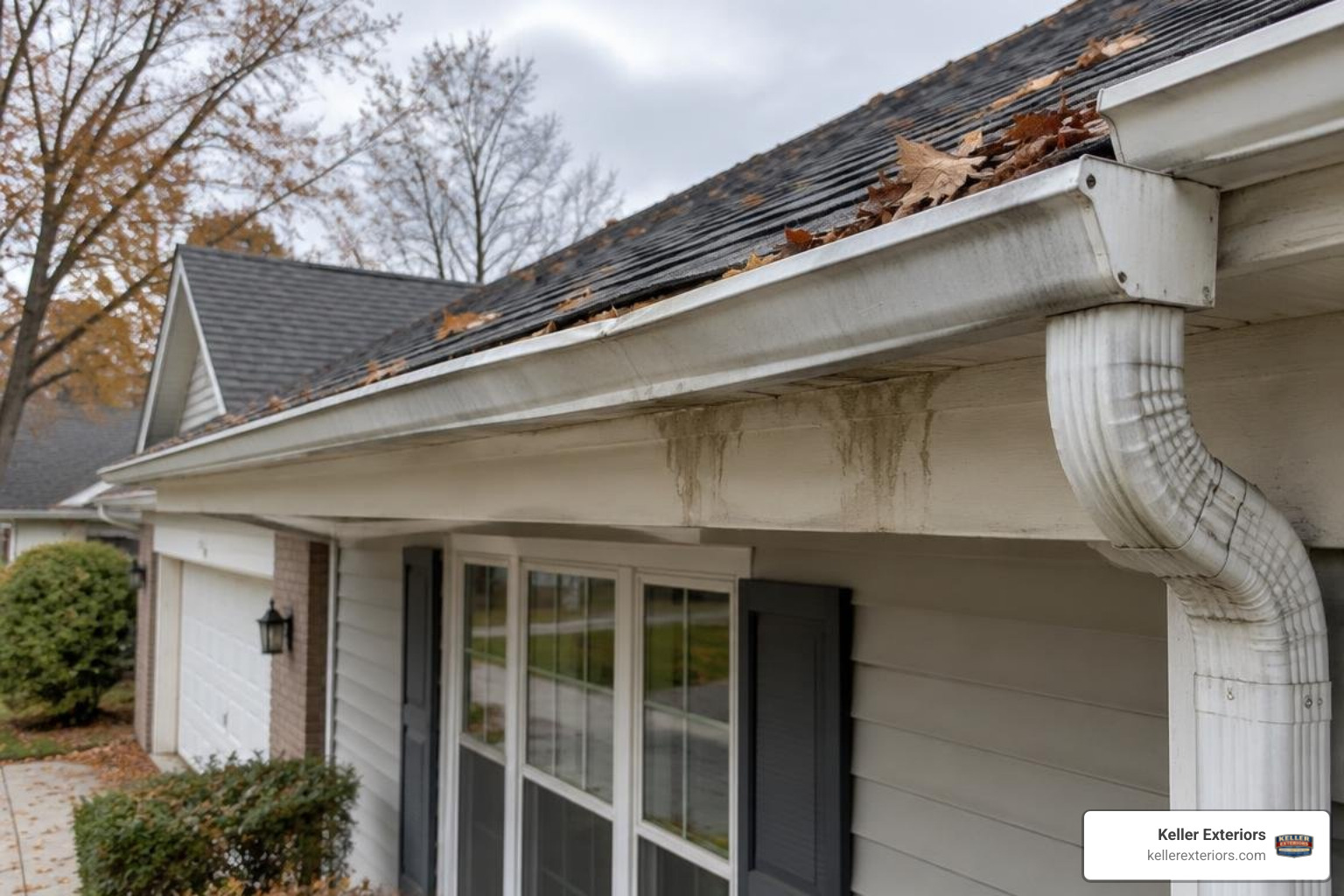
How to Spot Gutter Damage Before Winter
Check your gutters for six warning signs: sagging sections, leaking seams, loose fasteners, blocked downspouts, rust or cracks, and water stains behind the gutter. Clear debris first, then run water through the gutter to find leaks and spots where water pools. Small leaks or loose hangers may be repairable. If the gutter is pulling away from rotted wood or has damage in several places, have a professional inspect it before winter.
For more than 25 years, the Keller Exteriors team has handled home improvement and exterior work, including house gutter repair. These are the warning signs our team checks first.
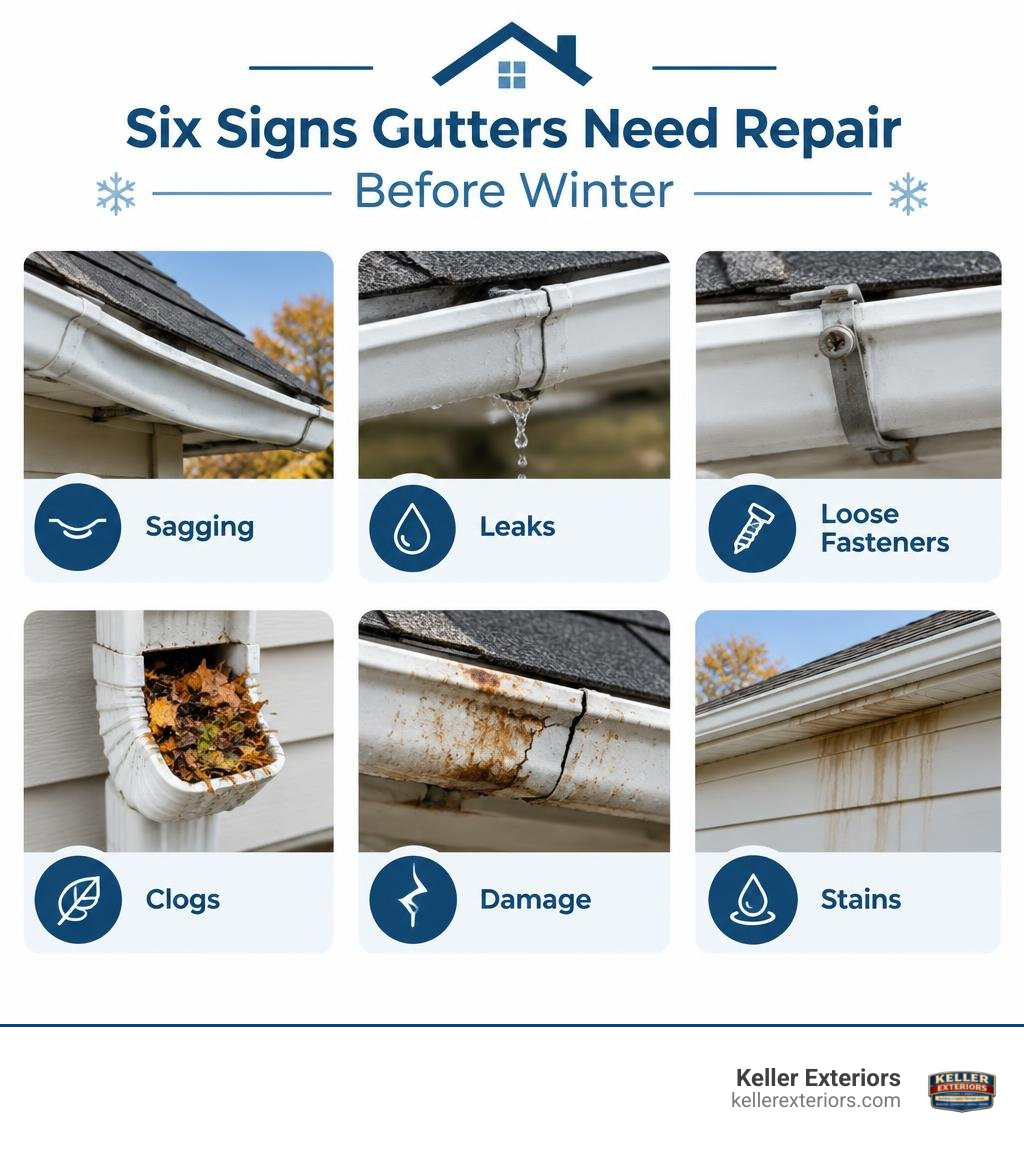
6 Warning Signs Your Gutters Need Immediate Attention
Clogged, misaligned, or fractured channels fail quietly until autumn storms arrive. When rainwater cannot flow freely through your roof drainage system, it spills directly over the edges. This uncontrolled overflow leads to ground erosion, cracked foundations, peeling siding paint, and decayed roof eaves.
During colder months, water left standing in broken troughs freezes into heavy ice blocks. This extra weight strains roof edges and damages the structural perimeter of your property. Identifying subtle failure indicators before winter weather arrives is the most reliable way to avoid major home structural issues.
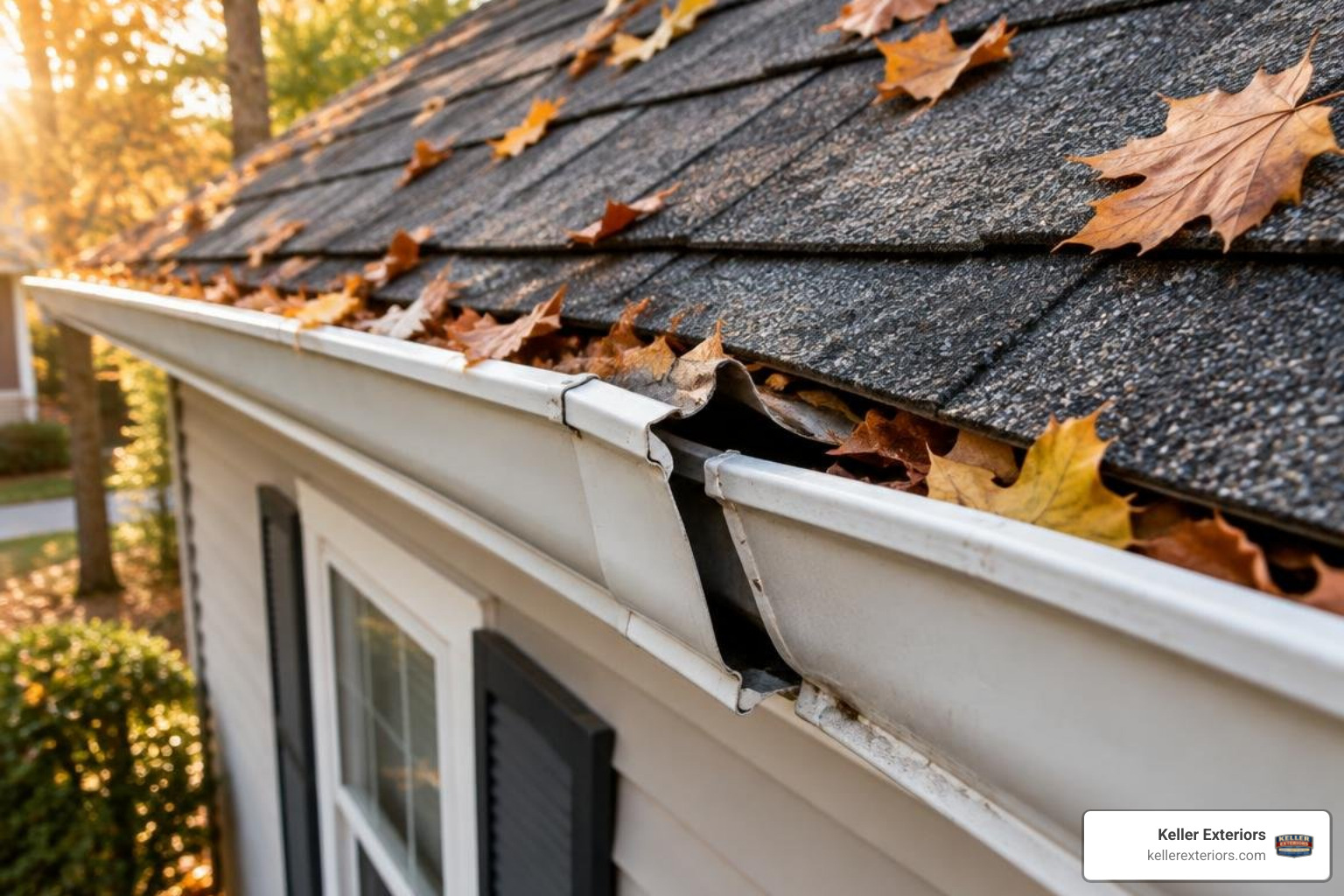
Sagging Sections and Pitch Alignment Issues
Rain gutters rely on gravity to direct water toward downspouts. A properly aligned trough drops roughly one-quarter inch for every ten feet of horizontal run toward the drainage outlet. When brackets loosen, or when heavy wet leaves accumulate, individual sections begin to bow downward.
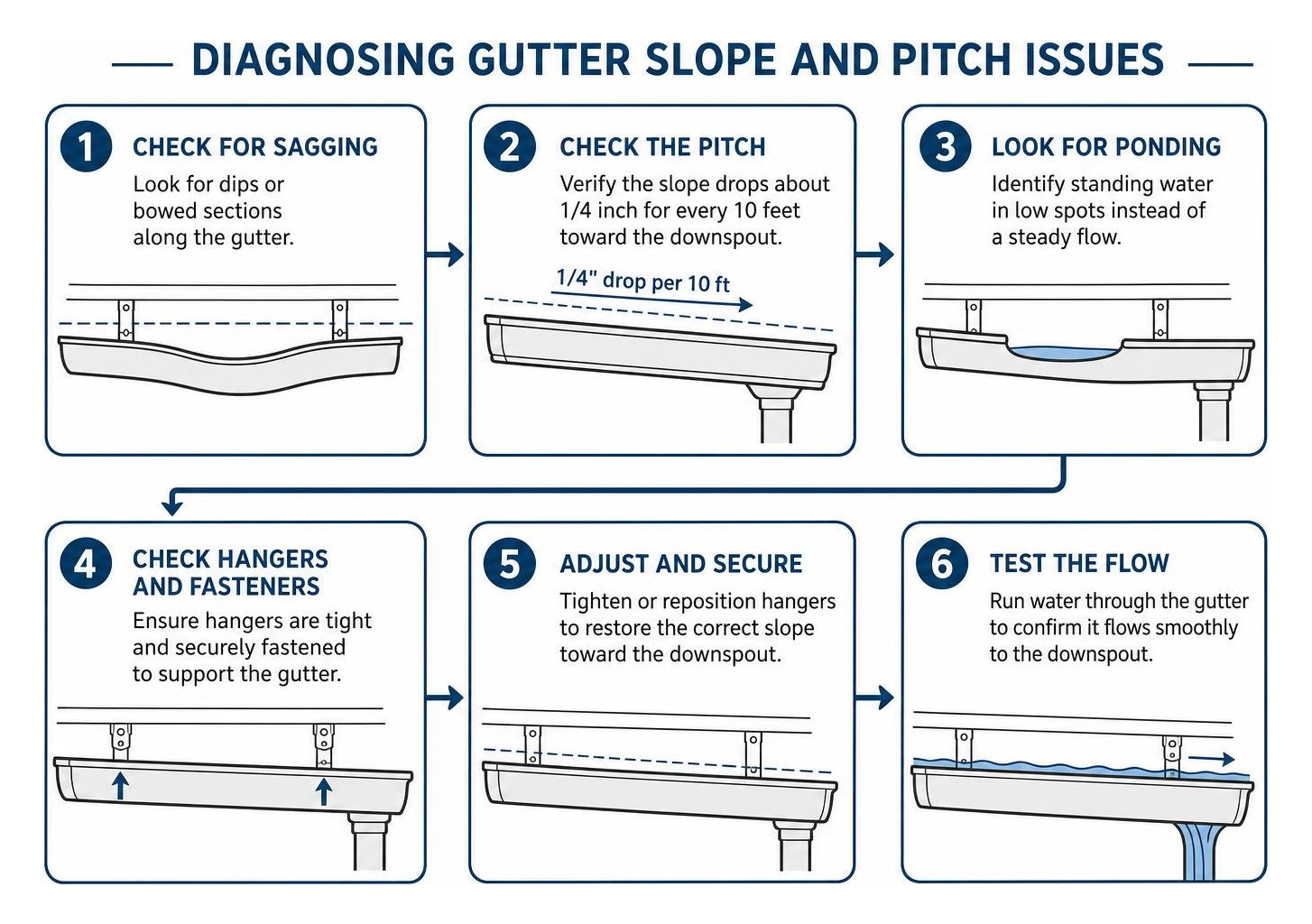
This dip creates areas where stagnant water sits instead of draining. In sub-freezing temperatures, standing pools turn into solid ice, bending the metal out of shape and pulling hangers away from the wood. Adjusting the slope and securing modern hidden hangers restores the correct pitch and keeps water moving.
Leaking Seams and Corner Joint Separation
Sectional troughs expand in summer heat and contract during winter freezes. Over several seasons, this constant shifting stresses the sealants applied to corner miters and connection joints.
Once the sealant cracks, water drips continuously through the base seams. Homeowners can learn how to fix leaking gutter seams fast using high-grade, flexible polyurethane exterior sealants rather than standard silicone caulk, which often tears when temperatures fluctuate.
Detached Fasteners and Loose Spikes
Older drainage systems frequently rely on long spike-and-ferrule fasteners driven straight into the eaves. Over time, the constant weight of water and debris pulls these spikes loose from the underlying wood.
If you notice screw heads or metal spikes protruding from your gutter line, the trough has lost its mechanical support. Leaving these loose fasteners unaddressed causes the channel to detach completely during winter storms. In many cases, you may also need to understand how to repair damaged gutter fascia with solid wood backing and heavy-duty structural screws driven straight into rafter tails.
Downspout Blockages and Joint Separation
Downspouts serve as the vertical escape path for all the water gathered along your roof edge. When leaves, twigs, and roofing granules pack tightly into elbow joints, water backs up across the entire horizontal system.
Heavy trapped water easily separates elbow joints and downspout extensions. When water discharges right beside your basement walls or crawlspace instead of draining safely through designated pipes, soil saturates quickly and places excessive pressure on foundation footings.
Rust, Cracking, and Metal Degradation
Older galvanized steel gutters eventually lose their protective zinc coating, leading to orange rust spots, thinning metal walls, and pinhole leaks. Aluminum channels do not rust like steel, but they can still develop hairline fractures around corners, end caps, and drop outlets from metal fatigue. Replacing severely corroded sections can address ongoing rust concerns and improve long-term weather protection.
Water Damage Behind Fascia and Soffits
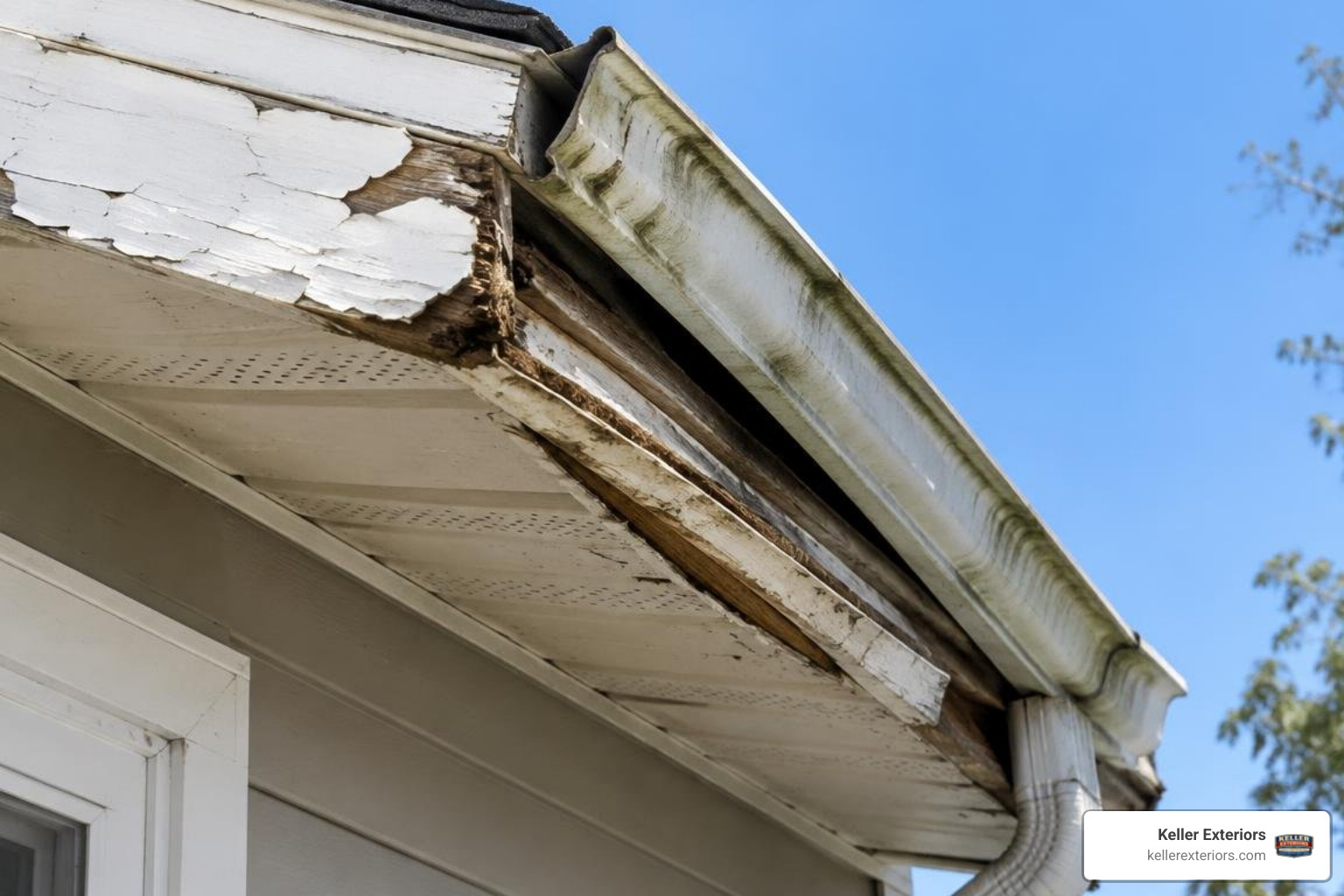
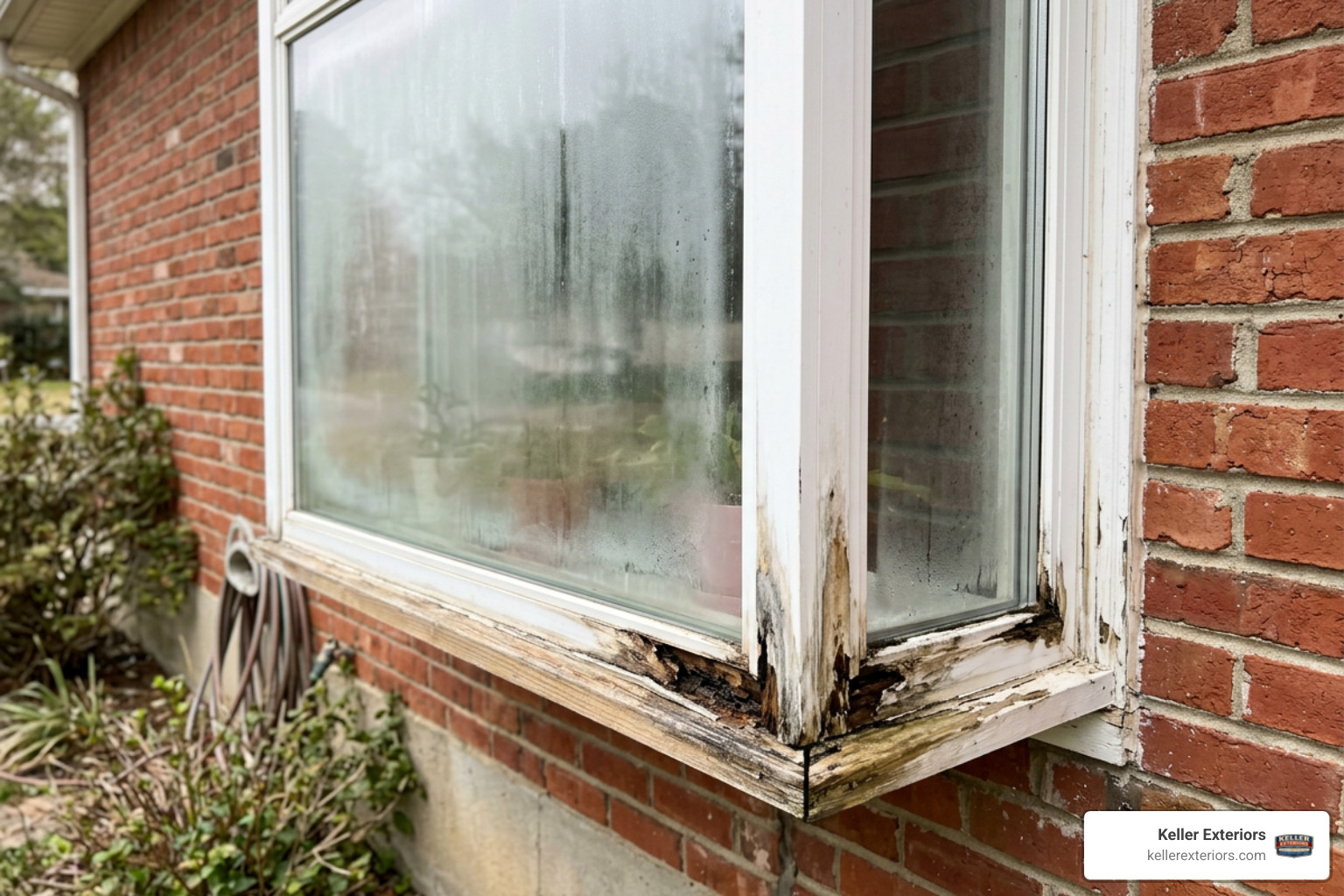
Water stains, dark mold patches, and peeling paint along your soffit panels usually point to hidden leaks behind the gutter channel. When roof shingles lack a drip edge, or when kick-out flashing is missing where walls intersect rooflines, surface water wicks directly behind the metal trough. This hidden moisture rots the wooden fascia board, ruins attic insulation, and invites carpenter ants or rodents into the eaves.
DIY vs. Professional House Gutter Repair Solutions
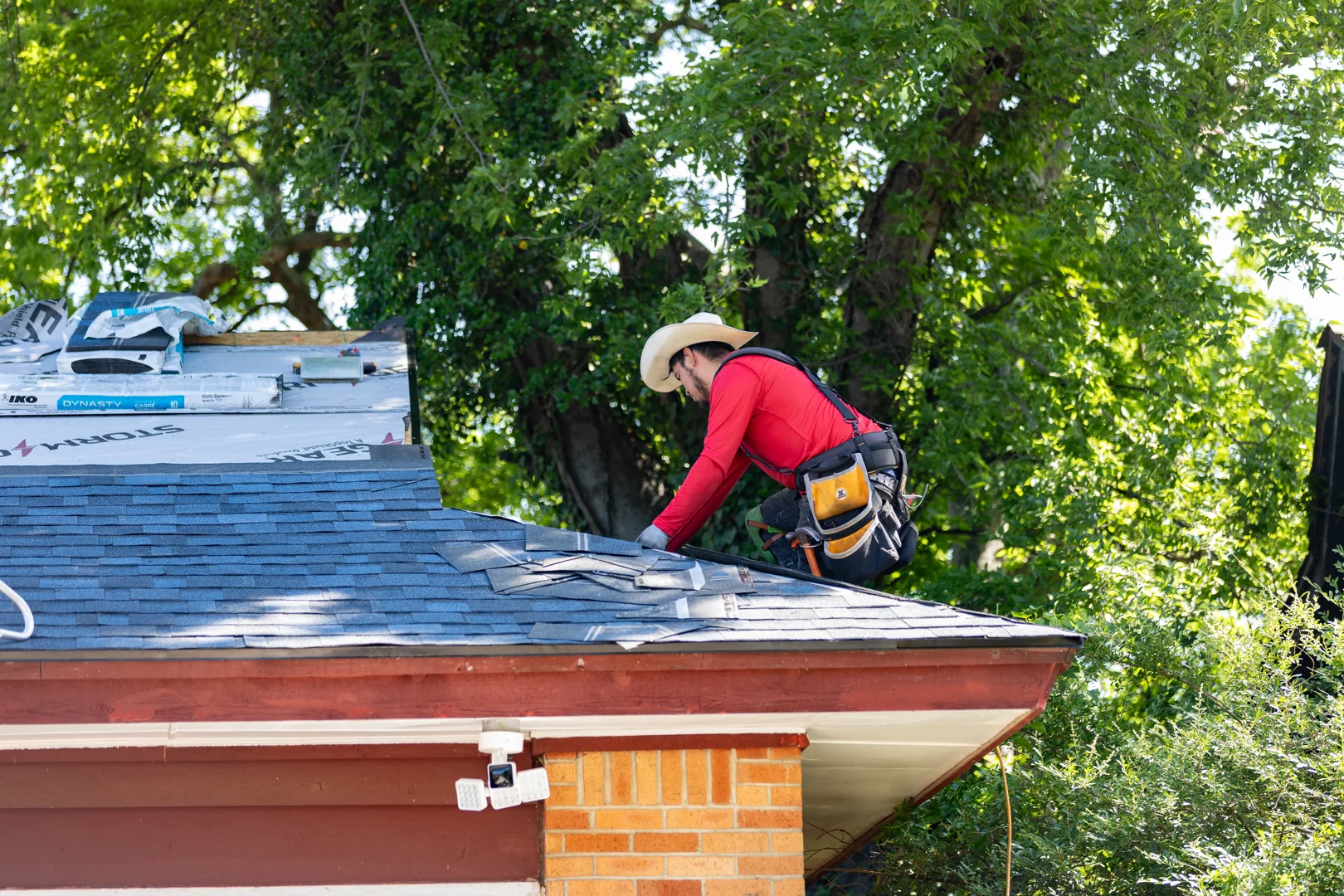
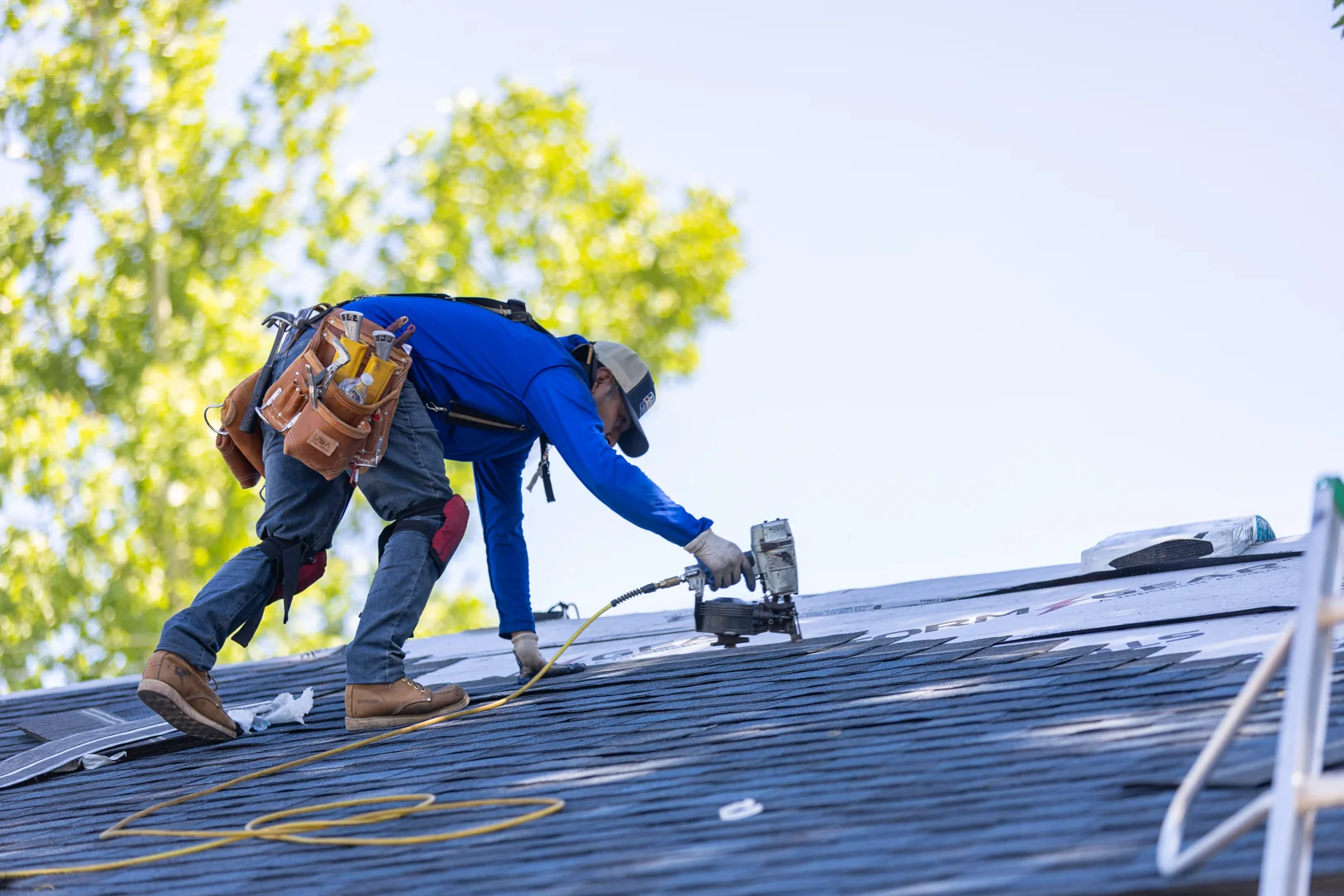
Managing gutter maintenance involves working on tall ladders while handling sharp sheet metal, fasteners, and heavy components. Following OSHA ladder safety guidelines is critical when inspecting rooflines. Simple fixes, such as scooping out loose leaves or resealing an easily reachable corner joint, are manageable DIY tasks for handy property owners.
However, widespread detachment, multi-story rooflines, structural wood decay, and complete slope realignment call for experienced specialists. Professional teams have specialized safety harnesses, commercial staging tools, and the experience needed to resolve hidden structural rot correctly. Scheduling timely gutter repair protects you from ladder falls while ensuring your home drainage system performs as intended.
Tools and Materials for Quick Fixes
For homeowners tackling basic repairs, having the right gear ensures the job is done safely and correctly:
- Sturdy extension ladder with a stabilizer standoff bracket
- Cordless drill and impact driver with magnetic hex bits
- Heavy-duty work gloves and impact-resistant safety glasses
- Sheet metal aviation snips and a pop-rivet tool
- High-grade elastomeric or polyurethane gutter sealant
- Heavy-duty hidden screw hangers
- Aluminum patch kit for small punctures
Step-by-Step Fixes for Common Gutter Issues
Executing minor repairs methodically prevents recurring leaks and avoids damaging the surrounding sheet metal. Follow these clear steps to resolve basic problems:
- Clear and Wash the Problem Area: Scrape out all compacted muck, leaves, and dirt from the damaged section. Scrub the metal with a stiff wire brush and wipe it down with rubbing alcohol so the patch adheres cleanly.
- Reseal Leaking Seams: Apply a continuous, generous bead of polyurethane sealant along the inside joint seam. Smooth the material across the joint using a putty knife to ensure full surface coverage.
- Patch Small Holes: Cut an aluminum patch roughly one inch wider than the damaged area. Coat the underside with gutter sealant, press the metal firmly over the hole, and seal all exposed edges.
- Replace Weakened Fasteners: Remove failed spikes or loose clips. Drive new hidden hangers with integral screws through the gutter backboard and deep into the solid rafter tails behind the fascia.
- Realign the Drainage Pitch: Loosen brackets along sagging runs. Snap a chalk line with the correct downward slope toward the downspout, lift the gutter trough to match the line, and secure the new hangers.
- Test Water Flow: Run a garden hose at the highest point of the channel to confirm water flows smoothly toward the downspouts without pooling or dripping from joints.
Why Timely House Gutter Repair Prevents Winter Ice Dams
When snow covers your roof, heat rising from the attic melts the bottom layer of snow. This melted water runs down the roof slope until it reaches cold, unheated eaves and gutters.
If your drainage channels are filled with trapped debris, sag out of alignment, or hold standing pools, this run-off refreezes into thick ice dams. Ice dams trap water behind roof shingles, forcing moisture under the roof deck and into living spaces. Keeping your troughs clean, properly sloped, and sealed allows melting snow to exit your roofline before it can freeze into heavy blockages.
Repair vs. Replacement: Making the Right Investment
Deciding whether to patch existing components or replace the whole system comes down to the extent of damage, the age of the materials, and overall costs. Minor issues on a newer system, like isolated seam leaks or a few loose brackets, are easily fixed with standard repairs.
However, if you notice widespread rust, multiple sagging spans, or rotted fascia across the entire perimeter, ongoing repairs only delay an inevitable complete failure. A helpful rule of thumb: if the total cost of required repairs exceeds half the price of a brand-new installation, opting for a complete gutter replacement is the smarter financial move.
| Gutter Health Factor | Minor Gutter Repair | Complete Gutter Replacement |
|---|---|---|
| Primary System Age | Under 10 to 15 years old | 20+ years old (galvanized/aluminum) |
| Damage Distribution | Isolated to 1–2 joints or sections | Widespread across multiple elevations |
| Fascia Board Condition | Solid, dry, and structurally sound | Extensive wood rot and soft spots |
| Seam Integrity | Minor sealant cracking at corners | Splitting, tearing, or warped metal |
| Expected Added Lifespan | 5 to 10 additional years | 20 to 50+ years of new service life |
Cost Factors Influencing House Gutter Repair
Several variables influence overall repair costs:
- Total linear footage of the damaged channel
- Building height, roof pitch, and ladder access challenges
- Hidden fascia, soffit, or rafter tail rot requiring carpentry
- Gutter material composition, ranging from aluminum to copper
- Emergency work required during freezing weather
When to Upgrade to Seamless Gutters
Older sectional systems have multiple joints every ten feet, and each joint is a potential leak location as sealants break down over time. Upgrading to custom-formed seamless gutters eliminates these weak mid-span seams entirely.
Continuous aluminum troughs are fabricated on-site to match the exact dimensions of your roofline, reducing maintenance needs and lowering the risk of water damage. For distinct architectural styles, exploring options for copper gutters can help you weigh copper’s fifty-year lifespan against its initial installation investment.
How Climate and Freeze-Thaw Cycles Accelerate Gutter Damage
Freezing winter weather and severe storms test the limits of residential exterior drainage systems. In areas subject to sharp seasonal swings, warm afternoons give way to below-freezing nights.
This cycle causes trapped moisture in your gutters to expand and contract repeatedly. The expanding ice pushes against the metal walls, pops sealed seams apart, and pulls fasteners straight out of the roofline. According to U.S. Department of Energy guidance on sealed eaves, heat escaping through the roof can melt snow that then refreezes at the colder eaves, so keeping gutters clear and properly sloped is an important part of preventing this kind of damage.
Preparing Gutters for Sub-Zero Temperatures
Pre-winter maintenance prevents freeze-thaw damage before sub-zero temperatures arrive. Schedule a thorough fall cleaning after surrounding deciduous trees drop their foliage.
Flush downspout lines completely with a garden hose to confirm lower lines are open and clear. For ongoing seasonal advice and roofline care tips, follow regular maintenance schedules to keep your drainage system working smoothly year-round.
Special Considerations for Winter Gutter Repairs
Completing gutter repairs in freezing weather requires specific adjustments. Standard exterior caulks turn stiff and fail to bond to cold, damp surfaces. Technicians must use specialized, low-temperature elastomeric compounds engineered to cure in freezing conditions.
Cold temperatures also make aged aluminum and vinyl brittle, requiring extra care during adjustments to avoid cracking. When extreme winter weather causes sudden failures, installing temporary braces stabilizes the system until comprehensive repairs can be safely completed in milder spring weather.
Frequently Asked Questions About Gutter Maintenance
How much does professional gutter repair cost?
Repair costs depend on the severity of the damage, the height of the home, the materials involved, and whether the fascia board behind the system needs structural carpentry work. Simple adjustments, like resealing a corner seam or securing a few loose hangers, cost significantly less than rebuilding sagging runs or repairing rotted wood. Requesting an on-site professional estimate gives you an accurate assessment tailored to your roofline.
Can you safely repair gutters during the winter?
Yes, urgent repairs can be completed in winter to prevent active water leaks and foundation damage. Professionals use cold-weather sealants and specialized fasteners to secure loose components and repair damaged joints. When severe icing occurs, technicians focus on safely removing ice dams and stabilizing the system until full seasonal maintenance can be performed.
How often should home gutters be inspected and cleaned?
Homeowners should inspect and clear their roof drainage systems at least twice a year: once in late spring to remove pollen tassels, seeds, and twigs, and once in late autumn after trees drop their leaves. Homes surrounded by mature pine trees, oaks, or heavy tree canopies may require additional cleanings to prevent clogs.
What are the main causes of sagging gutters?
Sagging gutters are usually caused by heavy debris buildup, standing water, ice weight, or loose brackets. When fasteners are spaced too far apart or driven into rotted wood, the trough bends under the load. Replacing old brackets with heavy-duty hidden hangers spaced every 24 inches into solid rafters restores structural support.
What is the best pitch for a residential gutter?
Gutters should slope downward toward the downspouts at a rate of one-quarter inch for every ten feet of horizontal run. This gentle angle keeps water moving steadily toward outlets without letting debris settle in the trough, while keeping the gutter level enough to preserve your home’s roofline appearance.
How do I know if my fascia boards are rotted behind the gutters?
Signs of rotted fascia include loose gutter spikes that pull out easily, peeling paint along the roof overhang, visible water stains under the soffit panels, and soft, spongy wood around fastener holes. If you can move the gutter channel back and forth by hand, the wood behind it has likely deteriorated and needs to be replaced.
Are seamless gutters better than sectional gutters?
Seamless gutters outperform sectional units because they are custom-cut from single coils of metal to match your roofline dimensions. By eliminating joints along the horizontal spans, seamless channels remove the primary areas where clogs snag, sealants fail, and leaks develop.
What happens if I ignore leaking gutter joints?
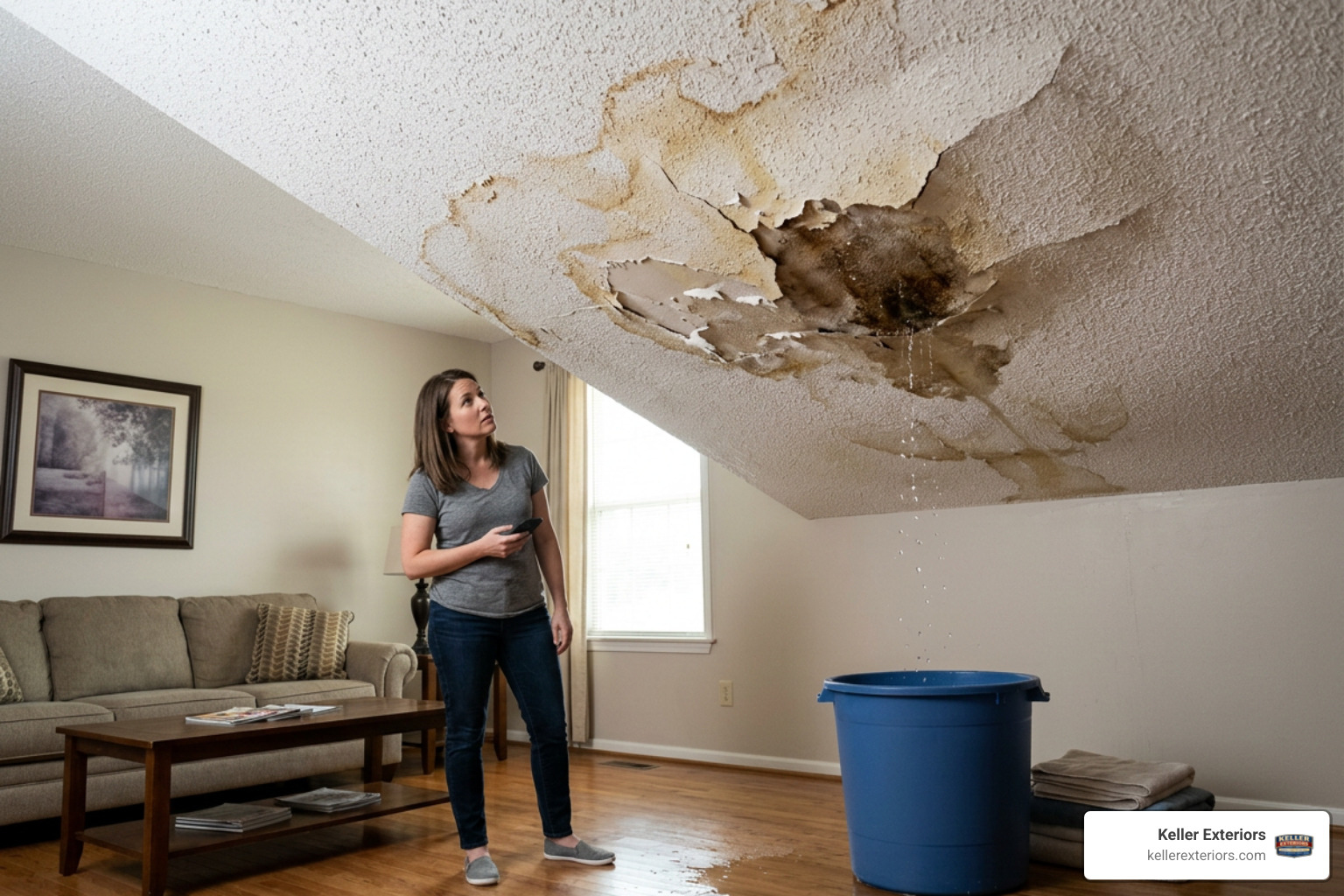
Ignoring leaking seams allows water to drip directly alongside your foundation walls, leading to soil erosion, wet basements, and cracked concrete slabs. The moisture can also splash back onto exterior siding and wick up behind the eaves, causing costly wood rot, interior drywall stains, and toxic mold growth inside attic spaces.
Can gutter guards eliminate the need for cleaning and repairs?
High-quality micro-mesh gutter guards significantly reduce how often you need to clean your gutters by blocking leaves, pine needles, and roof grit while letting water pass through freely. While guards do not completely eliminate the need for routine visual inspections, they prevent the heavy blockages that cause seam failures and sagging brackets.
When should I choose full replacement over gutter repairs?
Full replacement is the better choice when your system is over twenty years old, shows extensive rust, or has multiple sagging, warped sections across several sides of the house. Replacing the entire system is also recommended if the gutters pull away from rotted fascia along most of the roofline, making reliable repairs impractical.
Protecting Your Home Exterior with Professional Gutter Services
Properly maintained gutters safeguard your roofline, exterior siding, and concrete foundation from costly moisture damage. Identifying early warning signs such as sagging runs, separated corner joints, and detached fasteners gives you time to fix small issues before harsh winter freezes turn them into structural problems. Whether you need isolated seam repairs, fascia restoration, or a complete upgrade to seamless aluminum channels, quality workmanship protects your home year-round.
Keller Exteriors delivers durable exterior solutions that protect your property through every season. Our experienced specialists provide comprehensive assessments and high-quality repairs backed by decades of proven service. Prepare your home for upcoming seasonal storms when you contact our professional gutter repair technicians today.