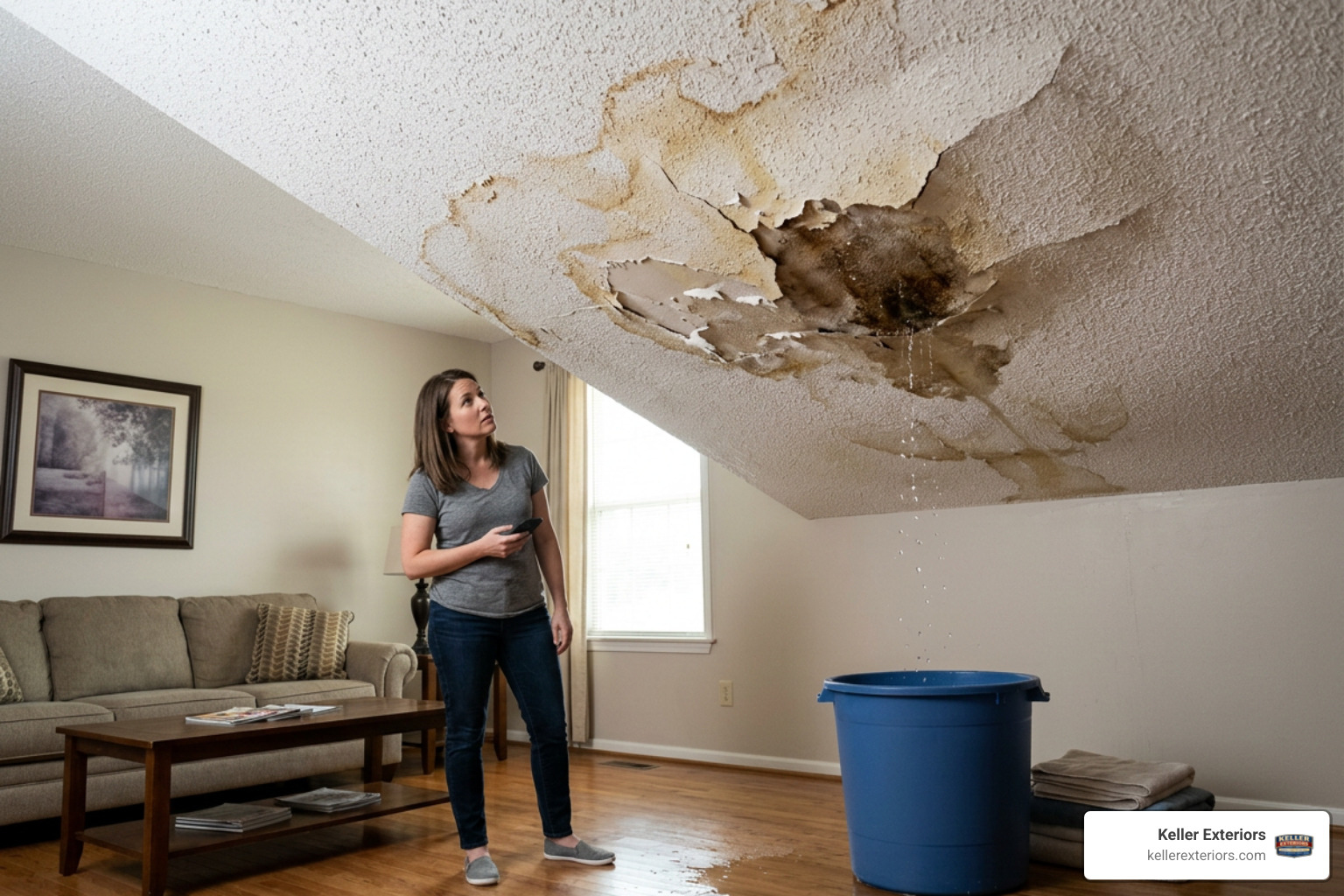
When Ceiling Water Damage Strikes in Bixby, OK, Act Fast
If you’re dealing with ceiling water in Bixby, OK, take these steps right away:
- Stop the source. Shut off your water main if you suspect a plumbing leak, or call a qualified professional if you cannot find the source.
- Stay safe. Turn off power to affected rooms at the breaker box if water is near lights, fans, outlets, or other electrical equipment.
- Document the damage. Take photos and video before moving damaged materials.
- Protect the space. Move belongings, place a container under active drips, and keep people away from sagging drywall.
- Call a professional. Arrange an inspection to identify the source and prevent further damage.
A water stain spreading across a living room ceiling is not a problem to ignore. What begins as a faint yellow ring can become sagging drywall, hidden mold, or damaged framing if moisture remains in place.
Bixby, OK homeowners may see ceiling moisture after heavy rain, plumbing failures, clogged gutters, or attic condensation. The cause is not always obvious, and each source needs a different repair.
Our team at Keller Exteriors helps homeowners identify exterior conditions that can allow water into the home, including damaged shingles, failing gutters, and compromised flashing. This guide explains how to spot the warning signs, respond safely, and reduce the risk of future damage.

Common Causes of Ceiling Water Damage in Bixby, OK
Ceiling leaks rarely happen without an underlying cause. Identifying that cause helps you fix the problem instead of simply covering a stain or patching drywall.
Roof Leaks and Storm Damage
High winds, heavy rain, and hail can loosen shingles, crack pipe flashing, or damage underlayment. Once the roof system is compromised, water can travel along rafters, collect above the ceiling, and eventually enter the living space.
If you suspect storm damage, a timely roof inspection from our team can help identify missing shingles, damaged flashing, and other exterior entry points before the next storm.
Homeowners who want to understand the first signs of a roof leak can use the practical steps in our roof leak troubleshooting article to check safe, visible areas before scheduling professional repairs.
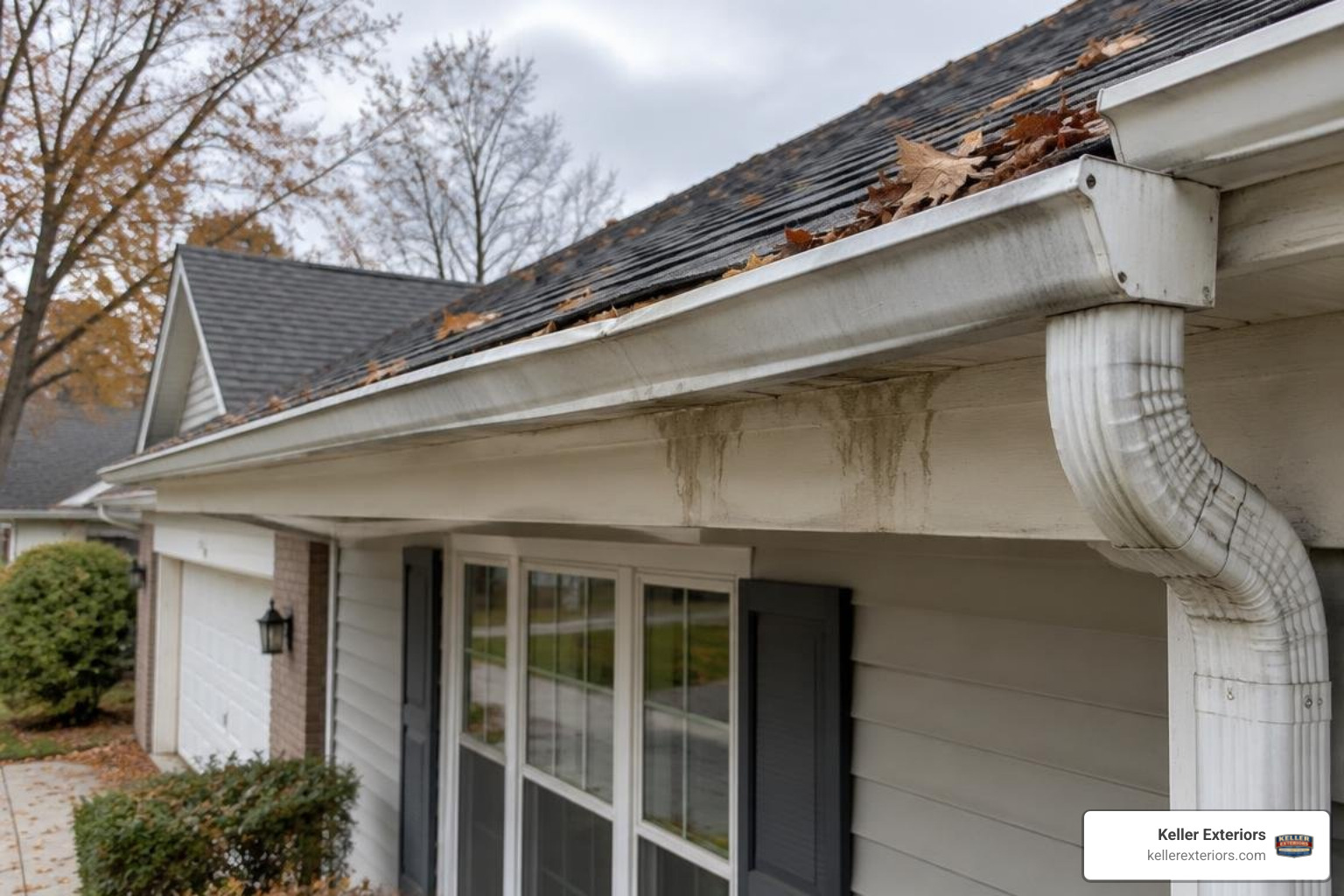
Clogged and Overflowing Gutters
Gutters direct rainwater away from the roofline and foundation. When leaves, twigs, and debris block that path, water can overflow beneath shingles, wet fascia boards, and enter soffit areas. Moisture can then migrate into the attic and leave stains near exterior walls.
Properly sized seamless gutter systems help move water away from vulnerable roof edges and reduce the chance of recurring overflow.
For more context on spotting gutter failures before they damage the roofline, our guide to leaking gutter seams explains why small gaps and backups deserve prompt attention.
Plumbing Failures and Aging Pipes
If ceiling water appears below an upstairs bathroom or laundry room, plumbing may be the source. Loose pipe joints, worn appliance hoses, and failing toilet seals can release water onto the subfloor, where it can saturate the ceiling below.
High Attic Humidity and Condensation
High humidity and poor attic ventilation can allow moisture to condense on cooler roof decking, ducts, or other surfaces. The resulting drips can resemble an active roof leak. A qualified professional can help distinguish condensation from a roofing issue and recommend the right repair.
Early Warning Signs of Ceiling Water in Bixby, OK
You do not have to wait for water to drip onto the floor to know there is a problem. Catching early signs of ceiling water in Bixby, OK can limit damage and help prevent mold growth.
Keep an eye out for these common indicators:
- Discolored patches: Faint yellow, brown, or dark rings that grow after rainfall or plumbing use.
- Sagging or bubbling drywall: Bowing drywall or blistered paint can mean water is collecting above the ceiling.
- Peeling paint or wallpaper: Moisture can weaken the bond between the finish and drywall.
- Musty odors: A persistent earthy smell can point to moisture in insulation or wall cavities.
- Visible mold growth: Black, green, or gray spots on ceilings or upper walls indicate a long-term moisture issue that needs prompt attention.
How Plumbing Conditions Can Affect Ceiling Moisture
Not every ceiling leak starts at the roof. Plumbing conditions above a ceiling can create hidden moisture that looks very similar to storm damage.
Mineral buildup, worn pipe connections, aging appliance hoses, and loose seals can all contribute to small leaks. Because these leaks may stay hidden for a long time, homeowners often first notice a stain, a musty odor, or soft drywall below the affected area.
If the problem appears below a bathroom, laundry room, or kitchen, note whether it worsens when fixtures or appliances are in use. That pattern can help a qualified professional narrow down the source.
Avoid opening walls, disconnecting plumbing, or working around wet electrical components unless you have the training and tools to do so safely. A professional assessment can help prevent a small leak from turning into a larger repair.
Emergency Action Plan for Ceiling Water in Bixby, OK
When water is actively dripping from the ceiling, take calm, methodical steps to limit damage and protect everyone in the home.
1. Locate and Shut Off the Water Source
If the leak is continuous and not tied to rainfall, it may be a plumbing issue. Shut off the main water valve if you can do so safely. The valve is often located in a utility room, garage, or ground box near the property line.
2. Address Electrical Hazards
Water and electricity are dangerous together. If water is near light fixtures, ceiling fans, outlets, HVAC equipment, or wiring, do not touch those items. Turn off power to the affected room at the main electrical panel if it is safe to reach it.
3. Contain the Water
Place a sturdy bucket or plastic container beneath the drip. Put a towel in the bottom to reduce splashing, and move furniture, rugs, electronics, and valuables away from the area.
4. Handle Sagging Drywall Carefully
A large bulge in ceiling drywall may contain pooled water and can collapse without warning. Keep people out of the area and contact a qualified restoration or repair professional. Do not attempt to drain or cut into the ceiling if electrical fixtures, wiring, or other hazards may be present.
5. Document the Damage
Take clear photos and videos of the stain, active drip, and damaged belongings before cleanup. This documentation may help with an insurance claim.
Professional Solutions for Ceiling Water in Bixby, OK
After the immediate hazard is under control, a professional should identify the source of the water before cosmetic repairs begin. Drying or repainting the ceiling without fixing the entry point can lead to recurring damage.
A thorough repair plan may include leak detection, structural drying, moisture monitoring, mold evaluation when needed, and replacement of damaged ceiling materials. For exterior-related leaks, our team can inspect the roofline, gutters, flashing, and ventilation conditions that may be allowing water into the home.
Navigating Insurance Claims for Ceiling Water Damage
Filing an insurance claim for ceiling water damage can feel overwhelming, but organized documentation can make the process easier. Many homeowners policies may cover sudden, accidental events, such as a burst pipe or storm-related damage, while gradual damage from unresolved maintenance issues may be treated differently under the policy.
To navigate the claims process successfully, follow these steps:
- Review your policy: Check coverage limits, deductibles, and water-damage exclusions.
- Contact your insurer promptly: Report the damage as soon as possible and ask what documentation is needed.
- Provide detailed evidence: Share photos, videos, and notes from the emergency, and keep a record of conversations with insurance representatives.
- Obtain professional estimates: Request a detailed assessment from a qualified contractor so you understand the cause and required scope of repair.
- Keep damaged materials: Do not discard damaged belongings or removed materials until the insurer advises that it is appropriate to do so.
Preventive Maintenance and Gutter Care
The best way to handle ceiling water damage is to reduce the conditions that cause it. A consistent maintenance routine can reveal exterior issues before water reaches the ceiling.
Clean Your Gutters Seasonally
Keep gutters and downspouts clear of leaves, twigs, and debris so water can move away from the roofline. Most homes benefit from a spring and fall cleaning, while heavily wooded properties may need more frequent attention.
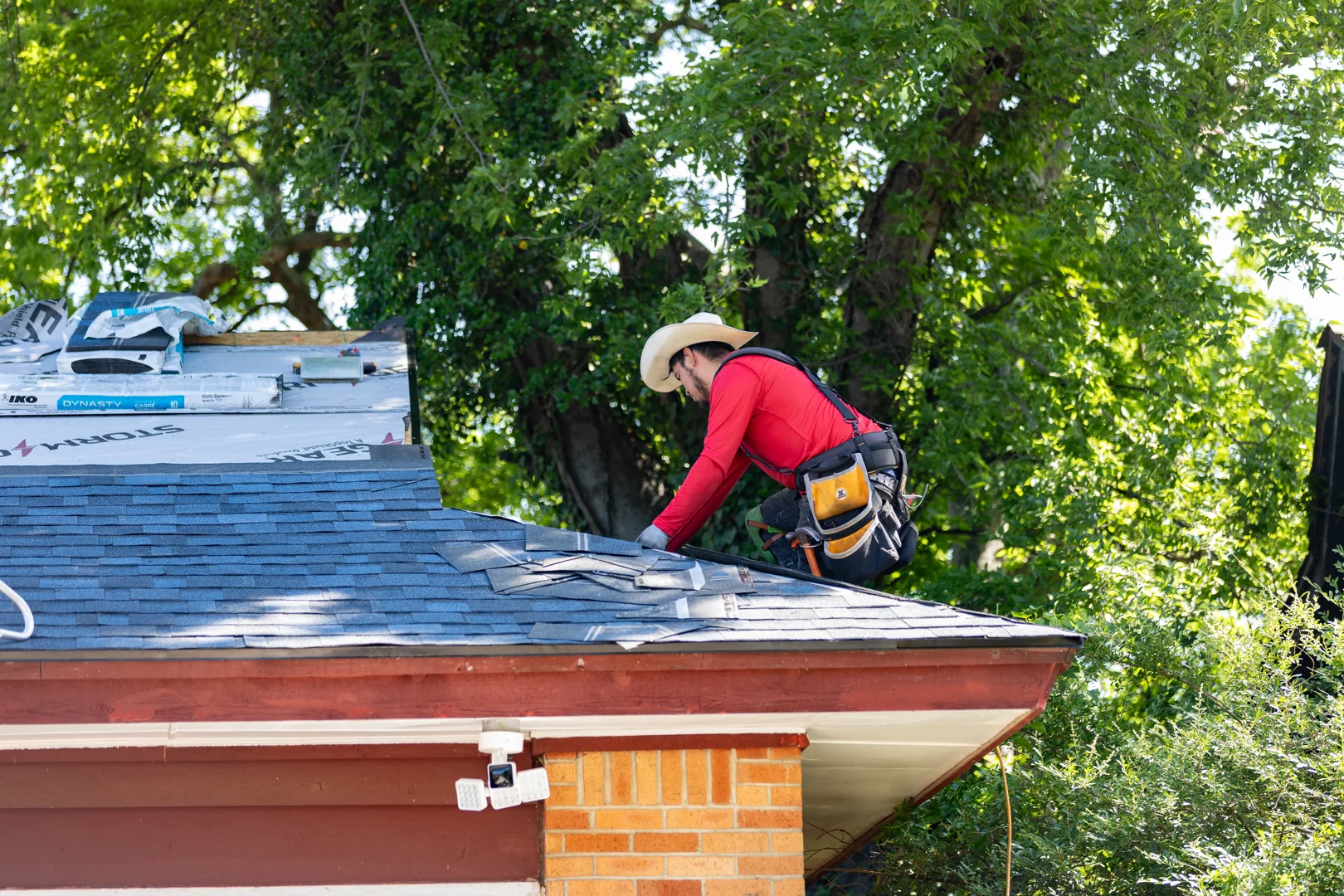
Schedule Annual Roof Inspections
Oklahoma heat, wind, and seasonal storms can wear down shingles, flashing, and pipe boots. An annual roof inspection can catch minor issues before they become active leaks.
Control Indoor Humidity
Keep indoor humidity at a moderate level, and make sure bathroom and kitchen exhaust fans vent outside rather than into the attic. Proper airflow helps reduce condensation on attic surfaces and HVAC ducts.
Invest in Quality Upgrades
Sagging, rusted, or frequently clogged gutters may no longer protect the roofline effectively. A professional gutter installation can improve drainage and help protect fascia boards, soffits, attic spaces, and ceilings from water intrusion.
Frequently Asked Questions About Ceiling Water Damage
What should I do immediately when my ceiling starts dripping?
If you suspect a plumbing leak, shut off the main water valve if it is safe to do so. Turn off electricity to affected rooms when water is near fixtures or wiring, place a container under the drip, document the damage, and contact a qualified professional.
How can I tell if a ceiling stain is from a roof leak or a plumbing leak?
A stain that grows during or after rain may point to a roof leak. Continuous dripping, or moisture that appears after an upstairs bathroom, laundry appliance, or kitchen fixture is used, may point to plumbing. A professional inspection can confirm the source.
How often should I clean my gutters in Bixby, OK?
Clean gutters at least twice a year, typically in spring and fall. If mature trees surround the home, inspect them more often to prevent clogs and water backups.
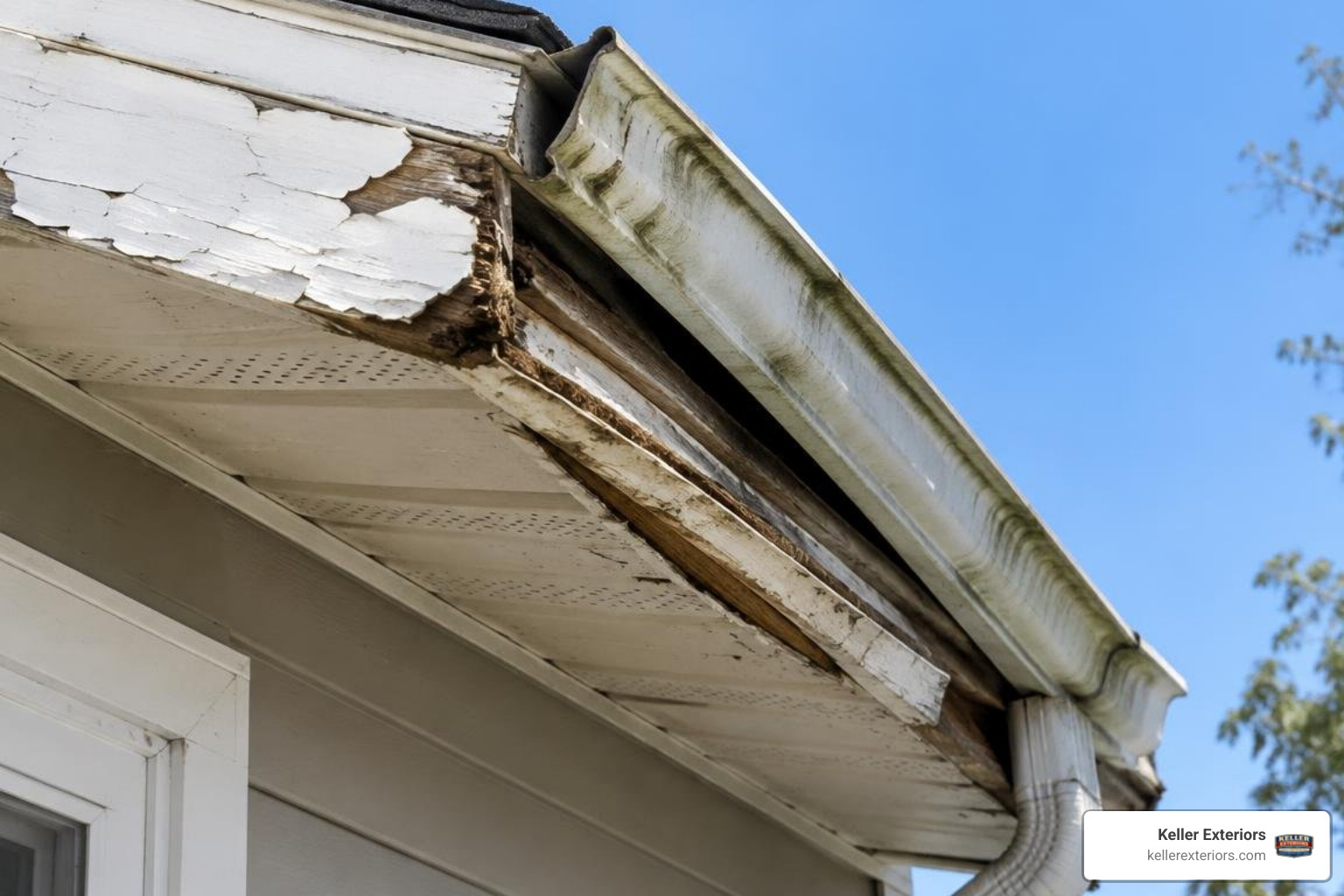
What are the early signs of wood rot near my roofline?
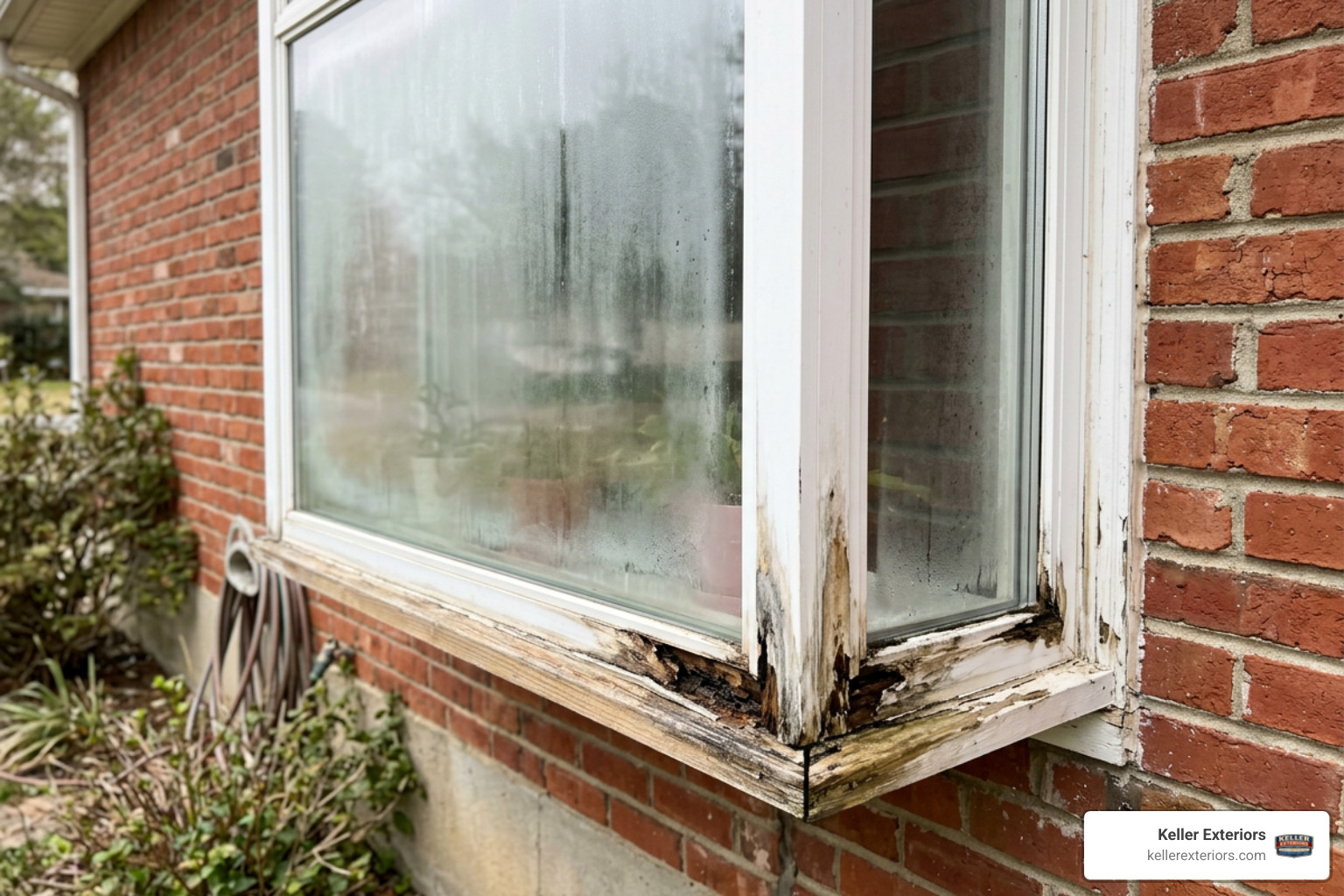
Watch for soft, spongy, or crumbling wood around fascia boards and soffits. Blistering paint, discoloration, and musty odors near the gutter line can also signal moisture damage.
Does homeowners insurance cover ceiling water damage?
Coverage depends on the policy and cause of loss. Sudden, accidental damage, such as a burst pipe or storm event, may be covered, while long-term damage caused by unresolved maintenance issues may be excluded. Review your policy and speak with your insurer.
How long does ceiling water damage restoration take?
The timeline depends on the source, the amount of moisture, and the materials affected. Drying and repairs may take several days for a smaller issue, while widespread damage can require a longer restoration process.
Who should I call for a water main leak in Bixby, OK?
For a suspected municipal water main leak, contact the City of Bixby through its current public works or water-service reporting channel. For water entering your home, contact the appropriate repair professional promptly.
Can high summer humidity cause ceiling moisture issues?
Yes. Poor attic ventilation can allow humid air to condense on cooler attic surfaces or HVAC ducts. The moisture may then drip onto insulation and ceiling drywall, creating stains that resemble a roof leak.
Can a ceiling leak lead to mold growth?
Yes. Mold can grow when moisture remains in drywall, insulation, or framing. Prompt drying and source repair are important, especially if you notice musty odors or visible growth.
Should I repair a water-stained ceiling myself?
Do not repair or repaint a stained ceiling until the source of the moisture is found and the area is fully dry. Professional help is especially important when there is electrical risk, sagging drywall, mold, roof damage, or plumbing work involved.
Protect Your Bixby, OK Home from Water Damage
Water damage can be stressful, but you do not have to sort through exterior repair concerns alone. Keeping the roof, gutters, siding, trim, and ventilation in good condition is one of the best ways to reduce the risk of future leaks.
Keller Exteriors brings more than 20 years of local exterior experience to homeowners across the Green Country area. If you need help identifying an exterior source of ceiling water damage, contact our professional roof and gutter specialists to schedule an inspection and protect your home from future water intrusion.