The Homeowner’s Guide to Asphalt Shingle Roofing Types
Asphalt shingle roofing is the most widely installed steep-slope roof covering in North America. It offers a practical balance of durability, weather protection, and visual flexibility for many homes.
If you’re trying to figure out which type of asphalt shingle is right for your home, here is a quick breakdown:
The three main types of asphalt shingles are:
- 3-Tab (Strip) Shingles: Single-layer, flat, and budget-conscious. They often last roughly 15 to 18 years.
- Architectural (Dimensional) Shingles: Multi-layer laminated construction with a textured, shadow-line appearance. They often last 24 to 30 years or longer.
- Luxury (Designer) Shingles: The heaviest and most realistic option, often made to resemble slate or cedar shake. They offer enhanced storm protection and curb appeal.
Each tier differs in weight, wind resistance, lifespan, and overall value. The right choice depends on your roof’s structure, your long-term plans, and the weather conditions in your area.
Asphalt shingles are also called composition or composite shingles because they are built from a fiberglass or cellulose mat, asphalt coating, and mineral granules bonded together. That combination provides fire resistance, water-shedding ability, and a wide range of color and style options.
More than 80 percent of all residential roofing installed in the United States uses asphalt roofing products, according to the Asphalt Roofing Manufacturers Association. That widespread use reflects how well this material works across different climates, home styles, and homeowner needs.
For more than 20 years, the Keller Exteriors team has helped homeowners across the Tulsa, OK, area evaluate roofing materials, address storm damage, and plan dependable roof replacements. This guide explains how to compare your options with confidence and choose the right shingle for your home.
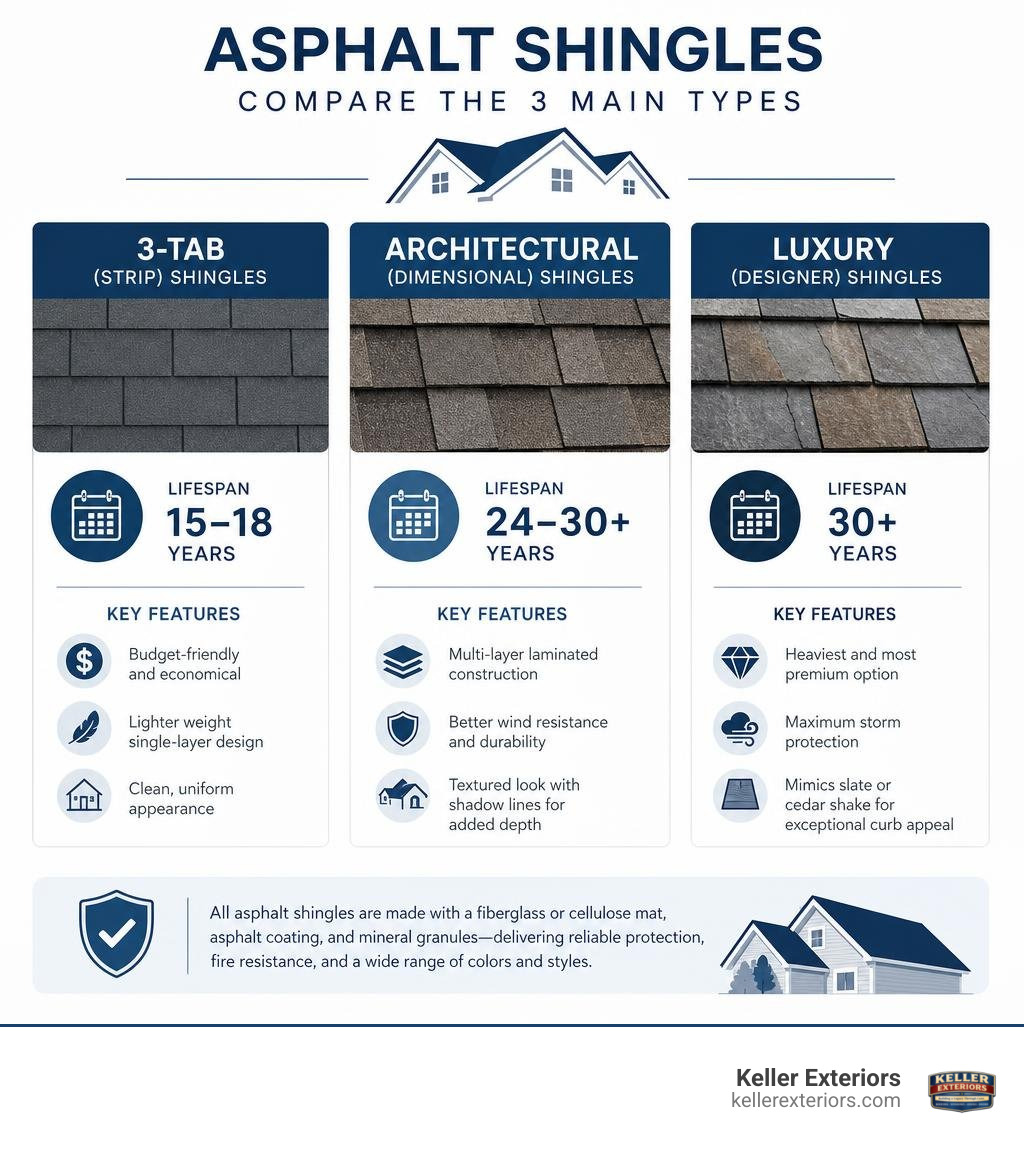
Comparing 3-Tab, Architectural, and Luxury Asphalt Shingle Roofing
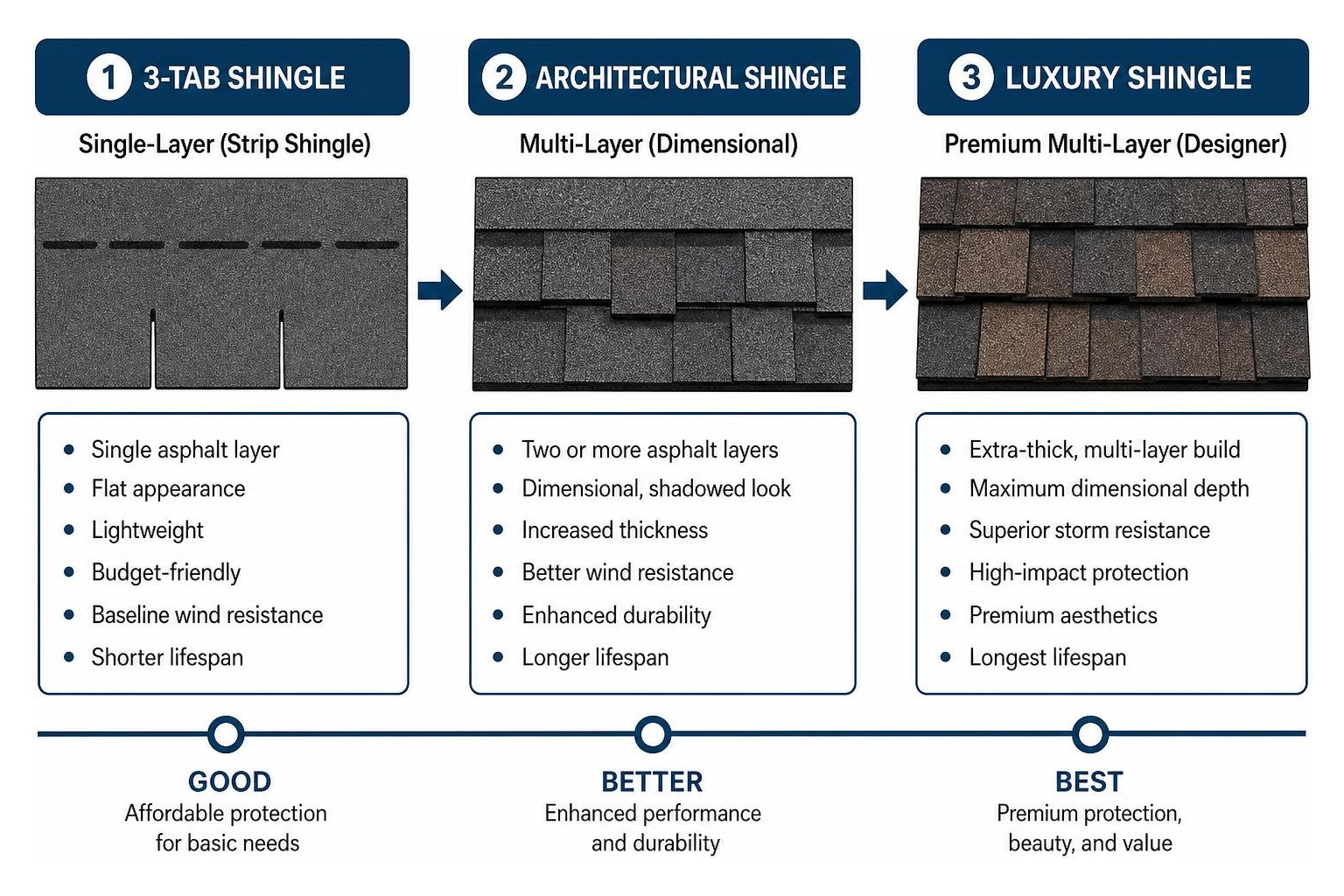
Selecting the best shingle category requires understanding how manufacturing changes affect roof performance. Shingles have evolved from simple single-layer strips into heavier, multi-layered protective systems.
Originally, single-layer strip shingles dominated the market. Manufacturers later introduced architectural and designer styles by laminating multiple layers of fiberglass and asphalt together. This construction adds dimensional depth while improving resistance to severe weather, wind uplift, and impact damage.
As you evaluate shingle categories, consider material weight, structural load capabilities, and long-term value for your property.
Characteristics of 3-Tab Asphalt Shingle Roofing
3-tab shingles, often called strip shingles, represent the original style of fiberglass roofing. Manufacturers form them from a single flat layer of asphalt-coated mat cut into three uniform tabs along the bottom edge.
These flat strip shingles offer a uniform grid appearance once installed. They are lightweight and straightforward for experienced crews to install on basic roof geometries. Because of their single-layer build, 3-tab shingles carry baseline wind-resistance ratings and typically need replacement sooner than thicker alternatives.
For starter homes, rental properties, or homeowners prioritizing a simpler roof system, 3-tab shingles can be a practical option. Homeowners comparing them with other residential roof systems can also see how a professional installation approach supports dependable long-term performance.
Performance Features of Architectural Asphalt Shingle Roofing
Architectural shingles, also known as dimensional or laminated shingles, represent the most popular choice for modern roof replacements. Manufacturers make dimensional shingles by permanently fusing two or more asphalt layers together.
This multi-layer construction produces distinct shadow lines that mimic traditional wood shake or slate roofing. Beyond visual appeal, the added thickness provides stronger resistance to blow-offs, severe winds, and weather degradation. Standard architectural shingles generally carry higher wind-speed warranties than single-layer shingles and often last 24 to 30 years or longer with routine care.
Because architectural shingles resist tearing and wind uplift effectively, they offer strong long-term protection against heavy spring and autumn storms in places like Broken Arrow, OK, and Owasso, OK.
Premium Aesthetics of Luxury Asphalt Shingle Options
Luxury or designer shingles stand at the top tier of asphalt shingle roofing. These high-end products use extra-thick, multi-layered construction to recreate the appearance of natural slate or cedar shake roofing.
Designer shingles provide substantial dimensional depth along with enhanced storm resistance. Their added weight can help them withstand high-wind events, hail strikes, and driving rain that may lift lighter products.
While luxury shingles are a premium material choice, they can dramatically improve curb appeal for homes across communities like Jenks, OK, and Bixby, OK.
Complete Multi-Layer Asphalt Roofing System Components
A lasting roof requires more than field shingles nailed to wood decking. A modern roof functions as an integrated, multi-layered system designed to divert water, protect vulnerable areas, and limit moisture accumulation inside the attic.
Every high-performing asphalt roof assembly relies on seven core component layers:
- Leak Barrier (Ice and Water Shield): Self-adhering membrane installed along vulnerable eave lines, valleys, flashing zones, and rakes to stop water back-up.
- Roof Deck Protection (Synthetic Underlayment): Water-resistant barrier laid across the structural wood deck to repel wind-driven rain.
- Starter Strip Shingles: Specially engineered adhesive-backed shingle strips laid along eaves and rakes to anchor edge shingles against severe wind uplift.
- Primary Field Shingles: 3-tab, architectural, or luxury shingles selected to provide primary weather protection and curb appeal.
- Hip and Ridge Cap Shingles: Pre-cut, heavy-duty shingles installed over roof peaks and ridges to seal structural joints.
- Attic Ventilation Systems: Ridge vents, soffit vents, and intake baffles working together to balance heat and moisture flow.
- Rooftop Accessories and Metal Flashing: Drip edge metals, pipe boots, step flashing, and wall flashings that prevent leaks at roof intersections.
A complete roof replacement gives installers the opportunity to assess the deck, flashing, ventilation, and water-shedding layers as one system, rather than treating shingles as a stand-alone surface. Our roof replacement services help homeowners make sure those components work together and support manufacturer requirements.
Balanced attic ventilation is especially important because trapped heat and moisture can shorten shingle life. Our article on improving attic airflow with roof vents explains why intake and exhaust ventilation need to work together.
| System Component | Primary Function | Primary Protection Benefit |
|---|---|---|
| Leak Barrier | Seals critical eave, rake, and valley seams | Prevents water penetration from ice dams and driving rain |
| Synthetic Underlayment | Secondary water-shedding layer over wood deck | Keeps structural decking dry if field shingles get damaged |
| Starter Strip Shingles | Secures edge perimeters with strong factory adhesive | Prevents wind uplift and shingle detachment along roof edges |
| Field Shingles | Main visible weather barrier | Sheds water, blocks UV rays, and delivers aesthetic style |
| Hip and Ridge Caps | Seals high-stress roof peaks | Protects ridge ventilation gaps and peak structural seams |
| Attic Vents | Regulates thermal and moisture transfer | Helps prevent ice dams, lowers summer cooling loads, and limits mold risk |
Lifespan, Durability, and Special Protection Features
The actual lifespan of an asphalt shingle roof depends on environmental conditions, installation quality, attic ventilation, and material design. On average, standard 3-tab roofs last 15 to 18 years, while dimensional architectural shingles remain functional for 24 to 30 years or more. High-end luxury shingles can perform reliably for more than 30 years with proper maintenance.
Environmental stress factors like intense heat, rapid temperature changes, high humidity, and direct ultraviolet rays gradually break down asphalt binders over time. Solar radiation can cause volatile oils in the asphalt to evaporate, making older shingles brittle and leading to granule loss.
To combat environmental wear, modern manufacturers engineer specialized performance ratings:
- UL 790 Class A Fire Resistance: Represents the highest level of fire protection available for steep-slope roofs. Class A fiberglass shingles can help limit fire spread from airborne embers.
- UL 2218 Class 4 Impact Ratings: Certifies shingles against severe hail impacts. Class 4 rated shingles may use polymer-modified asphalt to retain flexibility and absorb impact energy without cracking.
- Algae Resistance Technology: Shingles coated with specialized copper-containing granules can suppress blue-green algae growth (Gloeocapsa magma) and help prevent dark streaks.
- Cool Roof Solar Reflectance: Solar-reflective cool shingles reflect more solar heat, which can help reduce attic temperatures and summer cooling demand.
For additional technical guidance on resilient asphalt-shingle installation, see the Building America guidance for asphalt shingle roofs.
Calculating Roofing Squares and Material Requirements
Roofing professionals measure roof surfaces in roofing squares. One roofing square equals 100 square feet of roof deck surface area.
Calculating required materials involves simple steps:
- Measure total roof area in square feet by calculating the length and width of each roof plane.
- Divide total square footage by 100 to calculate raw roofing squares.
- Apply an appropriate pitch factor to account for the roof slope.
- Include an allowance for cuts, hips, valleys, and other complex areas.
Many architectural shingles cover roughly 33.3 square feet per bundle, so three bundles commonly cover one roofing square. Coverage can vary by product, so a roofing professional should verify the manufacturer specifications before materials are ordered.
Accurate measurements help a roofing team plan materials, ventilation, flashing, and installation details before work begins. Our roof installation services support homeowners across Sand Springs, OK, and Claremore, OK, with a complete system-focused approach.
Comparing Asphalt Shingles to Alternative Roofing Materials
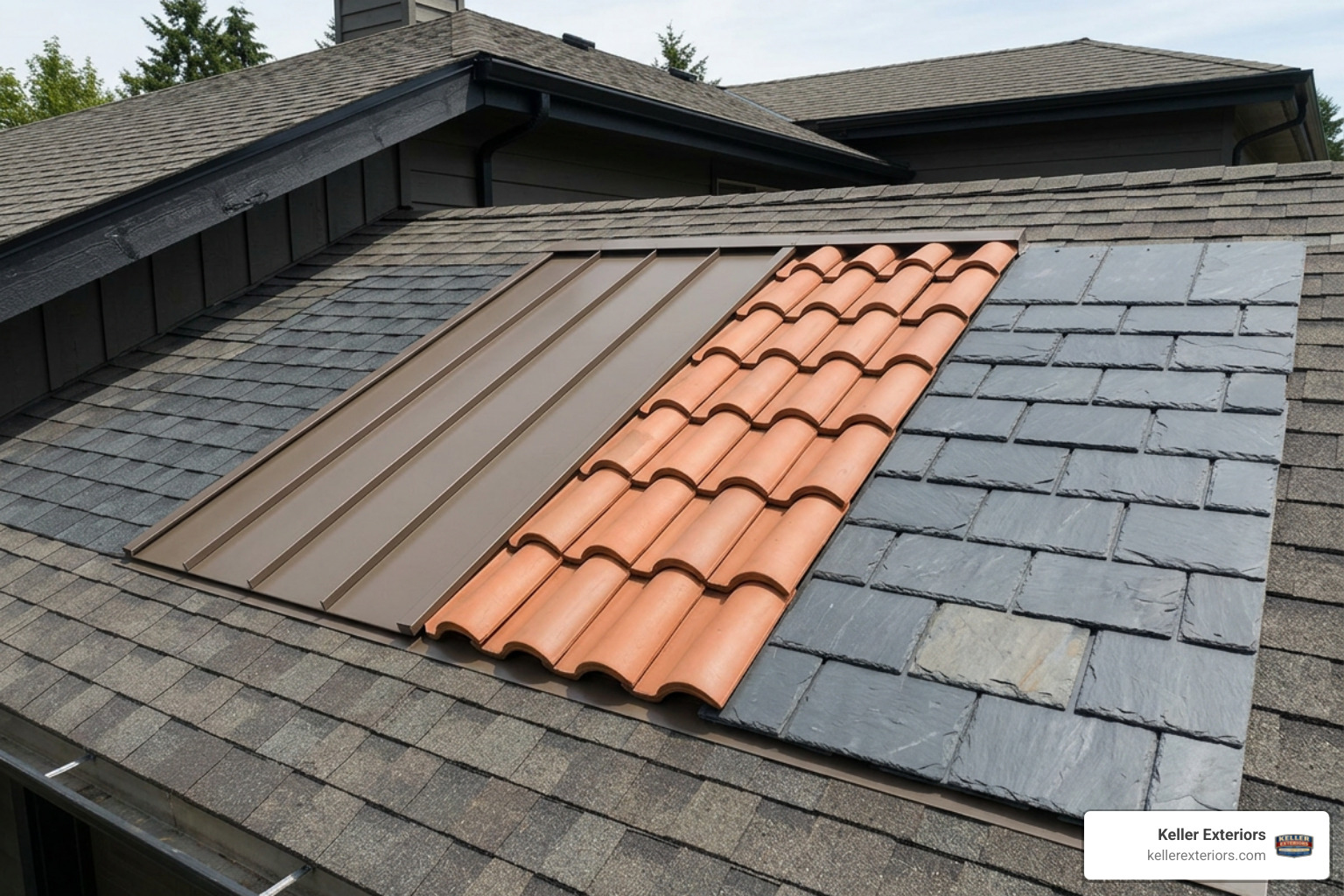
Homeowners evaluating roofing options often contrast asphalt shingles against metal panels, clay tile, or natural slate. Each material offers distinct trade-offs in upfront cost, weight, longevity, and maintenance requirements.
Asphalt shingles remain the top choice across North America because they deliver the lowest upfront installation expense while offering simple, modular repairability. If a severe storm damages a section of shingles, a skilled technician can easily lift damaged units and replace them locally without disturbing the rest of the roof deck.
In contrast, alternative choices like metal roofing provide extraordinary longevity and high wind resistance, but require higher initial investments and specialized installation techniques.
When deciding between traditional asphalt products and durable metal roofing options, weigh your long-term ownership plans against your initial home renovation budget.
Repairing Damage and Proper Maintenance Practices
One major advantage of an asphalt roof is its straightforward, localized repairability. Because shingles are individual overlapping units, a skilled roofing professional can often isolate and replace damaged shingles without removing large roof sections.
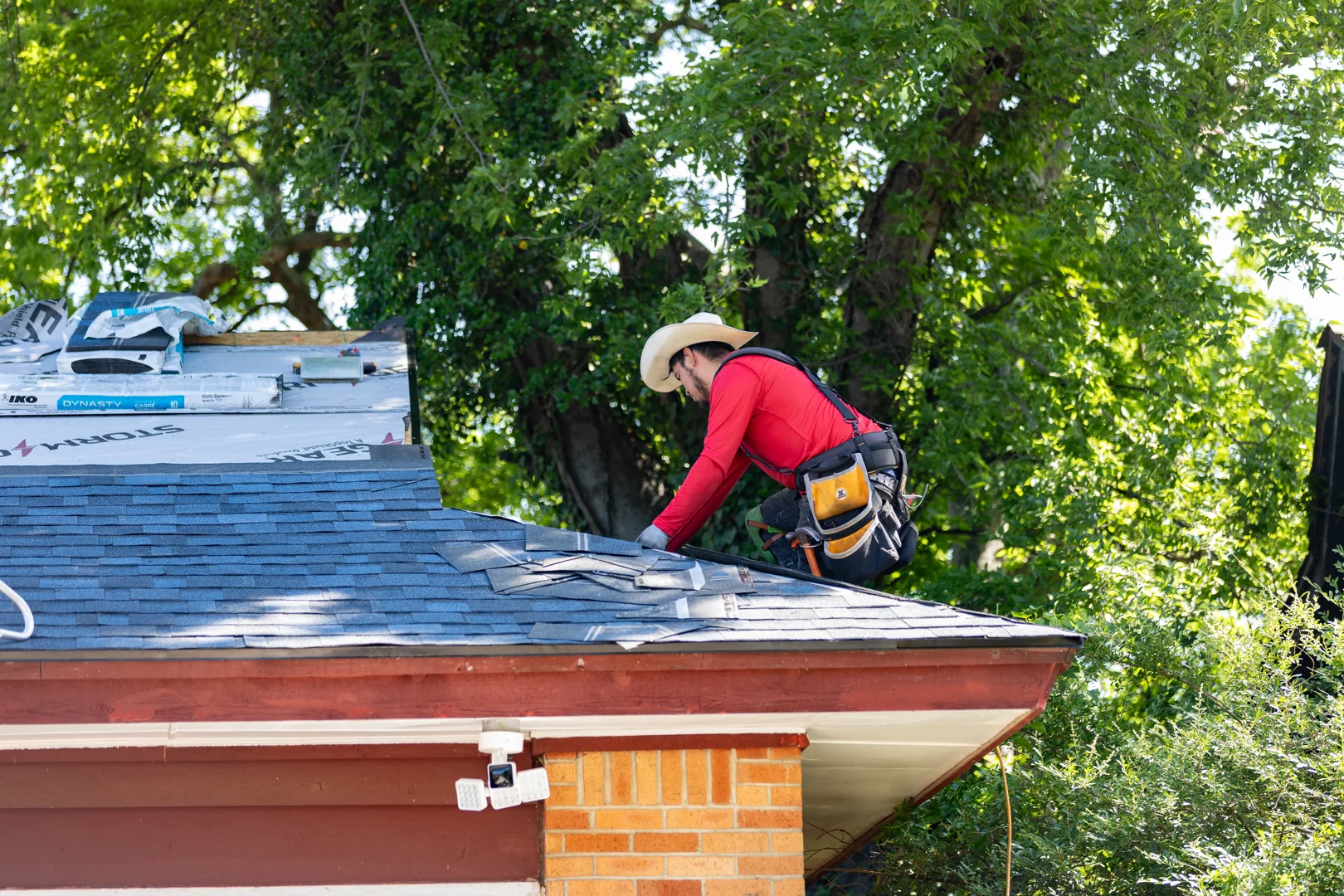
When storm damage affects a roof, technicians carefully lift the surrounding shingles, remove the damaged unit and its fasteners, install a matching replacement, and reseal the overlap. This work requires care because incorrect handling can break the water-shedding pattern, damage adjacent shingles, or create future leak paths.
When wind or hail damages your roof, our storm damage roof repair services can help identify the affected areas and recommend the right next step.
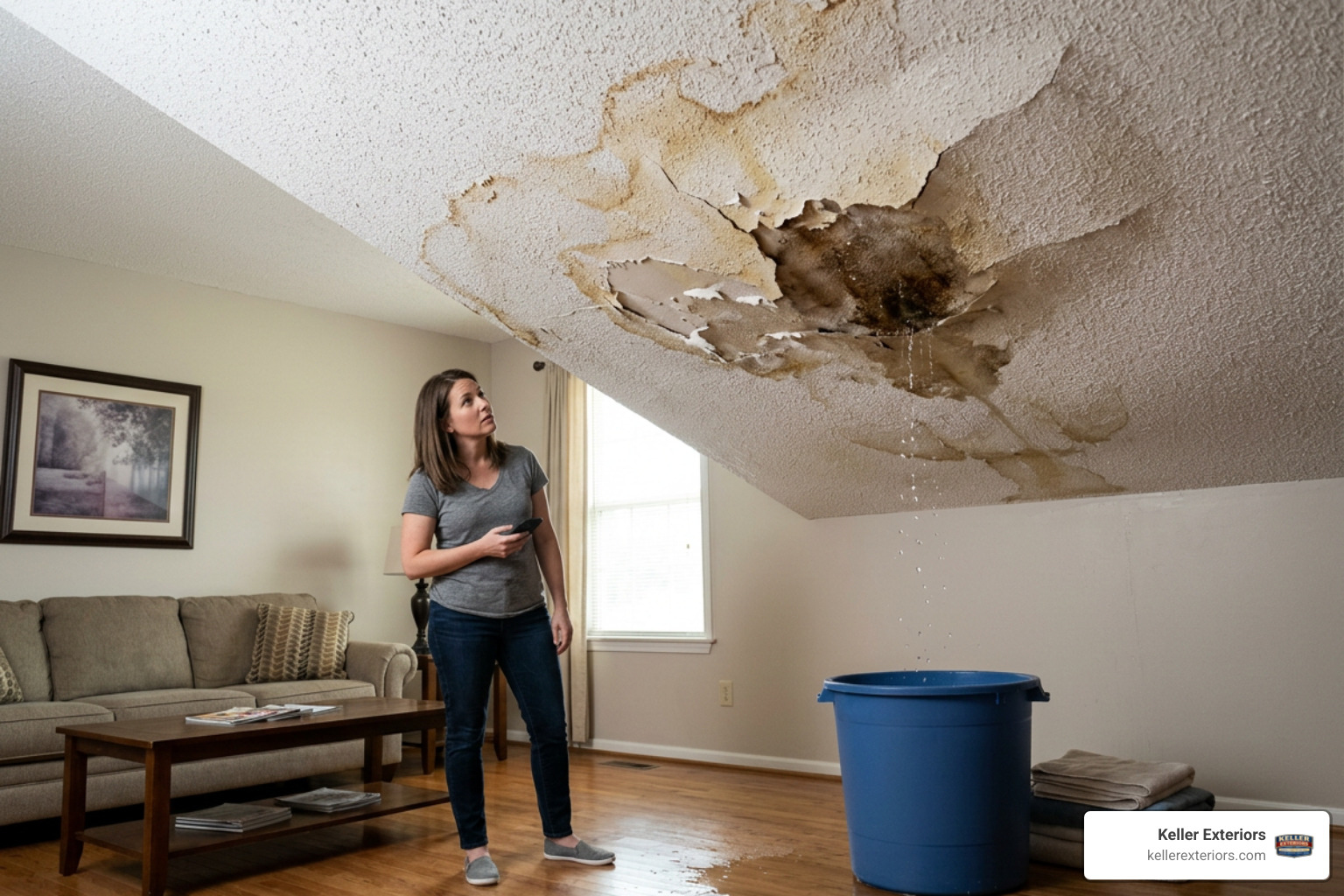
A small ceiling stain or active drip should be addressed quickly, especially during severe weather. Our article on what to do during an emergency roof leak outlines safe first steps homeowners can take while waiting for professional help.
Routine maintenance recommendations include:
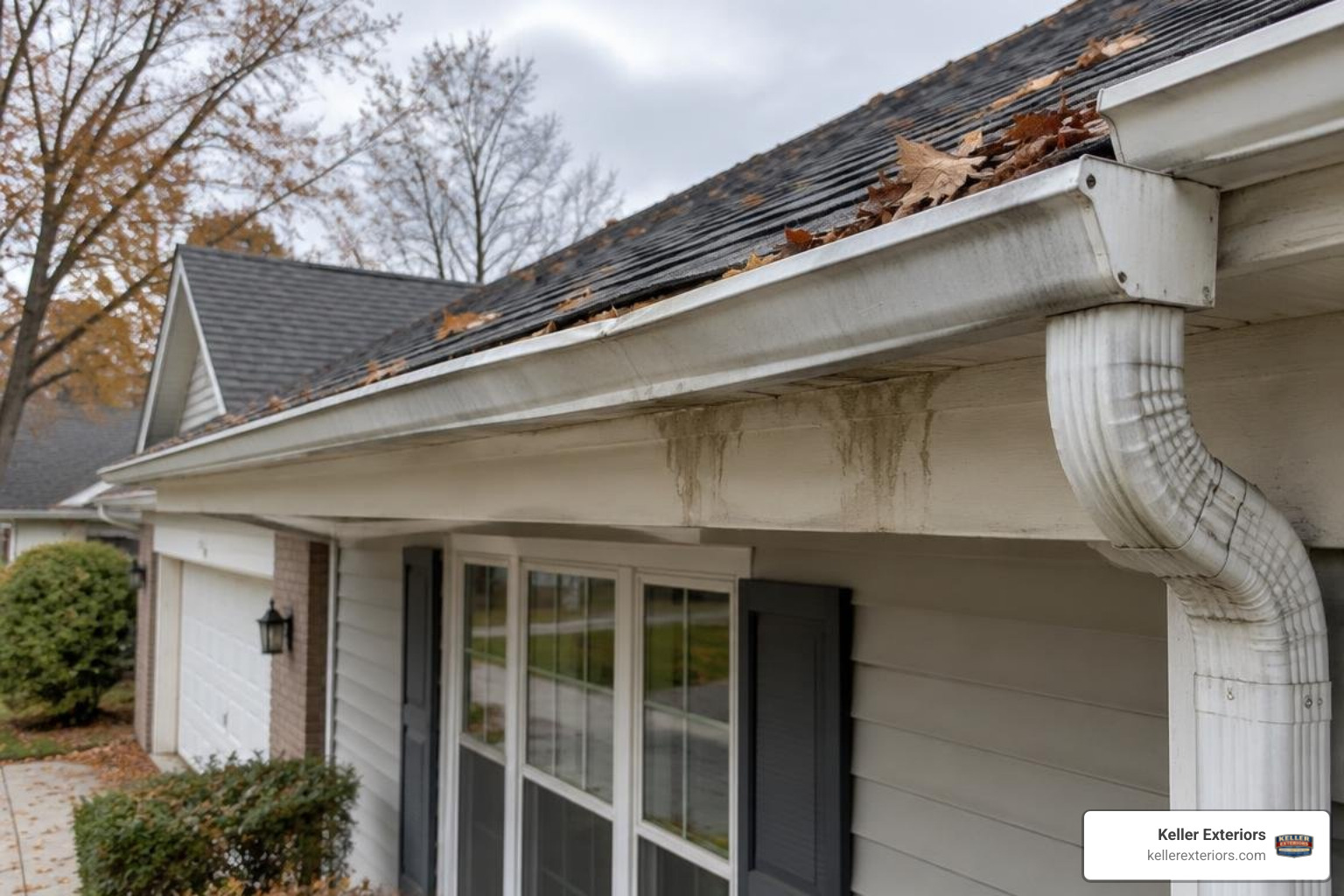
- Clearing accumulated leaves, tree debris, and pine needles from roof valleys twice yearly.
- Trimming overhanging tree limbs back at least six to eight feet from roof planes.
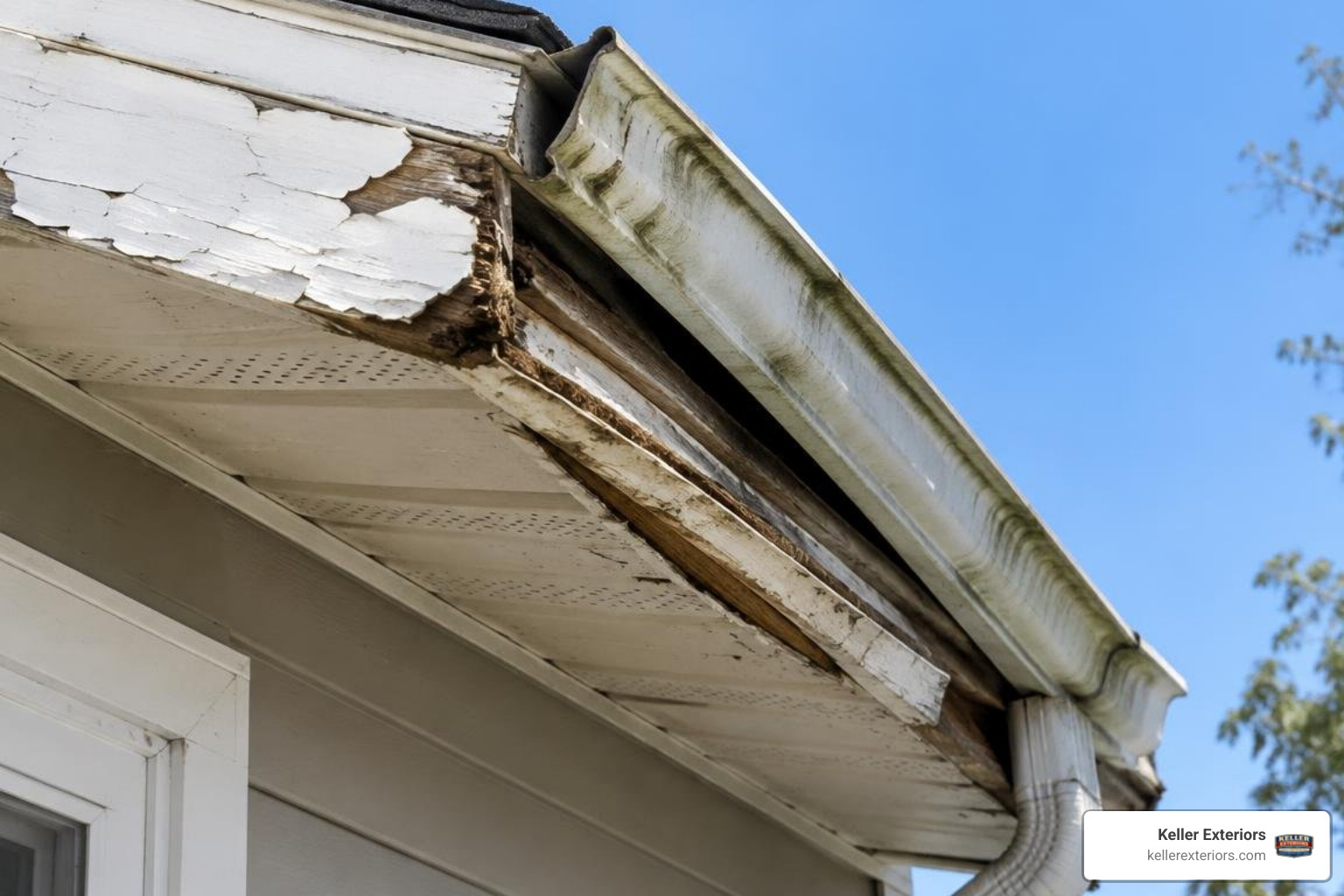
- Keeping rain gutters clear so backed-up water does not damage eaves or fascia boards.
- Scheduling professional roof inspections after major storms and as part of a regular maintenance plan.
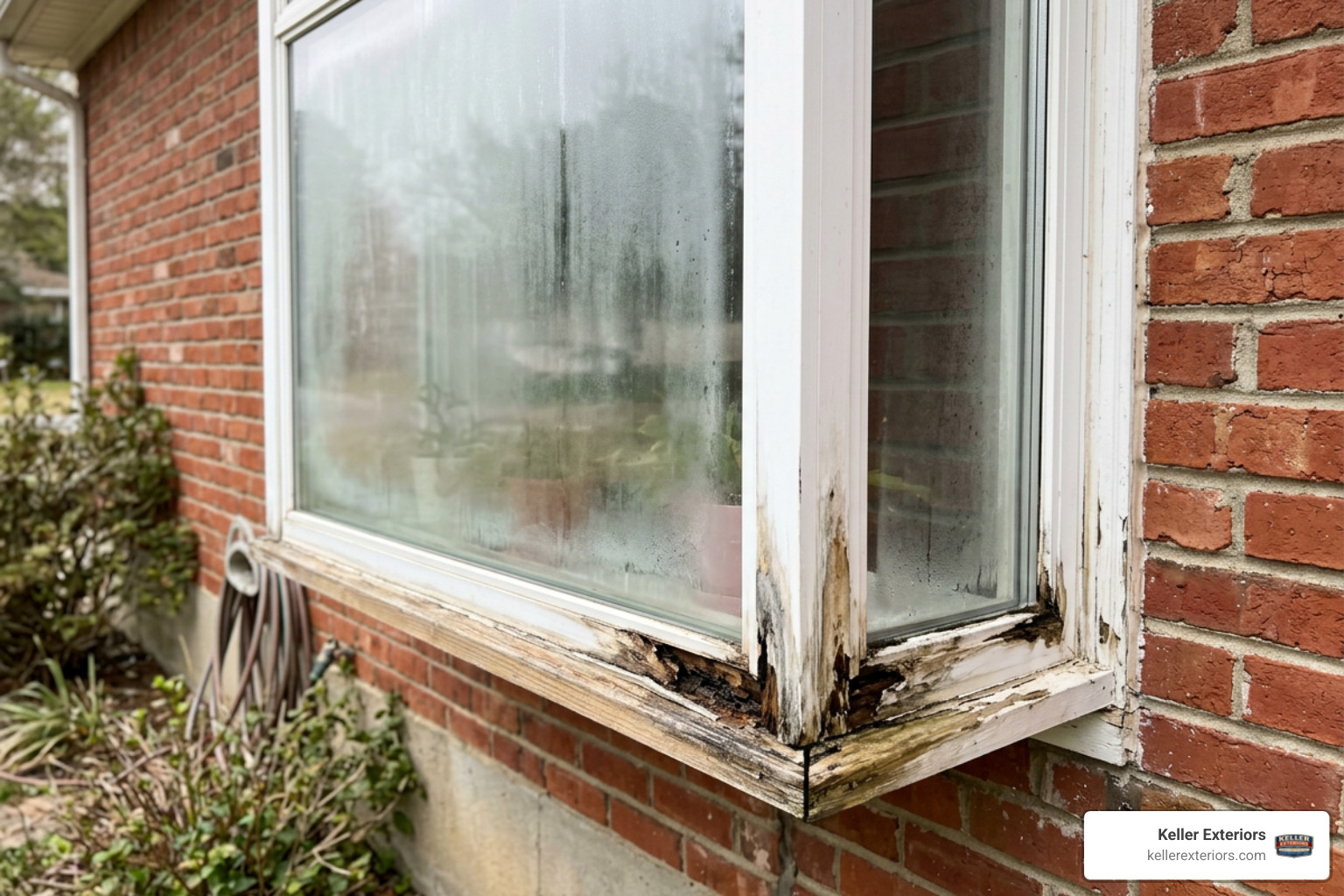
A professional roof inspection can catch loose shingles, flashing concerns, drainage issues, and early signs of wear before they lead to more extensive damage.
Mistakes to Avoid in Asphalt Shingle Maintenance
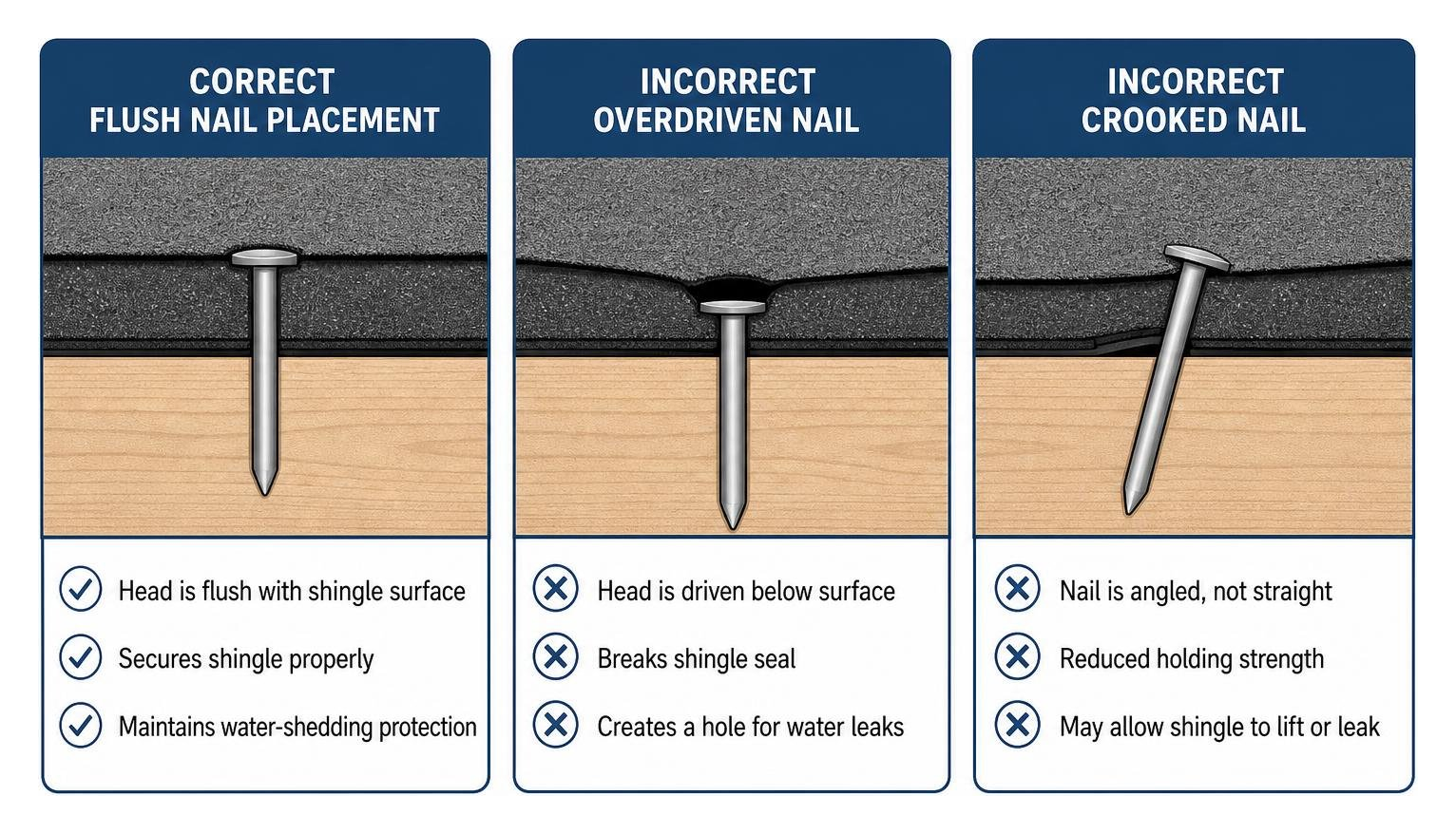
Improper installation or maintenance methods can compromise your roof’s water-shedding barrier and void manufacturer warranties. Avoid these common missteps:
- Overdriven or Angled Fasteners: Driving nails too hard can break through the shingle surface and leave openings that invite leaks.
- Using Staples Instead of Nails: Staples may not provide the holding strength required by modern installation standards.
- Ignoring Minor Water Damage: Ignoring small ceiling water spots can allow hidden deck rot, insulation damage, and mold growth to spread.
- Applying Unapproved Rejuvenator Coatings: Unverified liquid coatings can harm asphalt formulations, affect fire-resistance ratings, and void active warranties.
Planning an Asphalt Shingle Roof Project
A successful asphalt shingle roof project starts with a clear assessment of the roof’s condition, design, ventilation, and drainage details. The shingle type matters, but the supporting system and installation quality play an equally important role in long-term performance.
Key planning considerations include:
- Roof Complexity and Slope: Steeper pitches, valleys, and multiple roof transitions require additional safety planning and careful installation sequencing.
- Existing Roof Conditions: A professional assessment can identify damaged decking, compromised flashing, or ventilation concerns before the new roof system is installed.
- Material Selection: The chosen shingle tier should align with the home’s style, expected weather exposure, and desired level of durability.
- System Components: Synthetic underlayment, leak barriers, starter strips, ridge caps, and ventilation should be selected as a compatible system.
- Qualified Installation: A properly insured, experienced roofing contractor can help ensure the work follows manufacturer requirements and local building standards.
A detailed on-site evaluation gives homeowners a clear understanding of the roof’s needs and helps the installation team recommend a practical scope of work without relying on one-size-fits-all assumptions.
Frequently Asked Questions About Asphalt Shingle Roofing
What are the main types of asphalt shingles available for homes?
The three primary types of asphalt shingles are 3-tab (strip) shingles, architectural (dimensional or laminated) shingles, and luxury (designer) shingles. They vary in visual depth, material weight, wind resistance, and lifespan.
How long does an asphalt shingle roof typically last?
A standard 3-tab asphalt shingle roof lasts approximately 15 to 18 years. Architectural shingle roofs typically last 24 to 30 years or more, while premium luxury shingles can last over 30 years with proper maintenance.
How do architectural shingles differ from standard 3-tab shingles?
Architectural shingles feature multi-layer laminated construction, creating a thick, three-dimensional look with shadow lines. Standard 3-tab shingles consist of a single flat layer with cutouts. Architectural shingles also offer higher wind resistance and longer warranties.
How many bundles of shingles are needed to cover one roofing square?
For standard architectural shingles, it takes three bundles to cover one roofing square (100 square feet of roof deck surface).
Can new asphalt shingles be installed over existing shingles?
Yes, installing new asphalt shingles directly over old ones (a layover or overlay) is allowed by building codes if the roof deck is flat and structurally sound. However, tearing off old shingles is generally recommended to allow roof deck inspections and ensure valid warranty coverage.
What is a Class 4 impact resistance rating on roofing shingles?
A Class 4 rating (under UL 2218 standards) indicates that shingles have passed severe hail impact testing without cracking or splitting. Many Class 4 shingles use polymer-modified asphalt to absorb strike energy, often qualifying homeowners for property insurance premium discounts.
How much does it cost to install an asphalt shingle roof?
Installation costs vary based on total square footage, roof pitch, shingle style selected, tear-off requirements, and local labor rates. Requesting a professional estimate is the best way to get accurate project pricing.
How do cool roof shingles help lower home energy bills?
Cool roof shingles use specially engineered solar-reflective granules that reflect sunlight away from the home. This reduces thermal heat transfer into the attic, lowering summer air conditioning demands and reducing utility bills.
What maintenance is required to keep an asphalt shingle roof in good condition?
Keep gutters clean, clear leaves and debris off roof valleys, trim back overhanging tree branches, inspect flashing seals annually, and schedule periodic professional roof inspections.
What are the most common installation mistakes that cause roof leaks?
Common installation errors include misplacing nails outside the designated nailing strip, overdriving fasteners, omitting starter strips along edges, failing to install proper step flashing around chimneys, and blocking attic intake vents.
Protecting Your Home with the Right Asphalt Shingle Choice
Selecting the right asphalt shingle type is an important investment in your home’s structural health, exterior appearance, and long-term protection. Whether you choose budget-conscious 3-tab shingles, durable architectural shingles, or premium luxury options, aligning your choice with local weather conditions and architectural style supports dependable performance.
At Keller Exteriors, our family-owned team brings more than 20 years of hands-on construction experience to residential projects across Coweta, OK, Glenpool, OK, Catoosa, OK, Pryor, OK, and surrounding Green Country communities. We focus on complete, high-performing roofing systems, careful workmanship, and clear communication.
If you are ready to evaluate your roof’s condition or compare shingle options in person, Keller Exteriors is ready to help. Contact our professional roofing technicians to schedule a comprehensive roof inspection and discuss the right next step for your home.