
Identifying Hail Damage: Signs, Material Risks, and Hidden Structural Threats
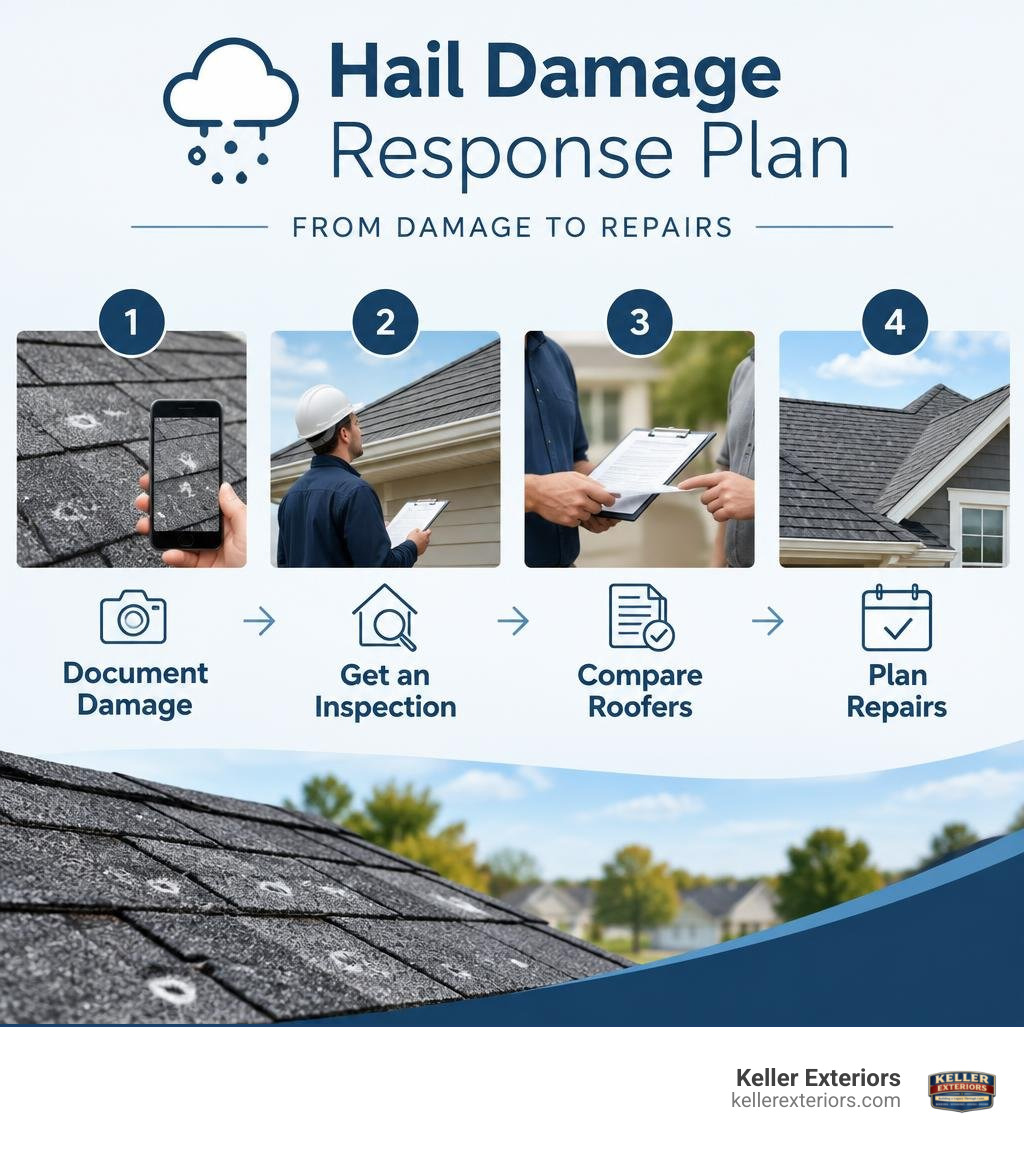
Start with a local roofer who will inspect the whole exterior, document the damage with photos, and give you a written estimate. Before signing, check their insurance, local references, and workmanship warranty. Get more than one estimate, and do not pay the full amount upfront.
Hail can bruise shingles, loosen their protective granules, and dent gutters even when your roof is not leaking. A prompt professional inspection can help you catch hidden damage and decide whether a repair or replacement makes sense.
I’m Robert Keller, owner of Keller Exteriors, and I’ve worked across home exterior trades for more than 25 years. That experience has shown me what to look for in hail damage roofing contractors, starting with a careful inspection and a clear plan for the work.
Must-know hail damage terms include emergency roof leak repairs, finding hidden roof leaks, and contractor vetting standards.
When severe thunderstorms roll through Green Country, hail stones fall at high velocities, turning frozen precipitation into destructive projectiles. Depending on wind speed, hail size, and storm duration, the damage to your home exterior can range from subtle mineral granule loss to major structural fractures. Recognizing these warning signs early helps protect your attic, ceilings, and interior living spaces from hidden moisture infiltration.
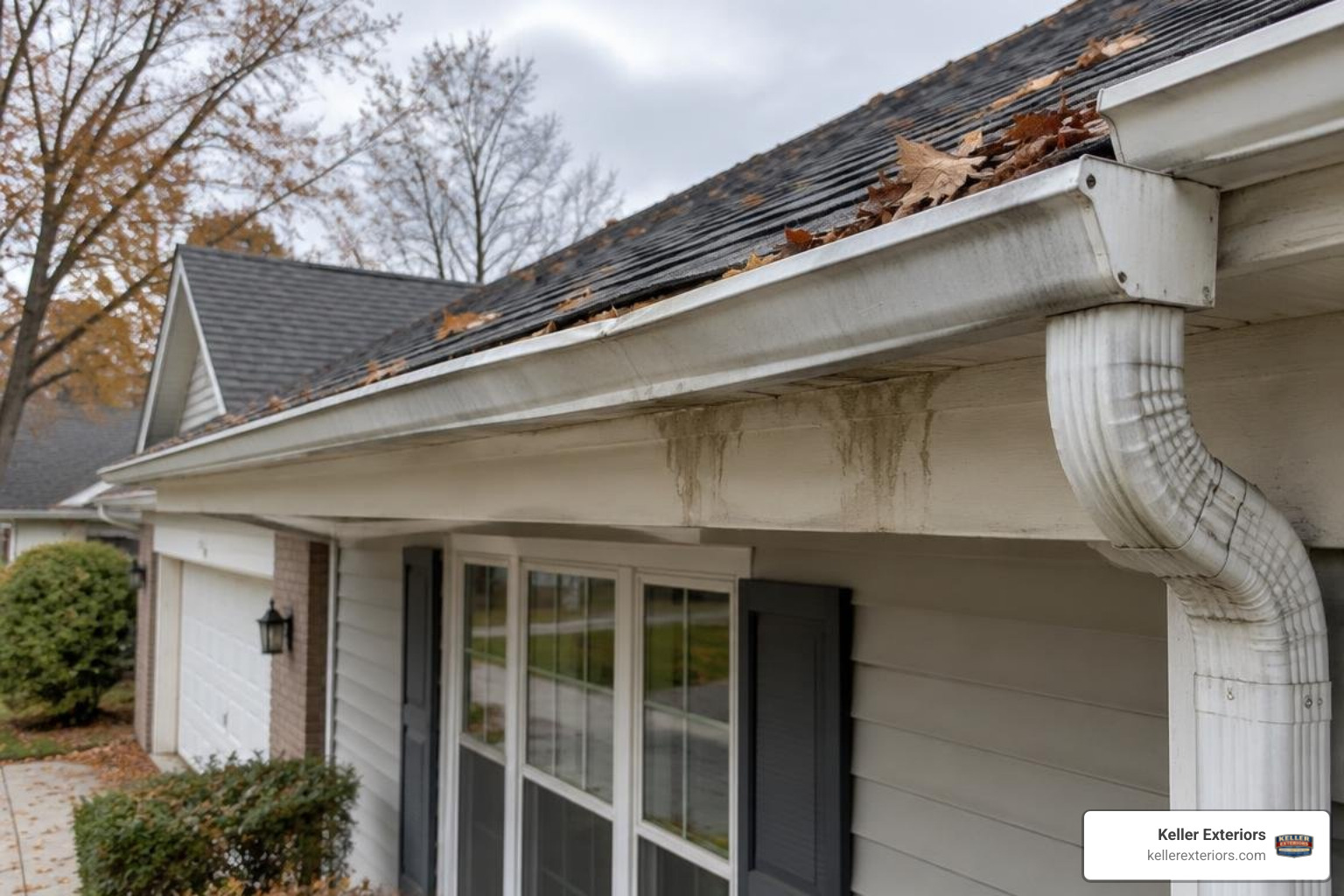
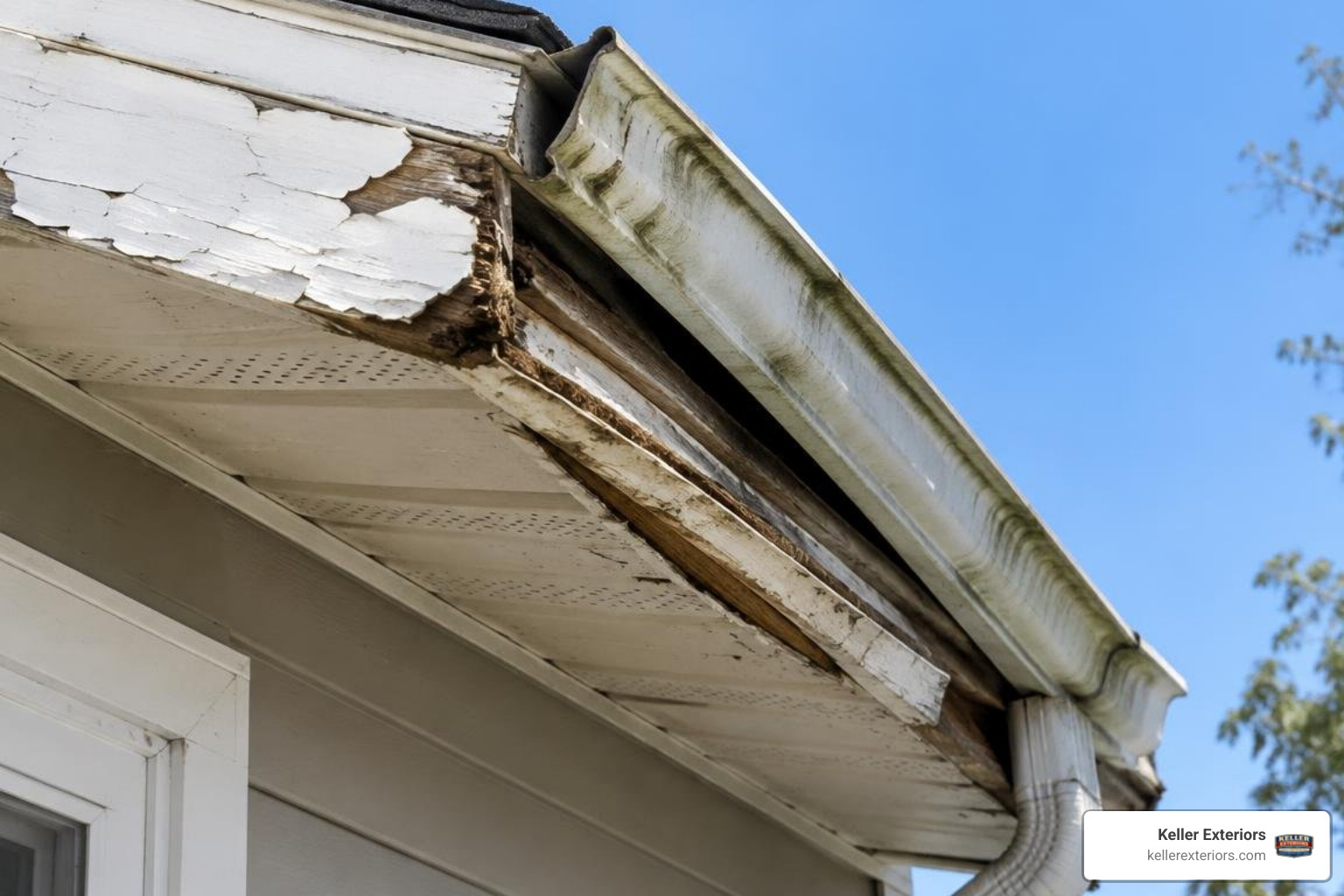
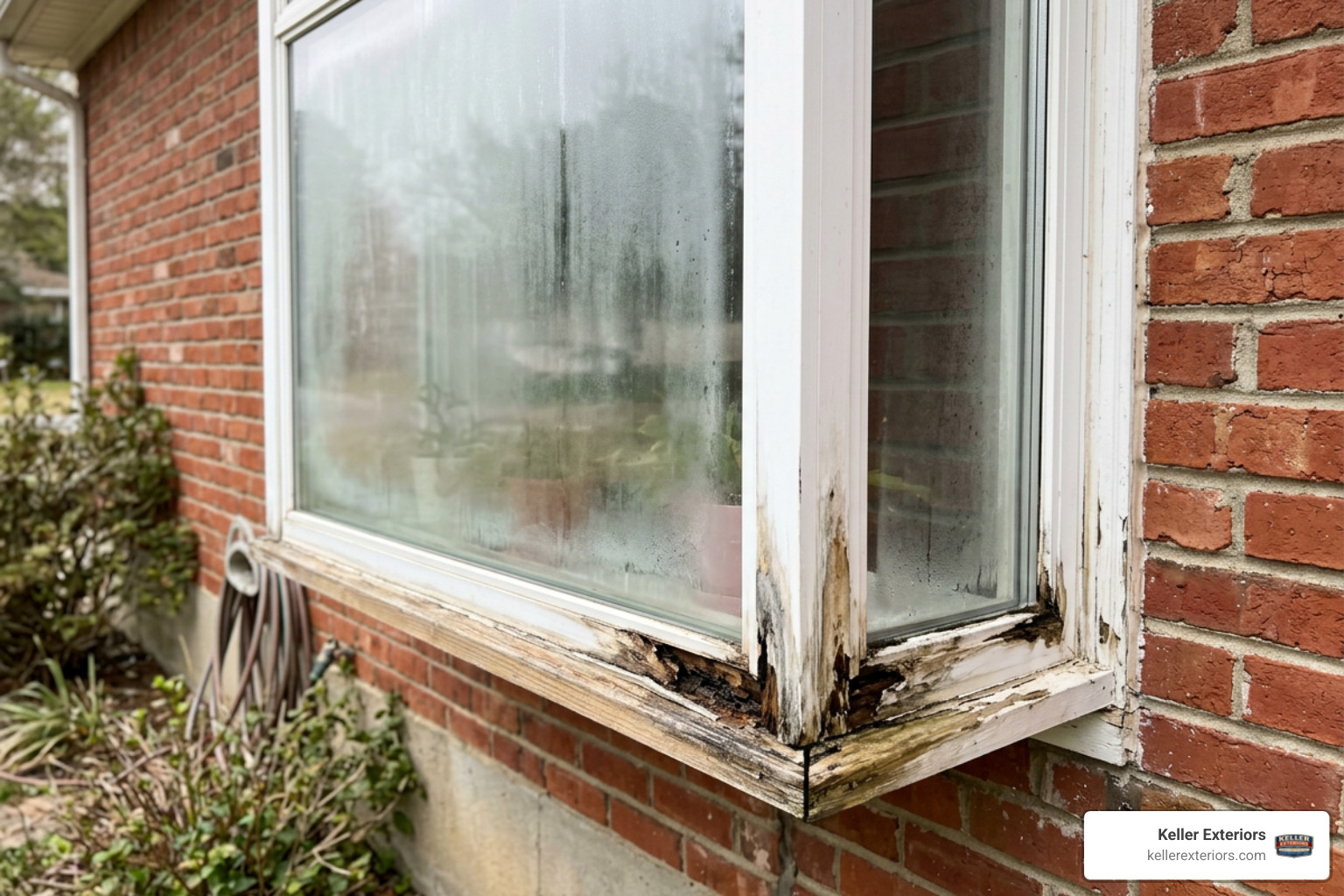
Hail does not affect only the top layer of your roof. It can also strike gutters, downspouts, window screens, siding panels, and metal flashing around the perimeter of your home. Damage to drainage components can affect how water moves away from the roof, so professional gutter services can be part of a complete storm-damage assessment. If you notice dented metal downspouts or cracked vinyl siding around your foundation after a storm, your roof shingles likely took an even heavier beating.
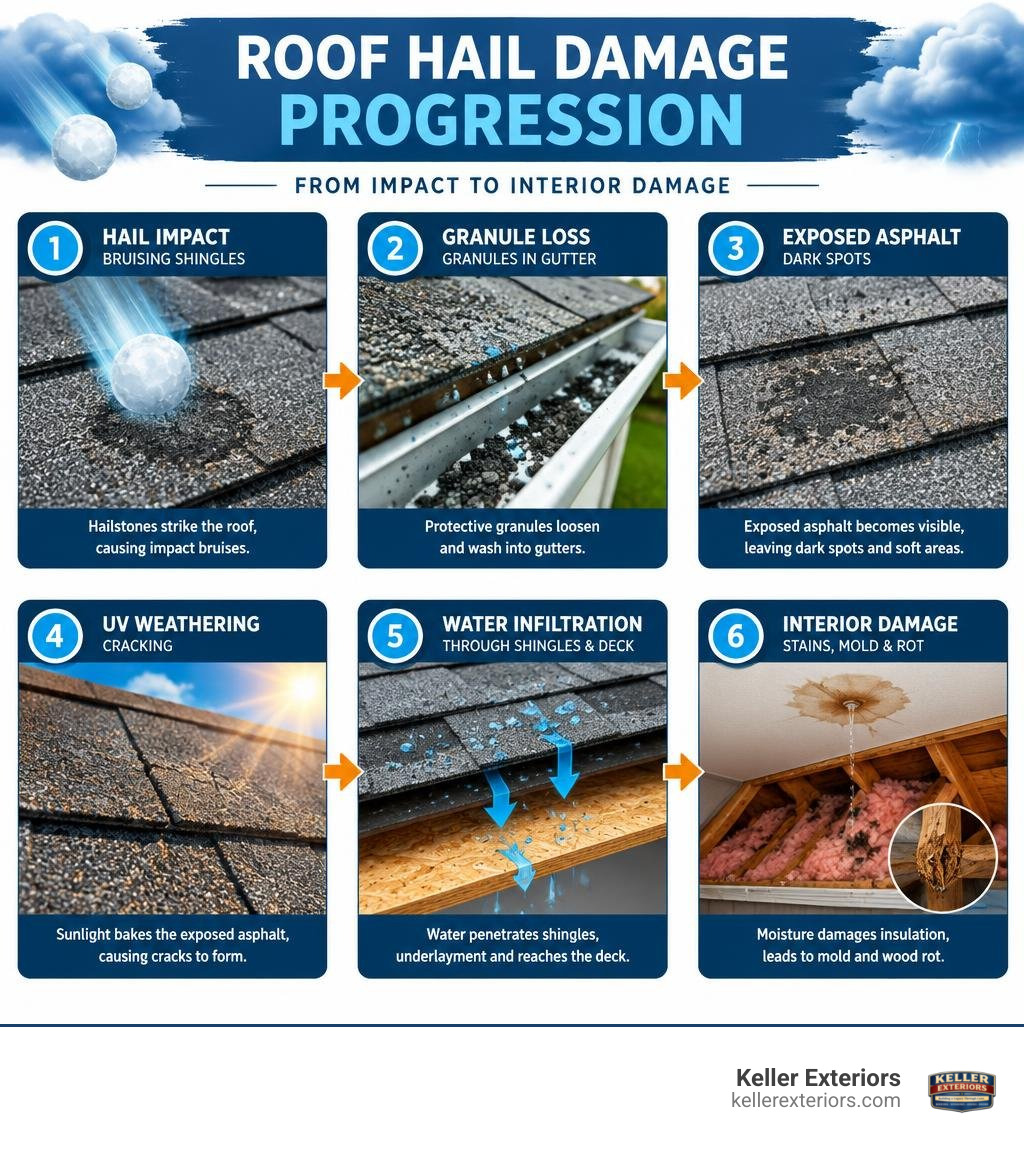
A severe impact loosens the protective mineral granules that shield the underlying asphalt from the sun. Once displaced, these granules wash down into your gutter channels, leaving dark spots or soft bruises on the shingle surface. Over time, sunlight bakes the exposed bitumen layer, causing it to crack and let moisture reach the roof deck. Knowing how to find a roof leak before it ruins your ceiling gives you a clear advantage when checking your attic for early warning signs of storm-related moisture intrusion.
Material-Specific Vulnerabilities: Shingles, Metal, and Flat Roofs
Different roofing systems react to hailstorms in distinct ways:
- Asphalt Shingles: Standard 3-tab and architectural asphalt shingles frequently suffer from granule loss, micro-cracking, and torn fiberglass mats. When hail hits an asphalt shingle, it creates a circular bruise that feels soft or spongy to the touch, similar to a bruised apple. Exploring the differences between types of asphalt shingles helps explain why thicker dimensional and luxury shingles often withstand moderate hail better than older traditional designs.
- Metal Roofing Panels: Standing seam and corrugated metal roof systems are exceptionally durable against wind and rain, but large hail can leave noticeable cosmetic dents or deep structural gouges. If a stone hits a fastener line or seam with enough force, it can distort the interlocking joints, compromise the watertight seal, and create immediate entry points for rainwater.
- Low-Slope and Flat Roofs: Commercial and residential flat roofs covered with single-ply membranes like TPO, PVC, or modified bitumen can develop hidden micro-punctures or tears. Hail strikes crush the insulation board beneath the flexible membrane, creating low spots where water pools and eventually seeps through the structural decking.
The Hidden Risks of Delaying Storm Damage Repairs
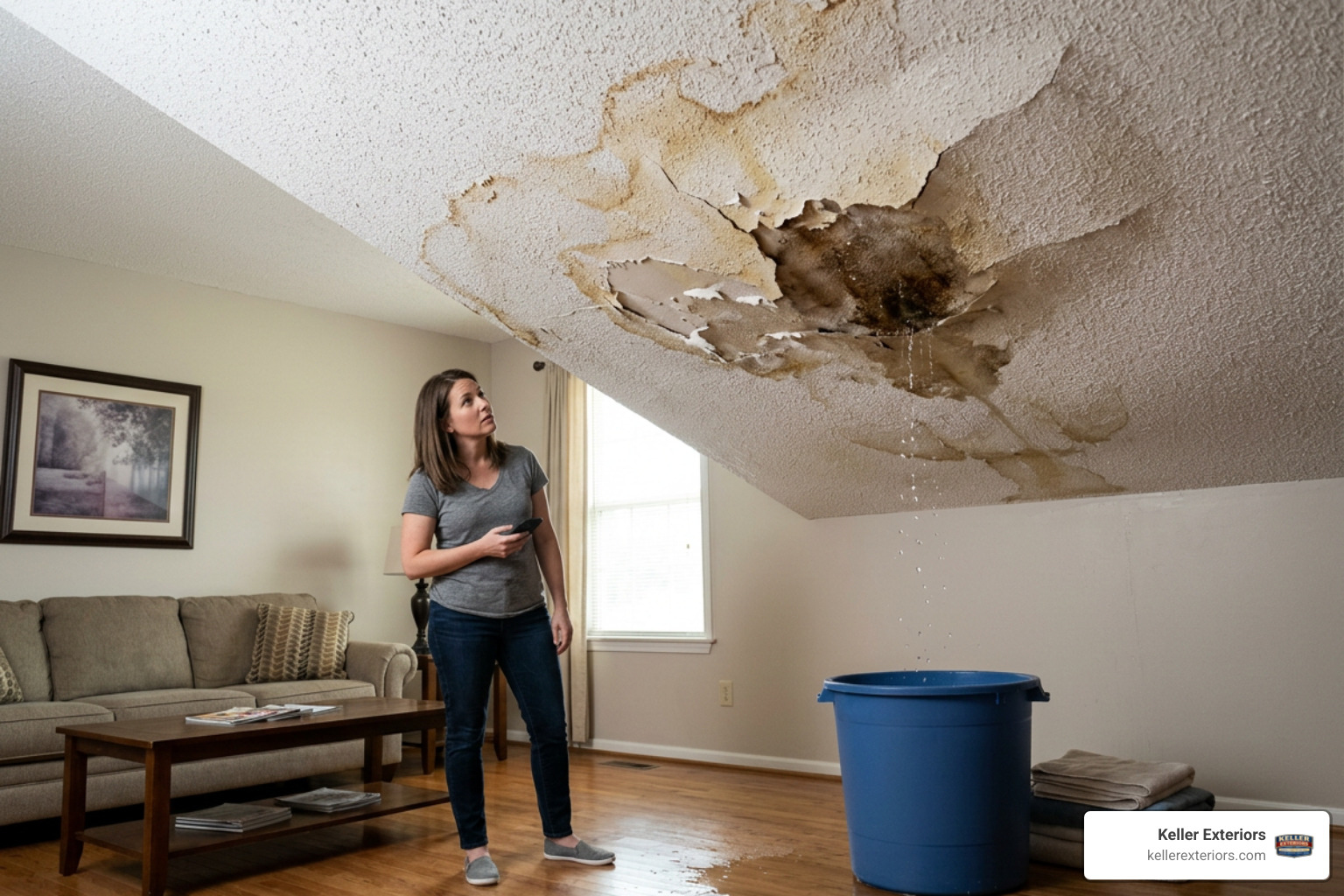
Ignoring storm damage because your ceilings are dry is one of the most expensive mistakes a homeowner can make. Hail damage creates subtle entry pathways that allow slow, hidden water seepage over many months.
When moisture quietly enters your attic insulation, it ruins the thermal barrier of your home, forcing your heating and cooling equipment to work harder. Damp insulation quickly fosters hidden mold colonies and wood rot across your roof rafters and OSB decking boards. During winter, moisture trapped in small shingle cracks freezes, expands, and widens the gaps. This continuous freeze-thaw cycle turns a minor bruise into an active drip, requiring swift emergency roof leak repair when sudden rainstorms sweep across Oklahoma.
Local Roofers vs. Storm Chasers: Selecting Hail Damage Roofing Contractors
Following a major hail event in Tulsa, OK, neighborhoods often see an influx of out-of-town companies going door-to-door. These traveling companies, commonly known as storm chasers, follow severe storm paths across the country, selling rapid roof replacements before moving on to the next storm-damaged city.
While they often promise fast turnarounds, storm chasers lack permanent roots in our local communities. When an installation issue develops months down the road, their temporary phone numbers are frequently disconnected, leaving you with no workmanship warranty coverage and no local recourse.
Working with an established local roofing contractor protects your long-term investment. Local roofers understand the regional climate demands, adhere strictly to municipal building codes in Tulsa, OK, Broken Arrow, OK, and Owasso, OK, and maintain active manufacturer certifications. Most importantly, local teams maintain permanent brick-and-mortar offices, answering your calls and standing behind their work for years to come.
| Feature | Established Local Roofing Contractor | Out-of-State Storm Chaser |
|---|---|---|
| Physical Presence | Permanent local office, local phone number, and long-term community reputation | Temporary address, out-of-state license plates, and transient crew |
| Code Compliance | In-depth knowledge of local municipal building codes and permit rules | Limited understanding of regional construction guidelines |
| Warranty Support | Transferable manufacturer warranties backed by long-term local workmanship coverage | Workmanship warranties that become unserviceable once crews leave town |
| Insurance Coordination | Objective, photo-documented assessments that align with insurer guidelines | Aggressive claim pressure and inflated repair scopes |
| Post-Project Support | Readily available for seasonal maintenance, questions, and warranty calls | Difficult or impossible to contact after final payment is made |
Key Differences When Evaluating Hail Damage Roofing Contractors
Before hiring any team to work on your home, verify their credentials through structured questions and formal documentation. Reviewing our best rated roofers checklist provides a helpful blueprint for vetting potential contractors before signing an agreement.
Always look for the following qualifications:
- State and Municipal Registration: Confirm that the contractor holds an active roofing contractor registration with the Oklahoma Construction Industries Board and secures the necessary permits for your municipality.
- Comprehensive Insurance: Demand current certificates for both general liability insurance and workers’ compensation coverage to protect yourself from property damage and injury liability during the project.
- Manufacturer Certifications: Top-tier roofing material manufacturers only certify contractors with proven track records of proper installation techniques, safety protocols, and financial stability.
- Local References: Ask for verified references and project addresses in nearby communities like Jenks, OK, Bixby, OK, or Sand Springs, OK, where you can see their completed work firsthand.
Questions to Ask Hail Damage Roofing Contractors Before Signing
Never sign a blank contract or agree to an open-ended contingency agreement without asking critical screening questions:
- Do you have a physical office location in the Tulsa, OK metropolitan area?
- Can you provide a certificate of insurance naming me as the certificate holder?
- Will you provide an itemized, written estimate specifying exact materials, underlayment, and ventilation components?
- How long have your installation crews worked directly with your company?
- What specific workmanship warranty do you offer on labor in addition to the manufacturer material warranty?
- Do you require large upfront cash payments before materials are delivered to my property? (A request for total payment upfront is an immediate red flag.)
The Hail Damage Restoration Process: Inspection to Insurance Settlement
Restoring your home after a hailstorm requires a methodical, step-by-step approach. Rushing into repairs without proper documentation can lead to denied insurance claims, out-of-pocket expenses, or incomplete exterior repairs.
Professional Roof Inspections and Damage Documentation
A comprehensive inspection covers far more than a quick look at your shingles from the driveway. Our team conducts thorough, systematic evaluations of your entire building envelope:
- Full Roof Deck and Shingle Analysis: We examine the entire roof surface, identifying subtle bruising, displaced granules, cracked mats, and unseated flashing around dormers and chimneys.
- Collateral Exterior Assessment: We inspect your gutters, downspouts, vinyl or fiber cement siding, window screens, and fascia boards. Insurers look for collateral hail marks on metal vents and gutters to confirm storm dates and impact direction.
- Attic and Moisture Diagnostics: We check your attic interior for damp insulation, water-stained framing, or signs of deck rot caused by hidden water penetration.
- High-Resolution Photo Reports: We provide you with clear photographic documentation and an itemized overview detailing every damaged exterior component.
Working with Insurance Adjusters and Documenting a Claim
Navigating homeowners insurance claims can feel complex, but having the right documentation simplifies the entire process. Most property insurance policies contain specific time limits for filing storm damage claims, making prompt documentation essential after severe weather.
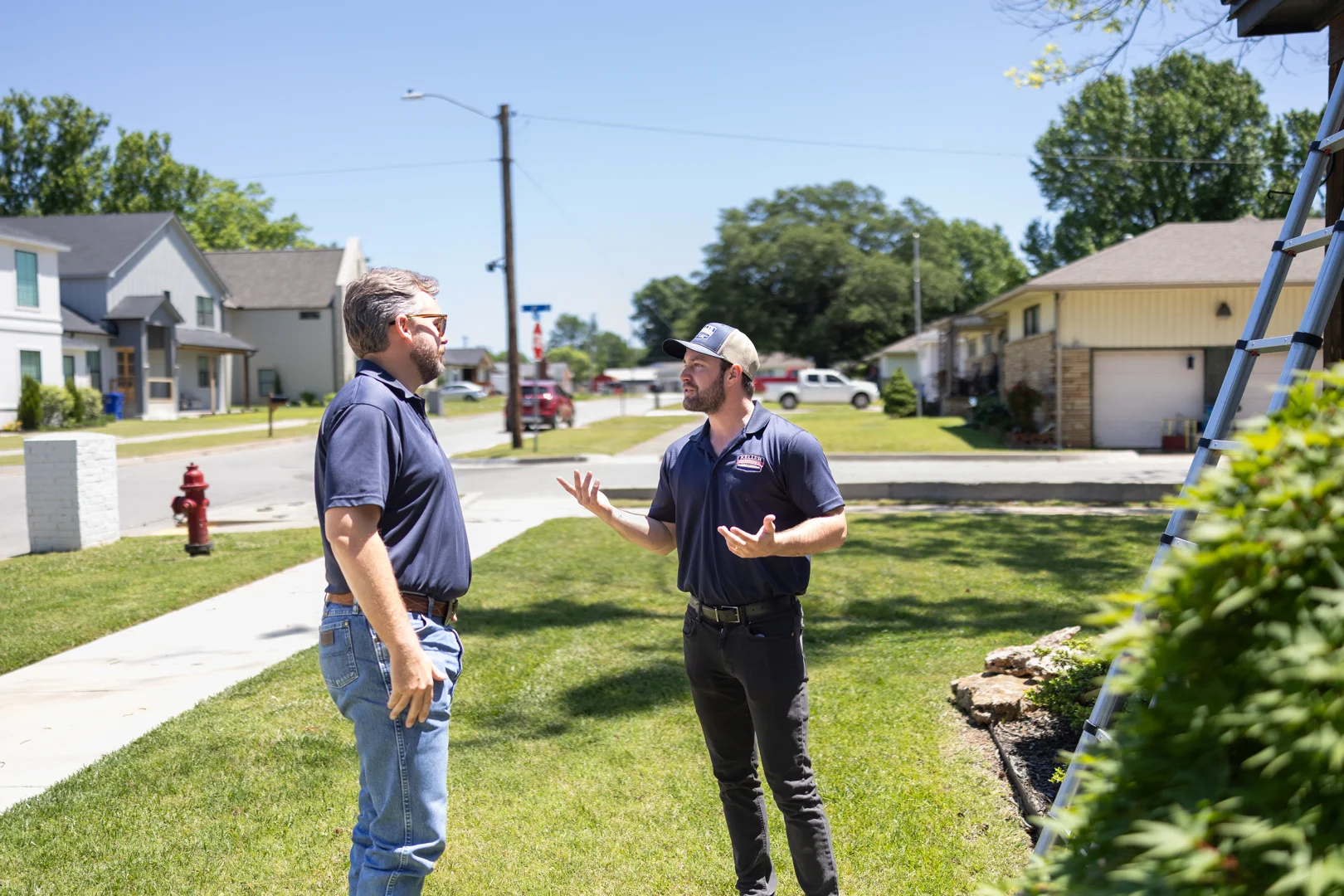
When your insurance company assigns an independent or staff adjuster to inspect your property, having your local roofing contractor present on-site ensures every detail is addressed. Your contractor can point out subtle shingle bruising, damaged flashing valleys, and collateral gutter impacts that an adjuster might overlook.
If the adjuster’s initial scope of work misses critical items or underestimates material quantities, your contractor can submit a supplemental estimate with supporting photos to ensure your roof is restored to proper building code standards. Comparing your roof replacement options gives you a clear understanding of the steps involved from initial tear-off to final cleanup.
Tulsa Weather Patterns and Hail-Resistant Roofing Solutions
Tulsa, OK, sits directly inside the volatile weather corridor known as Tornado Alley and the southern Great Plains hail belt. During spring and early summer, warm moisture from the Gulf of Mexico collides with cool, dry air from the north and west. These atmospheric clashes fuel severe supercell thunderstorms that regularly generate high winds and large hail stones ranging from dime size to baseball size.
Communities across Tulsa County and surrounding areas, including Claremore, OK, Bartlesville, OK, Collinsville, OK, and Coweta, OK, face repeated storm cycles every year. This continuous storm activity means standard builder-grade roofs often degrade years ahead of their expected lifespan.
Upgrading to Impact-Resistant Roofing Materials
If your roof has suffered significant hail damage and requires replacement, upgrading to durable, impact-resistant materials can provide superior protection against future storms:
- Class 4 Impact-Resistant Shingles: These advanced shingles feature polymer-modified asphalt or reinforced fiberglass backing designed to withstand the high-velocity impact of steel balls during laboratory testing. They flex rather than fracture when struck by large hail.
- Standing Seam Metal Roofing: High-gauge metal panels offer exceptional defense against wind-driven hail, shedding heavy rain and resisting puncturing even during severe storm events.
- Insurance Premium Reductions: Many property insurance carriers offer annual premium discounts for homes equipped with qualifying Class 4 roofing materials. Ask your insurance agent if your policy qualifies for these credits.
- Emergency Protection: If a storm creates an active opening in your roof deck, applying a secure temporary tarp or referencing a guide to roof patching can help mitigate interior water damage while you wait for scheduled crew repairs.
Frequently Asked Questions About Hail Damage Roof Repairs
How do I know if my roof has hail damage if there are no active leaks?
Hail damage rarely causes immediate indoor leaks. Look for telltale warning signs on your property, such as loose mineral granules collecting in gutter troughs, dented downspouts, chipped exterior paint, and dented metal roof vents. A professional contractor climbs the roof to inspect for subtle shingle bruising, torn fiberglass mats, and displaced asphalt granules that are invisible from ground level.
How long do homeowners have to file an insurance claim after a storm?
Filing deadlines depend strictly on your specific homeowners insurance policy terms and state regulations. Most property insurance policies require claims to be submitted within one year of the documented storm date, though some policies allow up to two years. It is best to check your insurance policy immediately after severe weather and schedule an inspection to verify the exact storm date.
Can small hail cause enough damage to require a full roof replacement?
Yes, pea-sized or marble-sized hail can cause extensive damage if it is driven by high winds or falls for an extended period. Continuous impacts strip away protective mineral granules across large sections of your roof, leaving the underlying asphalt exposed to UV degradation and premature aging. If the granule loss is widespread across multiple roof slopes, your insurer may recommend a full replacement rather than isolated repairs.
Will my homeowners insurance rates go up if I file a hail damage claim?
In most states, insurance companies cannot raise individual policy rates solely because you filed a claim for natural weather events or acts of God. However, insurance carriers may adjust baseline rates across an entire geographic zip code or region following severe weather events. Consulting your insurance agent provides direct clarity on how storm claims are classified under your specific policy.
Should I get my roof inspected even if my neighbors did not report damage?
Yes, you should always schedule an inspection after severe weather. Hail storms are highly localized, and microbursts or wind patterns can cause severe damage to one home while leaving a neighboring roof relatively unscathed. Additionally, differences in roof age, shingle quality, and roof pitch affect how well a home withstands hail impacts.
What should I do immediately after a severe hailstorm hits my area?
First, ensure that all family members are safe and that the storm has completely passed. Walk around the exterior perimeter of your home at ground level to photograph visible damage to windows, siding, gutters, air conditioning units, and downspouts. Check your attic for signs of daylight or active water drips, and schedule a professional inspection with a trusted local roofing company.
Can I repair hail-damaged shingles myself with sealant or patches?
DIY repairs on hail-damaged roofs are generally not recommended due to significant fall risks and the complexity of identifying hidden structural damage. Applying mastic, roof cement, or silicone over bruised shingles does not restore the structural integrity of fractured fiberglass mats and can void manufacturer warranties. Working with a licensed contractor ensures safe, code-compliant, and warrantied repairs.
What is the difference between cosmetic and functional hail damage?
Cosmetic damage refers to minor surface alterations, such as shallow indentations on metal valleys or light granule scuffs, that do not affect the roof water-shedding performance or lifespan. Functional damage occurs when hail fractures the shingle substrate, punctures underlayment, or exposes bitumen to UV rays, directly compromising the ability of the roof to protect your home.
How do I know if my roof needs localized repairs or a full replacement?
The choice between spot repairs and full replacement depends on the age of your roof, the density of hail impacts per square foot, and the overall condition of the shingles. If damage is isolated to a few shingles on a relatively new roof, targeted repairs are often cost-effective. If bruising and granule loss extend across multiple roof slopes, a complete replacement is typically necessary.
Why do insurance adjusters and roofers sometimes disagree on the damage scope?
Adjusters and contractors look at properties through different lenses. Adjusters focus on policy limits and minimum repair guidelines, while professional roofers evaluate long-term building envelope integrity and strict municipal building codes. When your local contractor meets the adjuster on-site, they can walk the roof together to review damage evidence and reach an agreement on the scope of work.
Protecting Your Home with Reliable Tulsa Exterior Restoration
Dealing with severe hail damage does not have to be an overwhelming experience. By choosing a reputable, community-focused contractor over transient storm chasers, you secure clear communication, proper insurance documentation, and lasting workmanship for your home.
For over 20 years, our team at Keller Exteriors has served homeowners across Tulsa, OK, Broken Arrow, OK, Owasso, OK, Jenks, OK, Bixby, OK, Sand Springs, OK, Claremore, OK, and surrounding communities. As one trusted local team managing full-service exterior solutions, we handle roofing, siding, windows, and gutters with genuine care and craft. When severe weather impacts your property, explore our comprehensive exterior services and schedule a professional Tulsa roofing inspection with our experienced team to protect your home for years to come.