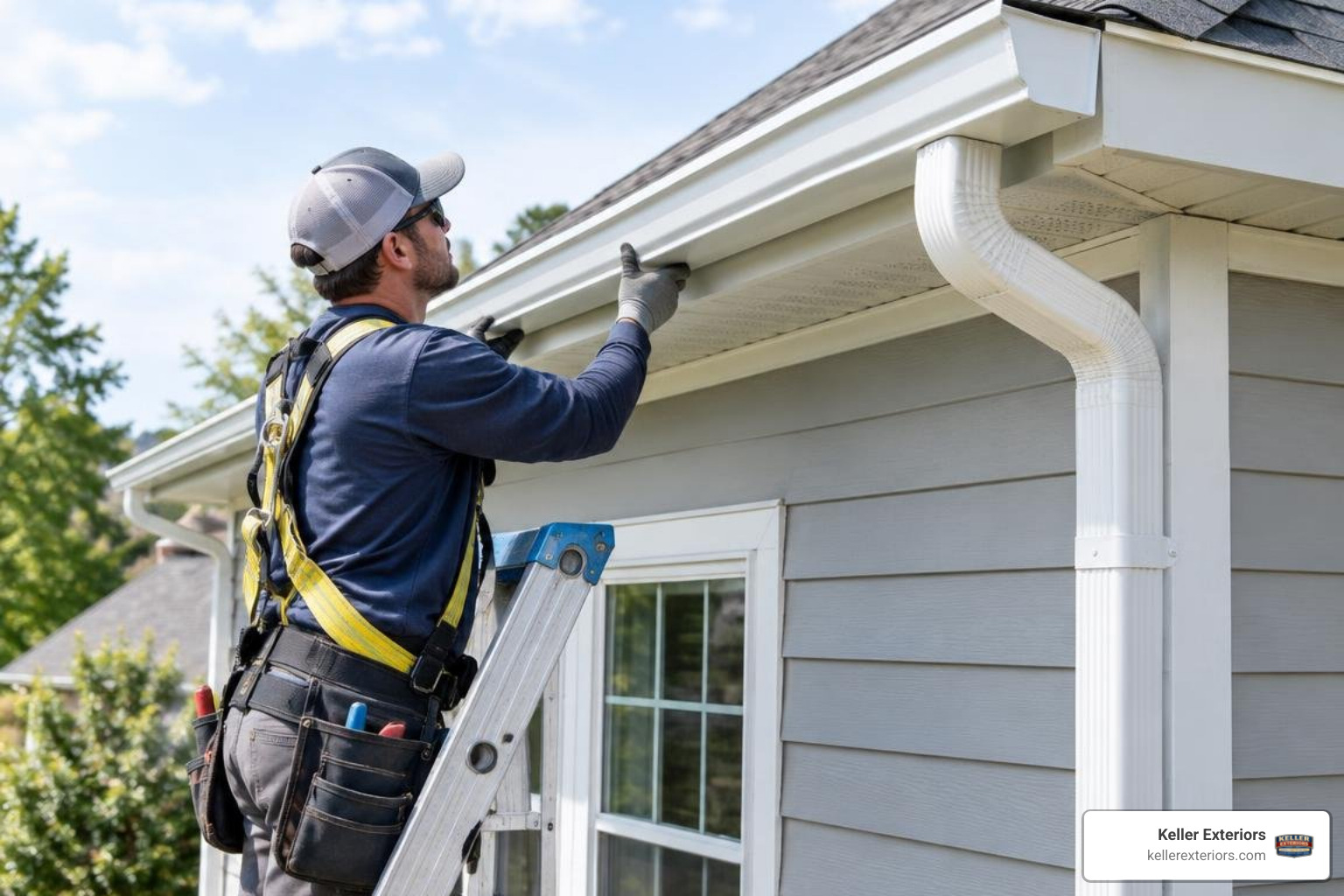
Why Gutter Installation Is One of the Most Important Home Protection Decisions You Can Make
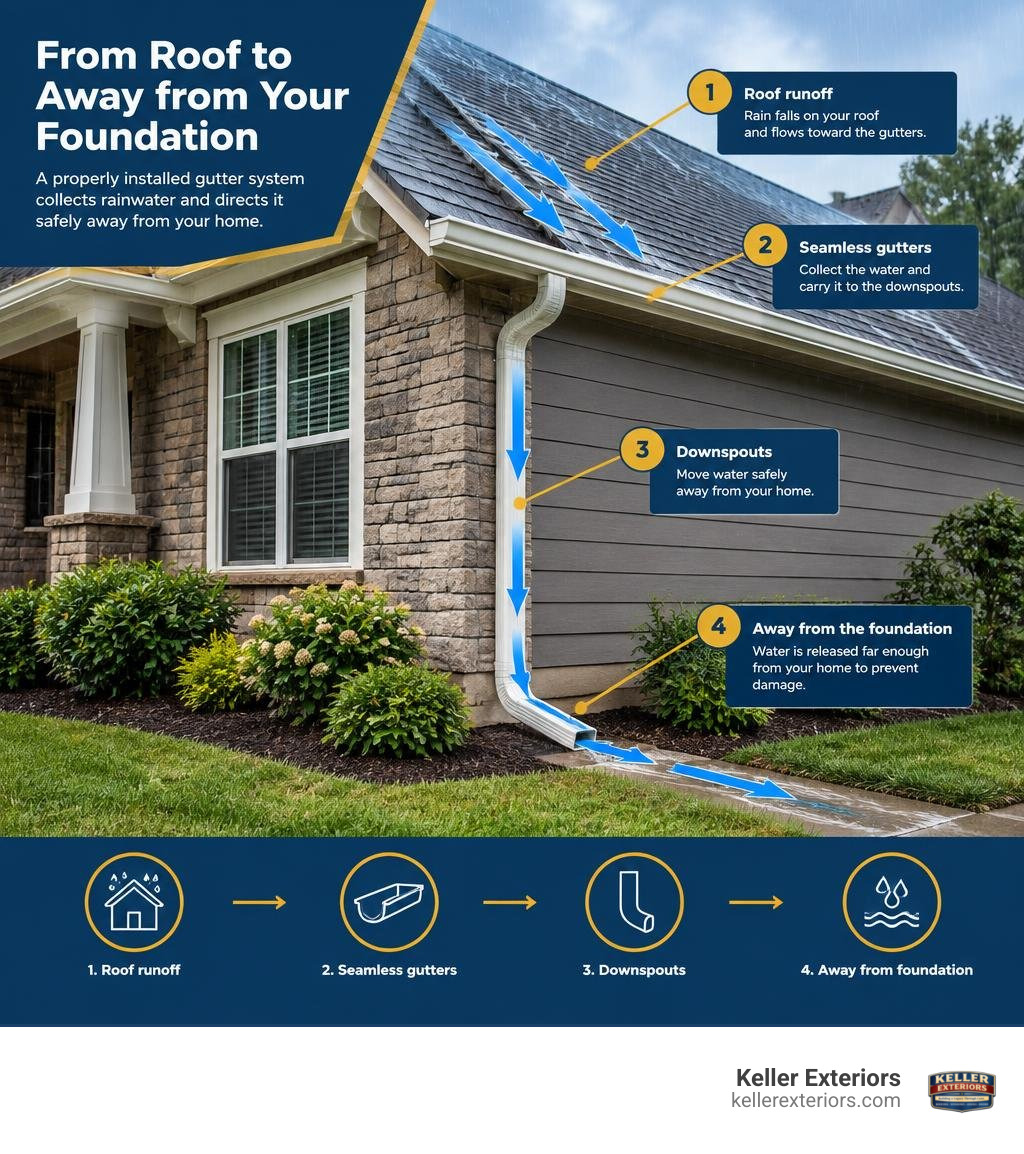
Gutter installation is the process of fitting a system of channels and downspouts along your roofline to direct rainwater safely away from your home’s walls, foundation, and landscaping.
Here’s what you need to know at a glance:
- What it is: A gutter system collects runoff from your roof and routes it away from your home through downspouts
- Why it matters: Water damage accounts for about 29% of all homeowner insurance claims in the U.S.
- Main material options: Aluminum, copper, galvanized steel, and vinyl, with aluminum used in roughly 80% of U.S. homes
- Most common profile: K-style gutters are installed on approximately 75% of American homes
- Seamless vs. sectional: Seamless gutters reduce leakage by up to 80% compared to sectional systems
- Professional cost range: Varies based on home size, materials, and complexity; always get a written estimate
- How long gutters last: Aluminum lasts 20 to 30 years; copper can last 50 years or more
- Maintenance: Clean gutters at least twice a year, in spring and fall
Without a properly designed gutter system, rainwater pools against your siding, soaks into your fascia boards, and works its way toward your foundation. Over time, that leads to cracks, mold, rot, and expensive structural repairs.
A standard 2,000-square-foot roof sheds roughly 1,250 gallons of water for every inch of rainfall. Your gutters are the only thing standing between that volume of water and your home’s structure.
This guide covers everything from material comparisons and gutter profiles to the installation process, gutter guards, downspout planning, and how to choose the right contractor in the Tulsa area.
I’m Robert Keller, owner of Keller Exteriors, and over my 25-plus years in the home improvement industry I’ve overseen hundreds of gutter installation projects across a wide range of home types, roof pitches, and weather conditions. I’ve put this guide together to give you the clear, honest information you need to make the right call for your home.
Why Professional Gutter Installation Matters for Your Home
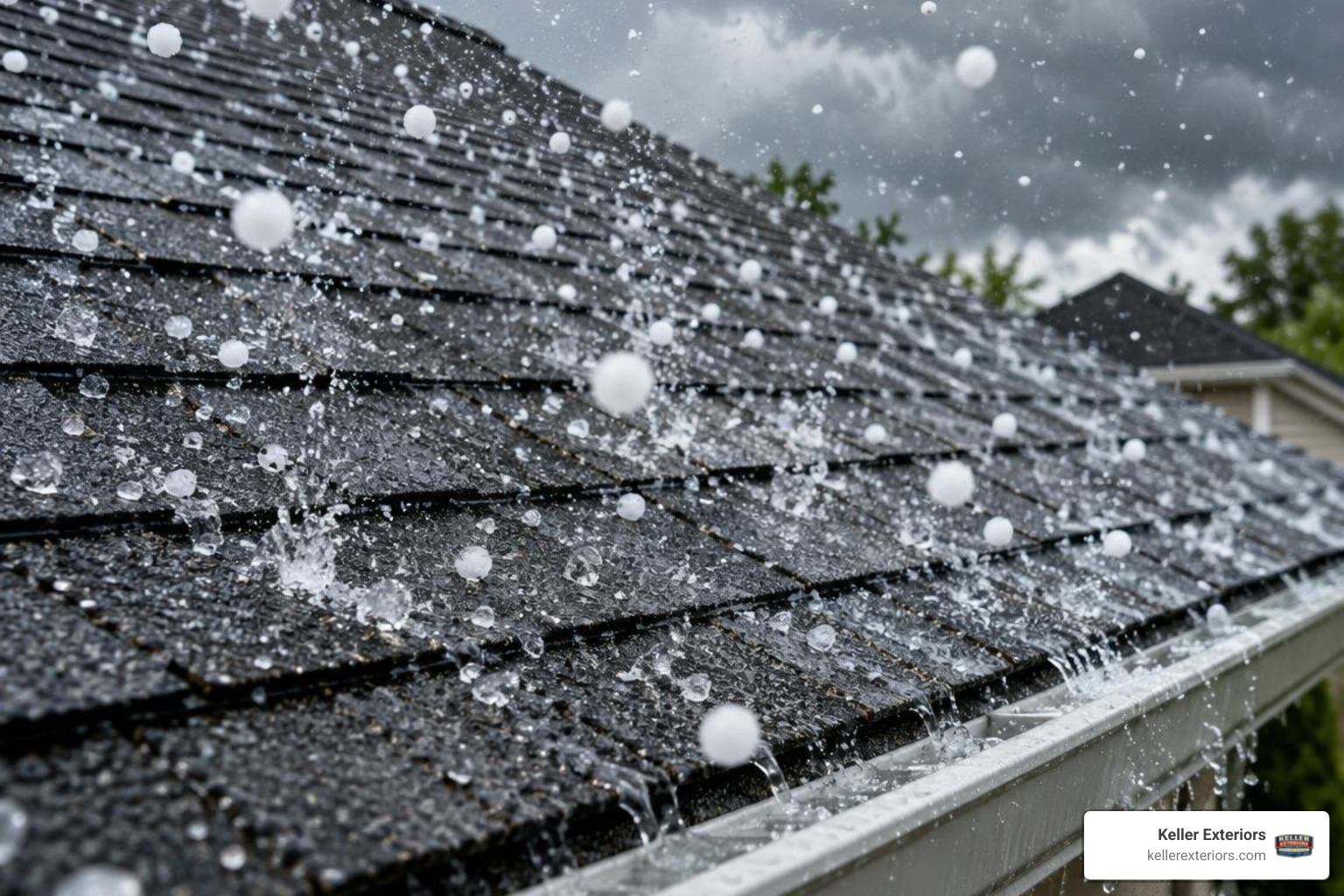
Every time a thunderstorm rolls through northeastern Oklahoma, your roof acts as a massive collector. Without a dependable drainage system, all that water cascades directly down, eroding your flowerbeds, flooding your crawlspace, and cracking your concrete.

Preserving your foundation is the primary job of a gutter system. When water pools around your concrete slab, the soil expands and contracts, which exerts immense hydrostatic pressure. This pressure causes foundation walls to bow, crack, and shift.
By managing water displacement and directing runoff away from your home, you eliminate the risk of soil erosion and basement flooding. Proper water management is why investing in professional gutter installation saves you from the devastating structural damage that makes up 29% of all homeowner insurance claims.
Seamless vs. Sectional Gutter Installation
When planning a gutter project, you must choose between seamless and sectional systems. Sectional gutters come in pre-cut retail lengths that installers piece together on-site using connectors and sealant. While they are easier for DIY projects, they have a major flaw. Every seam is a weak point where thermal expansion and debris buildup can cause failures.
Seamless gutters are custom fabricated on-site from a continuous roll of metal using a specialized mobile extrusion machine. Because they only have seams at the corners, seamless systems reduce leakage by up to 80% compared to sectional systems. They handle thermal expansion much better and last significantly longer, making them the superior choice for modern homes.
When to Replace vs. Repair Your Gutters
How do you know when it is time to replace your gutters instead of patching them up? Look for these critical warning signs:
- Visible sagging or pulling away from the fascia board
- Peeling paint or water stains on your home siding
- Rust spots, cracks, or split seams in the metal
- Mildew, mold, or pooling water in your basement or crawlspace
- Wood rot along your fascia boards or soffit panels
Most standard aluminum systems have a 20-year lifespan. If your gutters are approaching this age and showing multiple failure points, a complete replacement is often more cost-effective than constant, temporary repairs. These repair warning signs can also help you spot problems before water reaches the fascia or foundation.
Factors Influencing Gutter Costs
Gutter replacement costs depend on several key factors rather than a single flat rate. Your total investment is influenced by:
- Linear Footage: The total length of the gutter runs around your roofline.
- Material Selection: Vinyl is the most budget-friendly, aluminum offers the best balance of value and durability, while copper is a premium option.
- Roof Complexity: Multiple gables, steep pitches, and complex rooflines require more labor and specialized fittings.
- Height: Two-story and three-story homes require extra safety equipment and more labor time.
- Fascia Repairs: If your fascia boards are rotted, they must be replaced before hanging new gutters.
For an accurate picture of the investment required for your specific property, request an estimate for gutter installation from a licensed local contractor.
Comparing Gutter Materials, Profiles, and Drainage Systems
Selecting the right combination of materials, shapes, and sizes ensures your gutter system can handle the heaviest Oklahoma downpours.
| Gutter Material | Average Lifespan | Durability | Aesthetic Appeal | Maintenance Needs |
|---|---|---|---|---|
| Aluminum | 20 to 30 Years | High (Rust-Resistant) | High (Many Colors Available) | Low |
| Copper | 50 to 100 Years | Extremely High | Luxury (Develops Patina) | Low |
| Galvanized Steel | 15 to 25 Years | High (Prone to Rust Over Time) | Industrial / Classic | Moderate |
| Vinyl (PVC) | 5 to 10 Years | Low (Cracks in Cold Weather) | Basic | High |
Gutter Materials: Aluminum, Copper, Steel, and Vinyl
Aluminum gutters are the undisputed industry standard, commanding an 80% market share in the United States. Aluminum is lightweight, completely rust-resistant, and available in a wide variety of factory-applied colors. It offers incredible durability at a reasonable cost.
Copper gutters represent the absolute pinnacle of luxury and longevity. Boasting a 50-year lifespan, copper naturally resists corrosion and develops a beautiful green patina over time. It is a stunning choice for historic homes in Midtown, OK, or high-end properties in Forest Ridge, OK.
Galvanized steel gutters are exceptionally strong and resist damage from falling branches or heavy ice, but they require regular maintenance to prevent rust. Vinyl PVC gutters are cheap and easy to snap together, but they become brittle in freezing temperatures and warp under the hot Oklahoma sun, making them a poor choice for permanent residences.
Gutter Profiles: K-Style, Half-Round, and Box
The shape, or profile, of your gutter determines its water capacity and visual style:
- K-Style Gutters: Installed on approximately 75% of American homes. They feature a decorative crown-molding appearance and carry more water than half-round profiles of the same width. A standard 5-inch K-style gutter handles roughly 5,520 square feet of roof area.
- Half-Round Gutters: These classic, U-shaped gutters are common on historic and custom-built homes. They offer a smooth interior that resists clogging, though they have slightly less water capacity than K-style profiles.
- Box Gutters: These industrial-grade gutters are typically reserved for commercial buildings or modern, flat-roof residential designs due to their massive water capacity.
Special Roof Considerations: Metal Roofs and Mobile Homes
Installing gutters on specialized roofs requires extra planning. Metal roofs shed rain and snow incredibly fast. In winter, heavy snow slides can easily rip gutters clean off the fascia. To prevent this, we use heavy-duty brackets, space our hangers closer together, and install snow guards on the roof.
Mobile homes and manufactured homes often lack traditional overhanging eaves or flat fascia boards. For these properties, we utilize specialized hangers that mount directly to the roof edge or integrate with the existing metal trim to ensure a secure fit.
Downspout and Drainage Planning
Your gutters are only as good as their downspouts. Proper downspout sizing is crucial to prevent water from backing up. A standard 2×3-inch downspout can handle roughly 600 square feet of roofing, but we often upgrade local homes to larger 3×4-inch downspouts to handle torrential spring rains.
Downspouts must displace water far enough from your foundation to prevent damage. We recommend routing downspout discharges at least 5 to 10 feet away from your home using splash blocks, hinged extensions, or underground French drains.
Gutter Guards: Types, Performance, and Value
Gutter guards are protective covers installed over your troughs to block leaves and twigs while letting water flow through. Installing high-quality guards can extend your system’s lifespan by 5 to 10 years and reduce your annual maintenance chore.
Micro-mesh guards are the top-performing option on the market. They block 99% of debris, including tiny pine needles and oak tassels. Other options include screen guards, which are affordable but let small debris through, and reverse-curve systems, which use water tension to guide rain into the gutter while shedding leaves.
If your property sits under a heavy tree canopy, gutter guards can reduce the debris that reaches the troughs, but they still need periodic inspection. Comparing gutter options can help you choose a system that fits your roofline and maintenance needs.
The Role of Soffit and Fascia Boards
Your gutters rely entirely on your home’s soffit and fascia boards for structural support. The fascia is the horizontal board that runs along your roof edge, while the soffit is the panel underneath.
If clogged gutters overflow, water backs up behind the metal and rots the wood. Hanging new gutters on soft, rotted fascia boards is a recipe for disaster. The weight of water-filled gutters can pull the screws loose and cause the system to collapse. These fascia repair tips explain why damaged wood should be addressed before new hangers are attached.
Routine Gutter Maintenance and Care
To keep your gutter system functioning perfectly, stick to a regular cleaning schedule:
- Spring Cleaning: Clean your gutters in late spring to clear out oak tassels, seed pods, and blossoms.
- Fall Cleaning: Clean them in late fall after all the leaves have dropped.
- Ladder Safety: Always use a sturdy ladder with a stabilizer bar, wear gloves, and work with a partner.
- Clog Prevention: Scoop out large debris, flush the troughs with a garden hose, and check that downspouts are clear.
Protecting Your Investment with Local Exterior Experts
While some home improvement projects are great weekend DIY tasks, gutter work carries significant risks that make professional service the smart choice.

DIY vs. Professional Installation
Every year, ladder accidents send approximately 164,000 people to the emergency room in the United States. Working at heights while balancing long, awkward metal channels is incredibly dangerous.
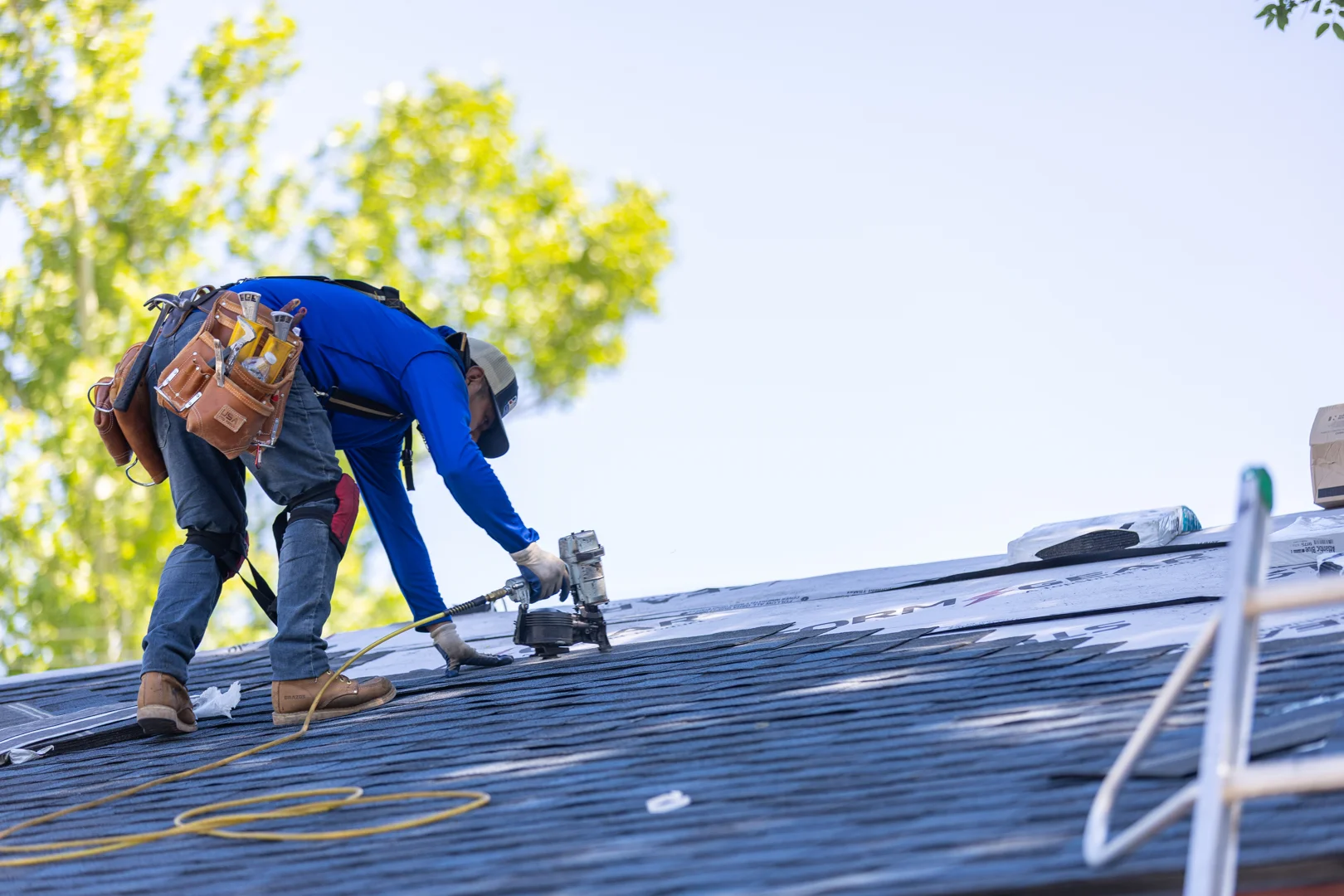
Furthermore, DIY sectional gutters are highly prone to leaks and sagging if the slope is off by even a fraction of an inch. Professional installers have the specialized tools, safety harnesses, and heavy-duty equipment needed to complete the job safely and flawlessly. The work requires careful measurement, correct slope, secure fastening, and safe ladder practices.
Step-by-Step Professional Gutter Installation Process
When our team handles your project, we follow a strict, proven process:
- On-Site Fabrication: We bring our mobile gutter machine to your property and roll-form seamless gutters to the exact measurements of your roofline.
- Slope Marking: We calculate and mark the precise slope, ensuring a minimum drop of 1/4 inch per 10 feet toward the downspouts.
- Fascia Preparation: We inspect the wood and install a protective drip edge if needed.
- Hanging: We secure the gutters using hidden hangers screwed directly into your roof’s rafter tails every 2 feet for maximum strength.
- Downspout Integration: We cut clean downspout holes, seal the outlets, and secure the downspouts with heavy-duty straps.
- Water Testing: We run water through the system to verify perfect drainage and check for leaks.
How to Choose a Reputable Gutter Contractor
Do not trust your home to a fly-by-night contractor. When vetting local companies, ensure they have:
- Active state licensing and comprehensive liability insurance
- Strong manufacturer warranties on materials and a solid workmanship warranty
- A permanent local office and a trusted reputation in the community
To learn more about our local roots, values, and commitment to quality craftsmanship, check out our About Us page.
Best Time of Year for Gutter Projects
While we install gutters year-round, spring and fall are the busiest seasons. Scheduling your installation during late summer or winter often allows you to secure faster booking times and take advantage of off-season scheduling windows.
Whether you need service in Broken Arrow, OK, or are looking for assistance in neighboring communities, we are here to help. You can view our local service areas, including our coverage in Mayes County, on our Areas We Serve page.
Frequently Asked Questions About Gutter Systems
How long do aluminum gutters typically last?
Aluminum gutters generally last between 20 to 30 years. Their natural resistance to corrosion and rust makes them incredibly durable, though their actual lifespan depends on how well you maintain them and keep them free of heavy debris.
Why are seamless gutters better than sectional ones?
Seamless gutters are fabricated from a single piece of metal on-site, which eliminates the seams along straight runs. Because they lack joints, they reduce the risk of leaks by up to 80% and are much less likely to trap leaves and debris compared to sectional systems.
What is the correct slope for rain gutters?
The industry standard for gutter slope is a minimum of 1/4 inch of drop for every 10 feet of gutter run. Proper sloping is critical because too little slope causes standing water and ice dams, while too much slope makes water overshoot the downspouts.
How often should I clean my gutters?
You should clean your gutters at least twice a year, once in the spring and once in the late fall. If your home is surrounded by dense pine trees or large oaks, you may need to clean them three or four times a year to prevent blockages.
Do gutter guards completely eliminate the need for cleaning?
No gutter guard completely eliminates maintenance, but high-quality micro-mesh guards block up to 99% of debris. They reduce your cleaning frequency from multiple times a year to a simple rinse or light brush-off once every few years.
How many downspouts does a standard home need?
As a rule of thumb, you need at least one downspout for every 30 to 40 feet of gutter. If your roof has a steep pitch or a complex layout, you may need additional downspouts to handle the rapid water runoff and prevent overflows.
Can I install gutters on a metal roof?
Yes, but metal roofs require heavy-duty brackets and closer hanger spacing to withstand sliding snow and ice. We also recommend installing snow guards on your metal roof to prevent heavy sheets of snow from ripping the gutters down.
What happens if I do not replace rotting fascia boards before installation?
If you mount new gutters to rotting wood, the screws will eventually pull loose under the weight of water and debris. This causes the gutters to sag, pull away from the home, and eventually collapse, which can ruin your brand-new system.
How much does professional gutter installation cost per foot?
The cost per foot depends on the material you choose, the height of your home, and the complexity of your roofline. Aluminum is highly cost-effective, while copper represents a premium custom option. Requesting a professional estimate is the best way to get accurate pricing.
Why should I hire a professional instead of doing a DIY installation?
Professional installers have the training and safety equipment to prevent dangerous ladder falls. They also custom-extrude seamless gutters on-site, calculate precise drainage slopes, and provide warranty coverage that DIY retail gutters cannot match.
Safeguard Your Home with Keller Exteriors
Investing in a high-quality gutter system is one of the smartest ways to protect your home from foundation damage, siding rot, and costly erosion. At Keller Exteriors, we bring over 20 years of local experience to every project, offering a trusted local team for your exterior needs. Whether you need gutter improvements or a complete roof replacement, we are committed to delivering lasting solutions and exceptional service. Contact our team to schedule your professional exterior consultation.