Why Gutter Fascia Repair Matters Before Your Next Storm
Gutter fascia repair protects your home from severe water damage and structural issues. Homeowners often overlook this critical exterior maintenance task, yet it determines how well your entire roofline withstands heavy weather.
Quick Answer: Gutter Fascia Repair at a Glance
- Inspect your fascia boards for soft wood, peeling paint, water stains, or gutters pulling away from the roofline.
- Remove the gutters and drip edge to expose the full fascia board.
- Replace rotted or structurally compromised boards with pressure-treated pine, cedar, PVC, or fiber cement.
- Seal all joints and exposed wood with exterior-grade caulk or primer.
- Reinstall the drip edge and gutters once the new fascia is secure and cured.
- Address the root cause, whether it is clogged gutters, a missing drip edge, or a roof leak, to prevent the damage from returning.
Your fascia board is the long, flat board that runs horizontally along the edge of your roof. It serves as the mounting surface for your gutter system. When this board fails, your gutters sag, water runs behind the roofline, and your rafters begin absorbing moisture.
This problem catches most homeowners off guard. From the ground, everything can look fine. The gutters appear level, and the paint looks intact. However, once you remove the gutters, the true story emerges. In fact, roughly 40% of gutter installation quotes include a fascia repair line item because the rot hiding behind the gutter only becomes visible after removal.
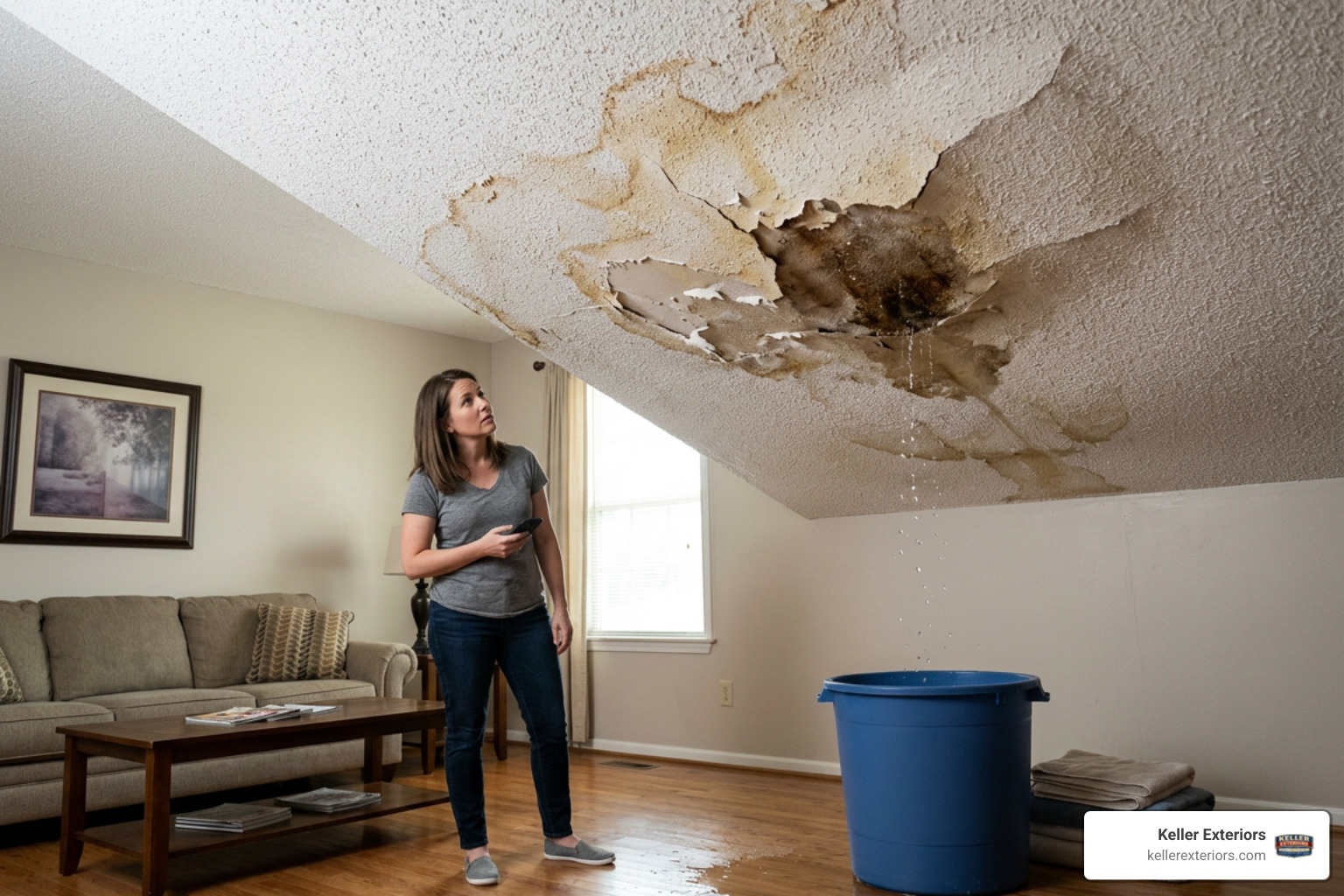
Ignoring fascia damage does not just risk your gutters. It risks your roof decking, your attic, and your interior walls.
In Tulsa, OK and the surrounding areas, the combination of heavy spring rains, summer heat, and winter freeze-thaw cycles puts fascia boards under constant stress. The damage builds slowly, and by the time you notice it, the repair scope has already grown.
At Keller Exteriors, our team has more than 20 years of experience working on exterior systems, including hundreds of gutter fascia repair and replacement projects across the region. We walk job sites personally to ensure high-quality results. We often see damage that started small and grew because the homeowner did not fix the underlying cause.
This guide walks you through everything you need to know to protect your roofline the right way.
What Is a Roof Fascia Board and Why Is It Critical?
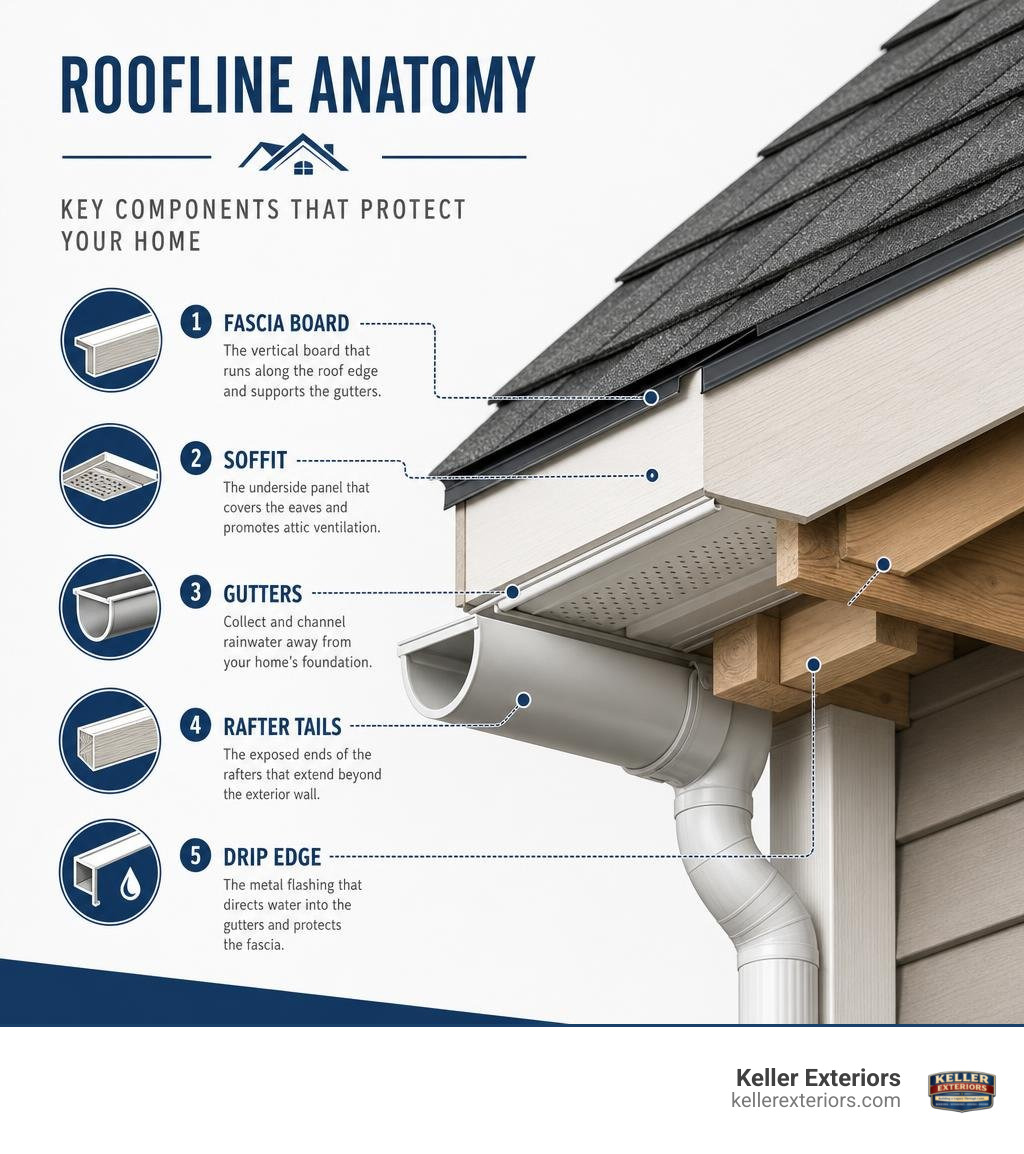
The roofline of your home is a complex, interconnected system where every component has a specific job. The fascia board is a crucial element of this defense system. It acts as the physical barrier between the interior structure of your roof and the harsh outdoor elements.
Running horizontally along the eaves, the fascia board covers the ends of the roof rafters. It creates a clean, finished edge for your home while blocking water, wind, and pests from entering your attic. Without a sturdy fascia board, the ends of your wooden rafters remain completely exposed to rain, humidity, and nesting animals.
Beyond aesthetics, the fascia board provides structural support for your gutter system. This board is the only surface sturdy enough to hold heavy gutter brackets and hangers. When your fascia board degrades, your entire roofline integrity suffers.
The Structural Role of Fascia in Gutter Support
Your gutters carry a tremendous amount of weight during heavy rainstorms. A single foot of standard gutter filled with water can weigh up to eight pounds. In addition to water, gutters often accumulate heavy debris, wet leaves, and winter ice.
Fascia boards distribute this weight evenly across the ends of the roof rafters. Gutter hangers screw directly through the back of the gutter channel and deep into the fascia board. If the wood in the fascia board softens or rots, the gutter hangers lose their grip.
When hangers lose their physical connection to the wood, the gutters begin to sag. This sagging disrupts the natural slope of your gutter system, which prevents proper water runoff. Instead of flowing toward the downspouts, water pools in the sagging sections, which accelerates the rot.
If you live in Owasso, OK and notice your gutters pulling away during heavy spring rains, our team can inspect your roofline to determine if you need a simple adjustment or a complete replacement.
Fascia vs. Soffit: Understanding the Difference
Homeowners often confuse fascia and soffit because they sit right next to each other on the roof eave. However, they perform very different functions.
- Fascia boards run vertically along the edge of your roof. They face outward, are clearly visible from the street, and serve as the direct mounting point for your gutters.
- Soffit boards install horizontally underneath the eave, bridging the gap between the exterior wall of your home and the back of the fascia board.
While the fascia acts as a shield against weather, the soffit focuses on attic ventilation. Soffit panels contain small vents that allow cool, fresh air to enter the lower portion of your attic. This airflow pushes hot, humid air out through your ridge vents at the top of the roof.
This continuous ventilation prevents moisture buildup in your attic, which lowers your energy bills and protects your roof decking from dry rot. Both components work together to protect your rafters and keep pests out of your home. Maintaining both elements ensures your home remains energy-efficient and structurally sound throughout the changing seasons.
Common Signs You Need Gutter Fascia Repair
Identifying fascia damage early can save you from paying for costly structural repairs later. Because gutters block your view of the fascia board, you must look closely for subtle warning signs of trouble.

Identifying Wood Rot and Moisture Damage
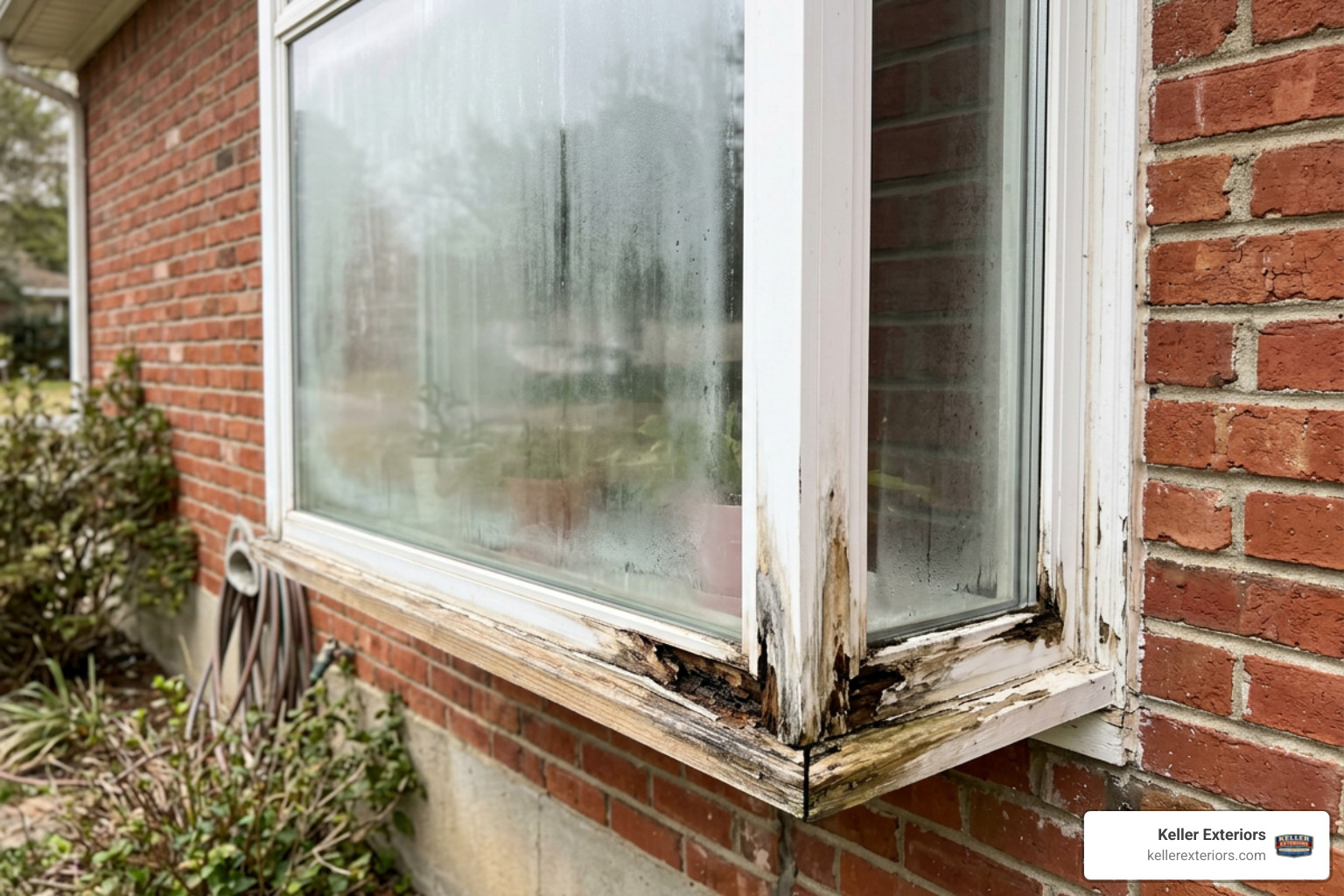
Wood rot is the most common threat to your fascia. When water repeatedly overflows from your gutters, it wicks backward into the wooden fascia board.
To spot wood rot from the ground, look for:
- Peeling, cracking, or bubbling paint along the roofline.
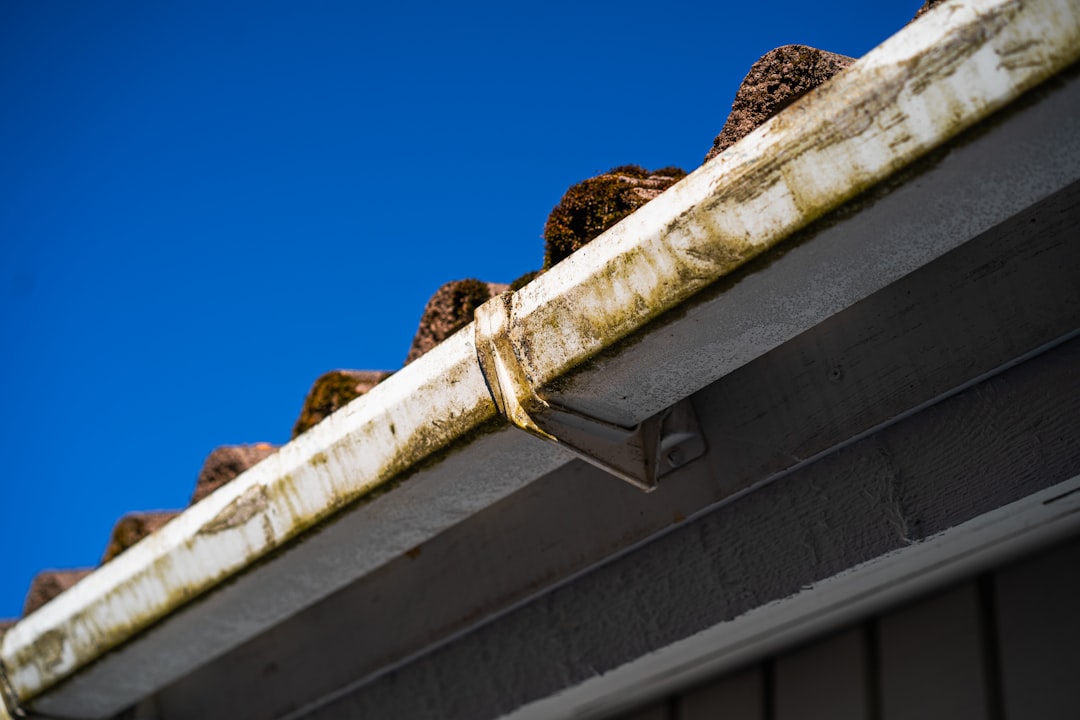
- Dark water stains or green algae growth on the wood.
- Crumbling timber or soft spots where the wood looks spongy.
- Fungal growth or mold spores spreading along the bottom edge of the board.
If you suspect damage, you can perform a simple physical test. Take a flathead screwdriver or a thin putty knife and gently press it against the underside of the fascia board. If the tool sinks easily into the wood, you have localized rot that requires immediate gutter fascia repair. Do not ignore these soft spots, as they will quickly spread to adjacent boards and rafter tails.
Sagging Gutters and Pulling Hardware
When a fascia board loses its structural strength, the heavy hardware holding your gutters in place will start to fail. You might notice your gutter line looks wavy or uneven from the street.
Loose hangers and visible gaps between the back of the gutter and the fascia board are clear signs of structural failure. If you see water spilling over the back of your gutters during rainstorms, the wood behind them has likely softened to the point where it can no longer hold the weight of the system. This issue requires prompt attention before the entire gutter system collapses under the weight of a heavy downpour.
What Causes Fascia Board Damage?
Fascia boards do not fail on their own. Damage is almost always a secondary symptom of a failure elsewhere in your roofing or gutter system. Understanding these root causes helps you prevent future issues.
Clogged Gutters and Water Backups
Clogged gutters are the leading cause of fascia rot. When leaves, twigs, and shingle grit accumulate in your gutters, they block the flow of water to the downspouts.
During heavy rains, the standing water has nowhere to go. It backs up over the rear edge of the gutter and pools directly against the fascia board. Because wood is porous, it acts like a sponge, absorbing this constant moisture. Over time, this continuous exposure breaks down the wood fibers, leading to rapid rot development. Regular gutter cleaning prevents this water backup and extends the lifespan of your fascia.
Pest Infestations and Weather Exposure
Damaged or soft fascia boards are highly attractive to local pests. Squirrels, mice, and birds look for soft spots along your roofline to chew through and build nests in your attic. Wasps and hornets also love to build nests under the protected eaves of your home.
Additionally, Oklahoma weather presents unique challenges. The extreme heat of the summer sun bleaches and cracks protective paint coatings, leaving the wood vulnerable to moisture.
In the winter, freeze-thaw cycles create ice dams. When melted snow refreezes at the cold edge of your roof, it forces water backward under your shingles and directly into your fascia board, causing severe structural damage. Protecting your roofline with a proper drip edge helps mitigate these weather-related risks.
Step-by-Step Guide to Gutter Fascia Repair and Replacement
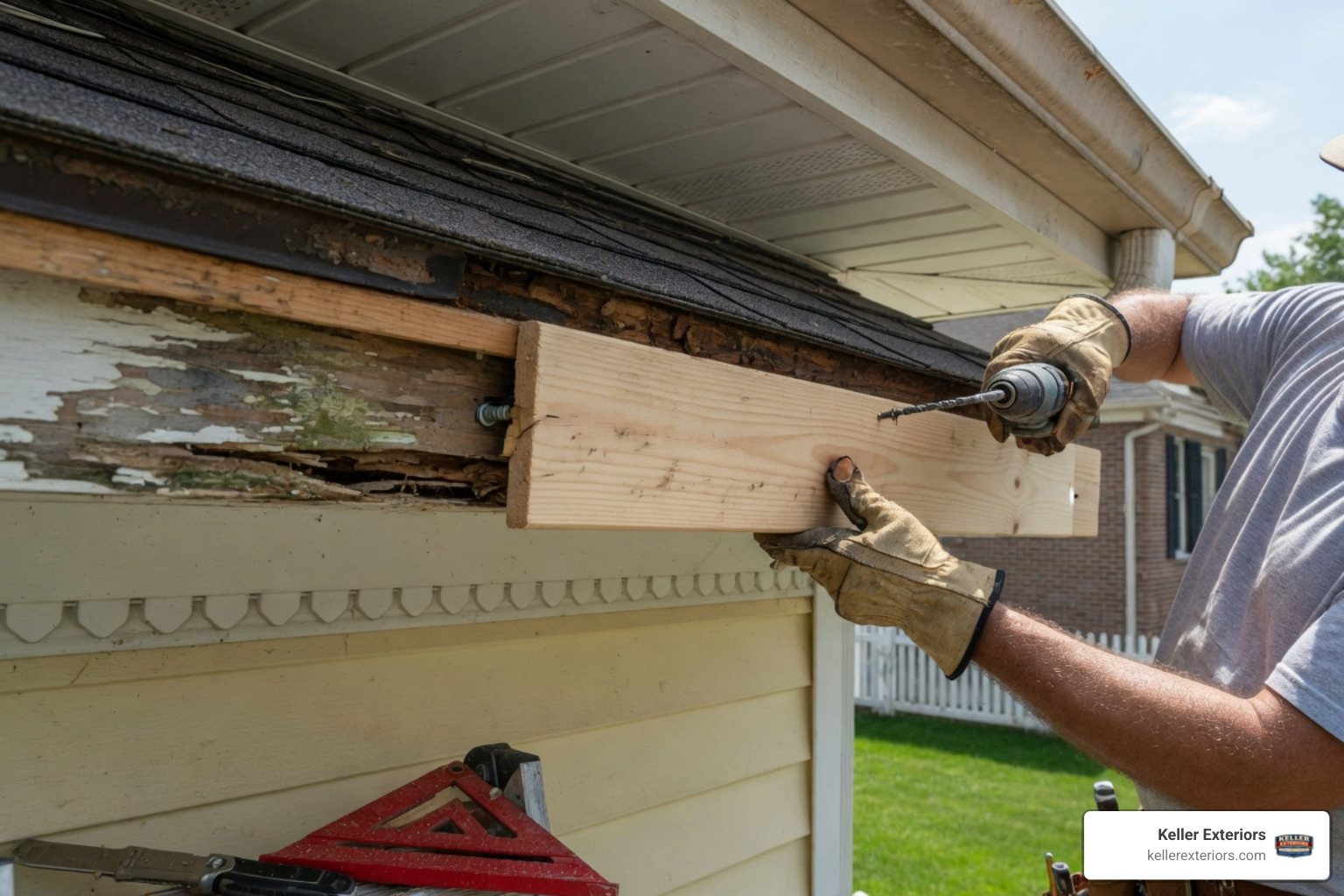
When you discover damaged wood along your roofline, you must act quickly. Leaving a rotted board in place allows the moisture to travel into your rafter tails, which can compromise your entire roof structure.
How to Choose the Best Materials for Gutter Fascia Repair
Selecting the right replacement material is critical to ensuring your new fascia lasts for decades. Here is how the most common materials compare:
| Material | Pros | Cons | Best For |
|---|---|---|---|
| Cedar / Redwood | Naturally rot and insect resistant; beautiful natural look. | More expensive than pine; requires regular sealing. | High-end homes where wood grain is visible. |
| Pressure-Treated Pine | Very affordable; treated to resist rot and pests; highly durable. | Can warp or twist if not allowed to dry properly before painting. | Standard residential installations under gutters. |
| PVC (Polyvinyl Chloride) | Completely waterproof; will never rot, warp, or split; zero maintenance. | Higher upfront cost; expands and contracts with temperature changes. | Homeowners looking for a permanent, low-maintenance solution. |
| Fiber Cement | Fireproof; immune to rot and pests; holds paint exceptionally well. | Heavy and brittle during installation; requires specialized tools to cut. | Modern homes looking for long-term fire protection. |
Using a thin aluminum fascia wrap over your wood boards is another excellent option. This metal capping seals the underlying wood away from the elements, eliminating the need for periodic repainting.
Step-by-Step Fascia Board Replacement Process
If you have advanced carpentry skills and feel comfortable working on ladders, you can tackle this project by following these steps:
- Inspect the entire run: Walk your roofline to identify all damaged sections. Ensure you purchase enough replacement material to span at least two rafter tails for any section you replace.
- Remove the gutters: Carefully detach the gutter brackets and lower the gutter section. Do not let the gutters hang from a single hanger, as this will bend the metal.
- Remove the drip edge: Pry up the metal drip edge flashing along the eave to expose the top of the fascia board.
- Cut out the damaged board: Use a circular saw to cut out the rotted section. Always make your cuts directly over the center of a rafter tail so you have a solid surface to nail the new board into.
- Inspect the rafter tails: Check the exposed ends of your roof rafters. If the wood is soft or rotted, you must sister a new piece of treated wood to the side of the rafter before proceeding.
- Measure and cut the new board: Measure the gap precisely and cut your replacement board to size.
- Secure the new board: Fasten the new fascia board to the rafter tails using galvanized casing nails or exterior-grade screws. Ensure the board sits flush and level with the rest of your roofline.
- Seal and paint: Apply a high-quality exterior caulk to all joints and seams. Prime and paint the wood with premium exterior paint to protect it from moisture and UV rays.
- Reinstall the gutters and drip edge: Once the paint has dried, reinstall your metal drip edge and mount your gutters, ensuring they have the correct downward pitch toward the downspouts.
Protect Your Home with Professional Gutter and Roof Care
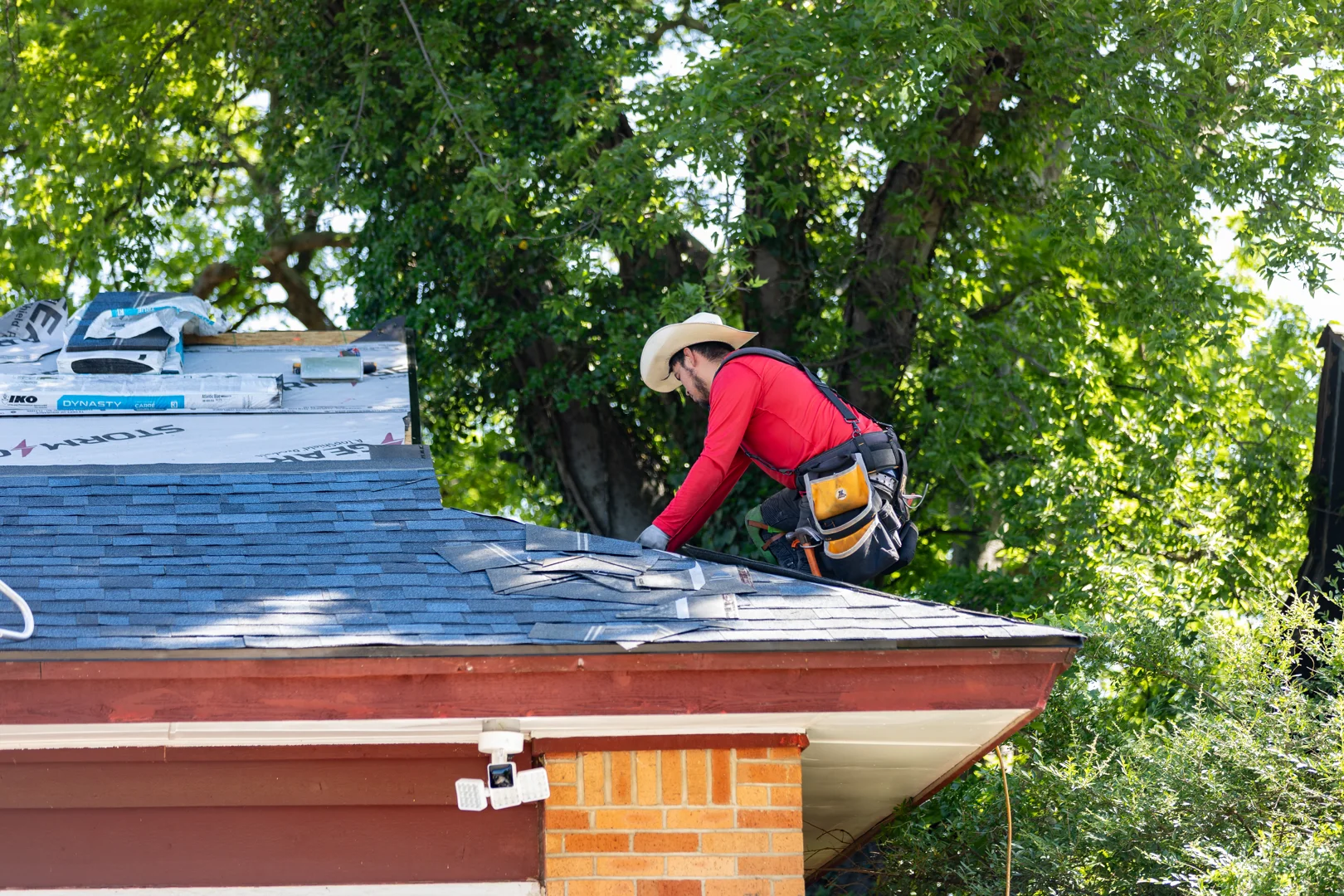
While a small, localized repair is achievable for some homeowners, replacing large sections of fascia board is a challenging and physically demanding task. Working on a ladder while handling heavy, long wooden boards carries significant safety risks.
If you find that your roof decking or shingles are also showing signs of wear during this process, it is wise to learn more about professional roof replacement services to ensure your entire home remains dry and protected.
Why Professional Gutter Fascia Repair Beats DIY
Ladders must reach at least three feet above your roofline and sit on stable, level ground to ensure your safety. For multi-story homes, the physical risk of falling far outweighs the cost of hiring experienced professionals.
Professionals also possess the specialized tools required to complete the job quickly and accurately. We use heavy-duty aluminum brakes to custom-bend fascia wrap on-site, ensuring a perfect fit.
Furthermore, setting the correct pitch on your gutters requires precision. If your gutters are off by even a fraction of an inch, water will pool and ruin your brand-new fascia board within a few seasons.
If you are located near Broken Arrow, OK, our team provides reliable, efficient service to keep your home in top shape.
Frequently Asked Questions About Gutter Fascia Repair
What is the main purpose of a roof fascia board?
The main purpose of a roof fascia board is to act as a protective barrier for your roofline. It seals off the ends of your wooden rafters from water, wind, and pests. It also provides the strong structural foundation required to mount and support your gutter system.
How do I know if my fascia board is rotting?
You can identify rotting wood by looking for peeling paint, dark water stains, green algae, or crumbling timber along your roofline. If you press a flathead screwdriver against the wood and it sinks in easily, your fascia has rot and needs replacement.
Can you perform gutter fascia repair without removing the gutters?
No. You cannot perform a proper repair or replacement without removing the gutters. The gutters block access to the front and top of the fascia board. Attempting to patch wood behind active gutters will fail to address the hidden rot beneath the hardware.
What is the best material for replacing damaged fascia boards?
The best material depends on your budget and goals. Pressure-treated pine is highly durable and affordable, while cedar offers natural rot resistance. For a zero-maintenance option, PVC or aluminum-wrapped wood is the best choice because they will never rot.
How much does it typically cost to repair or replace fascia boards?
The total cost of your project will vary depending on the size of your home, the height of your roofline, and the materials you choose. Replacing a short, localized section is highly affordable, while a full-home replacement requires a larger investment.
How long does a typical fascia repair or replacement project take?
Most residential fascia repair projects take between one and two days to complete. The timeline depends on the length of the run, the height of the home, and whether we need to repair damaged rafter tails behind the board.
What is the difference between fascia and soffit?
Fascia is the vertical board that runs along the edge of your roof where your gutters mount. Soffit is the horizontal board that sits underneath the eave, bridging the gap to your exterior wall to provide attic ventilation.
Can clogged gutters really cause my fascia boards to rot?
Yes. Clogged gutters hold standing water that wicks backward into the wooden fascia board. This constant moisture breaks down the wood fibers, leading to rapid rot, mold growth, and eventual structural failure.
Should I repair or fully replace my damaged fascia boards?
If the damage is localized to a small area and the rest of the board is structurally sound, a targeted repair is appropriate. However, if the wood is bowing, soft in multiple places, or over 20 years old, a full replacement is the safer choice.
Why should I hire a professional instead of doing a DIY fascia repair?
Hiring a professional ensures your safety on tall ladders and guarantees that your gutters are reinstalled with the correct pitch. Professionals also carry warranty protection and use specialized tools to complete the work correctly the first time.
Secure Your Roofline Today
Protecting your home from water damage starts with a strong, dry, and stable roofline. If you notice sagging gutters, peeling paint, or soft wood along your eaves, do not wait for the next storm to cause more expensive damage. Whether you need gutter fascia repair, gutter support, or roofline protection, the experienced team at Keller Exteriors is ready to help you restore your home’s structural integrity. Schedule your professional roof replacement services today to ensure your home remains safe and dry all year long.