
Why Concrete Tile Roof Maintenance Is the Key to a Roof That Lasts
Concrete tile roof maintenance is one of the most important things you can do to protect a roof that’s built to last 50 years or more. Concrete tile roofs are durable, energy-efficient, and genuinely beautiful. But like any major home system, they need regular attention to reach their full potential.
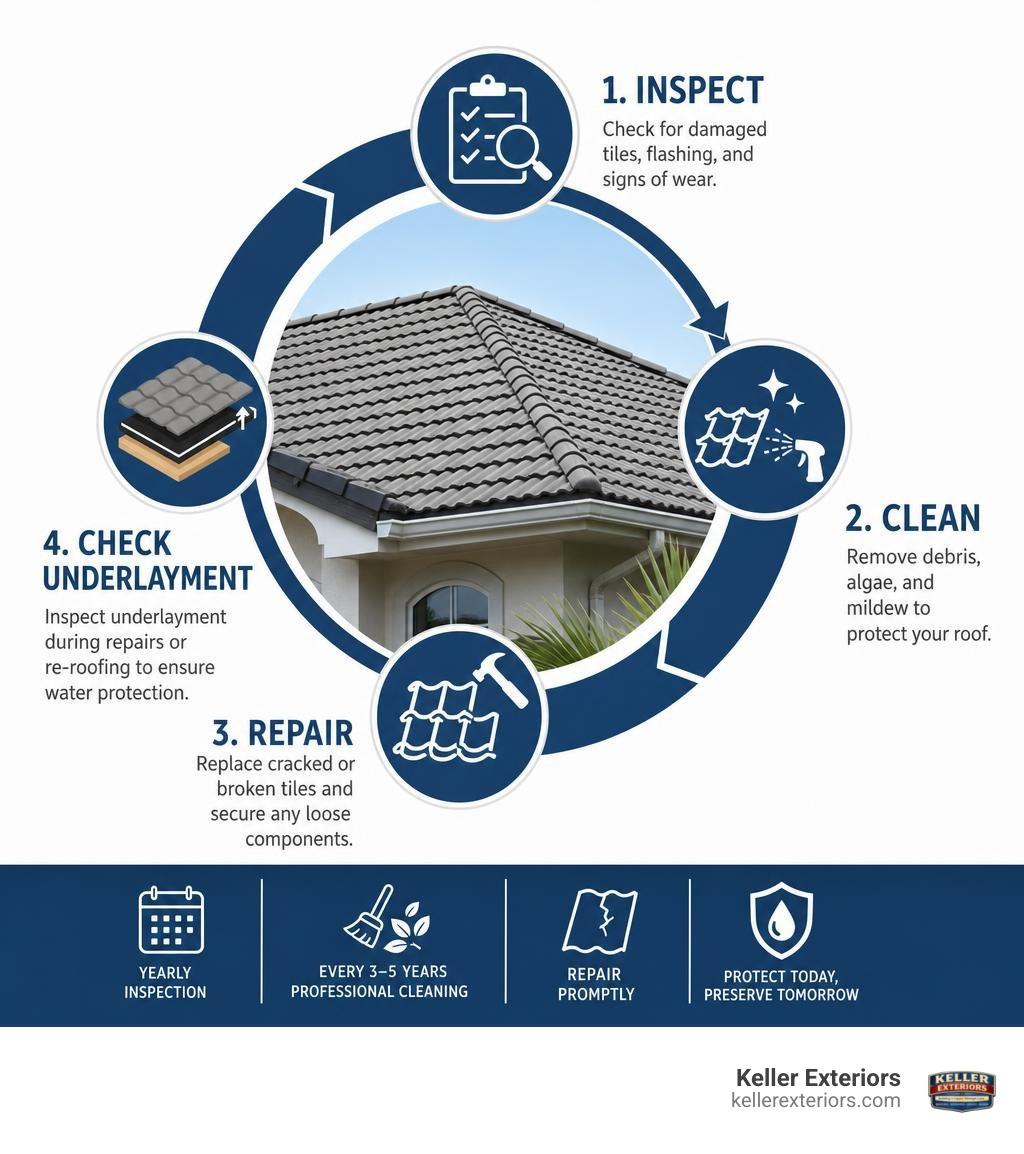
Here’s a quick summary of what proper concrete tile roof maintenance involves:
- Inspect your roof at least once a year, or after any major storm
- Clean professionally every 3 to 5 years to remove algae, mildew, and debris
- Replace broken or cracked tiles as soon as you spot them
- Clear gutters and downspouts regularly to prevent water backup
- Avoid walking on tiles or using pressure washers without professional help
- Check the underlayment during any repair or re-roofing work
- Treat moss, algae, and mildew with appropriate low-pressure chemical methods
Without consistent care, even the toughest concrete tile roof can develop leaks, broken tiles, organic growth, and underlayment damage that shortens its lifespan and costs far more to fix.
The good news? Most of these problems are preventable with a simple, consistent routine.
I’m Robert Keller, owner of Keller Exteriors, and with more than 25 years of hands-on experience in the home improvement industry, I’ve seen how a solid concrete tile roof maintenance plan can add decades to a roof’s life. In this guide, I’ll walk you through everything you need to know to protect your investment from the top down.
Common Issues That Affect Concrete Tile Roofs Over Time
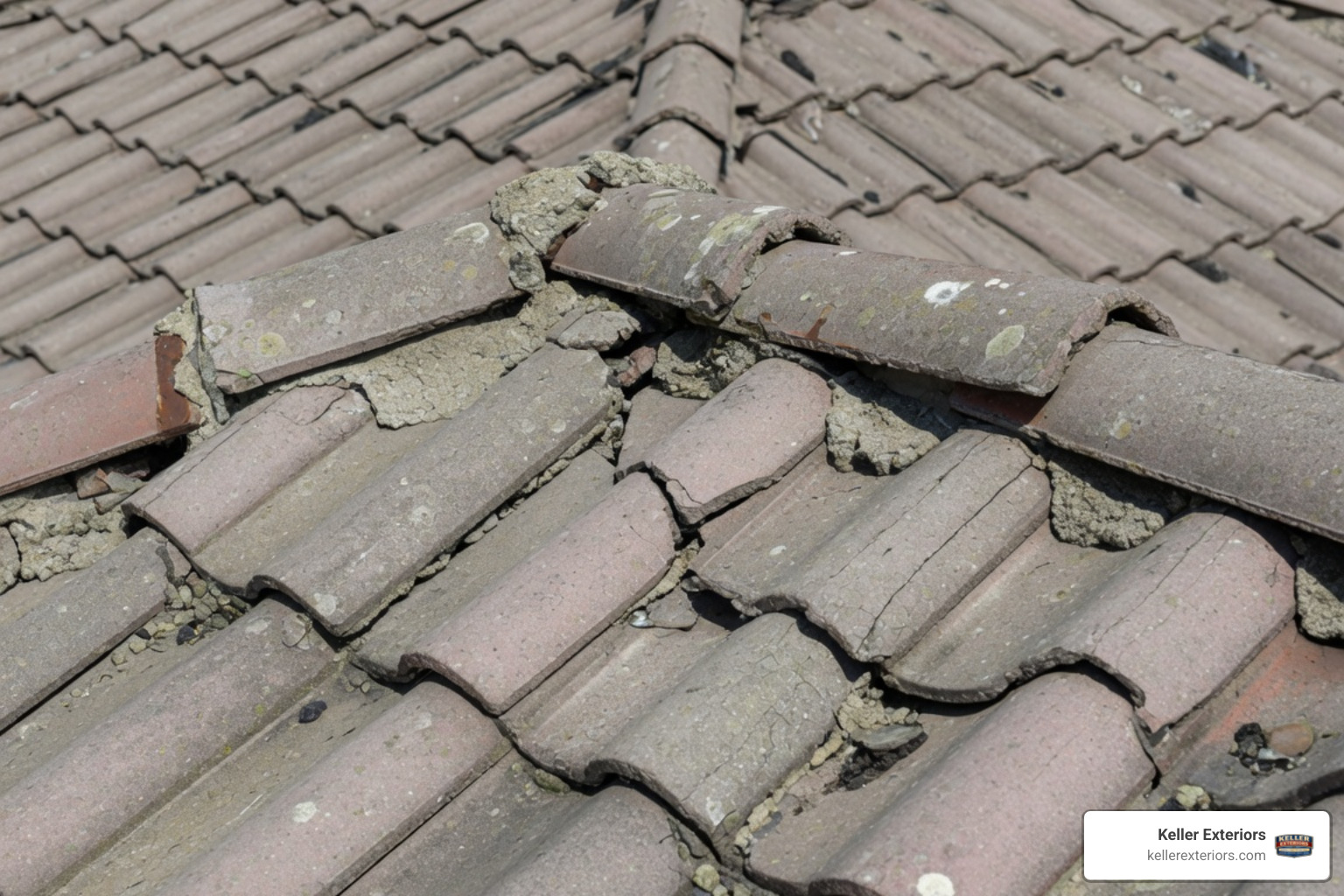
While concrete tiles are incredibly tough, they are constantly exposed to the elements. Over time, weather, biological growth, and physical wear can take a toll on your roof. Understanding these common issues is the first step in protecting your home.
Understanding Efflorescence on Concrete Tiles
If you notice a white, chalky residue on your concrete tiles, do not panic. This is a natural phenomenon known as efflorescence. It occurs when free lime (calcium hydroxide) within the concrete reacts with water and carbon dioxide. As moisture evaporates from the tile surface, it leaves behind temporary calcium carbonate salt deposits.
Efflorescence is purely cosmetic. It does not affect the structural integrity or quality of the tiles. In most cases, natural weathering from rain and atmospheric carbon dioxide will wash it away over time.
Algae, Moss, and Mildew Growth
Unlike efflorescence, organic growth like algae, moss, and mildew can cause real physical problems. Dust, dirt, and organic debris naturally accumulate on the surface of concrete tiles. When moisture gets trapped in this debris, it creates the perfect breeding ground for biological organisms.
In humid regions or shaded areas under overhanging trees, green or black streaks of algae can spread quickly. Moss is especially dangerous because it holds water against the tiles and can lift the edges of overlapping tiles, allowing water to penetrate the roof system. Over time, this constant moisture retention can contribute to surface erosion and premature tile degradation.
Broken Tiles and Underlayment Deterioration
Concrete tiles are heavy and strong, but they can be fragile under direct impact. Severe weather, such as the intense hailstorms we experience in Tulsa, OK, can crack or break tiles. Falling tree branches and improper foot traffic are other common causes of physical damage.
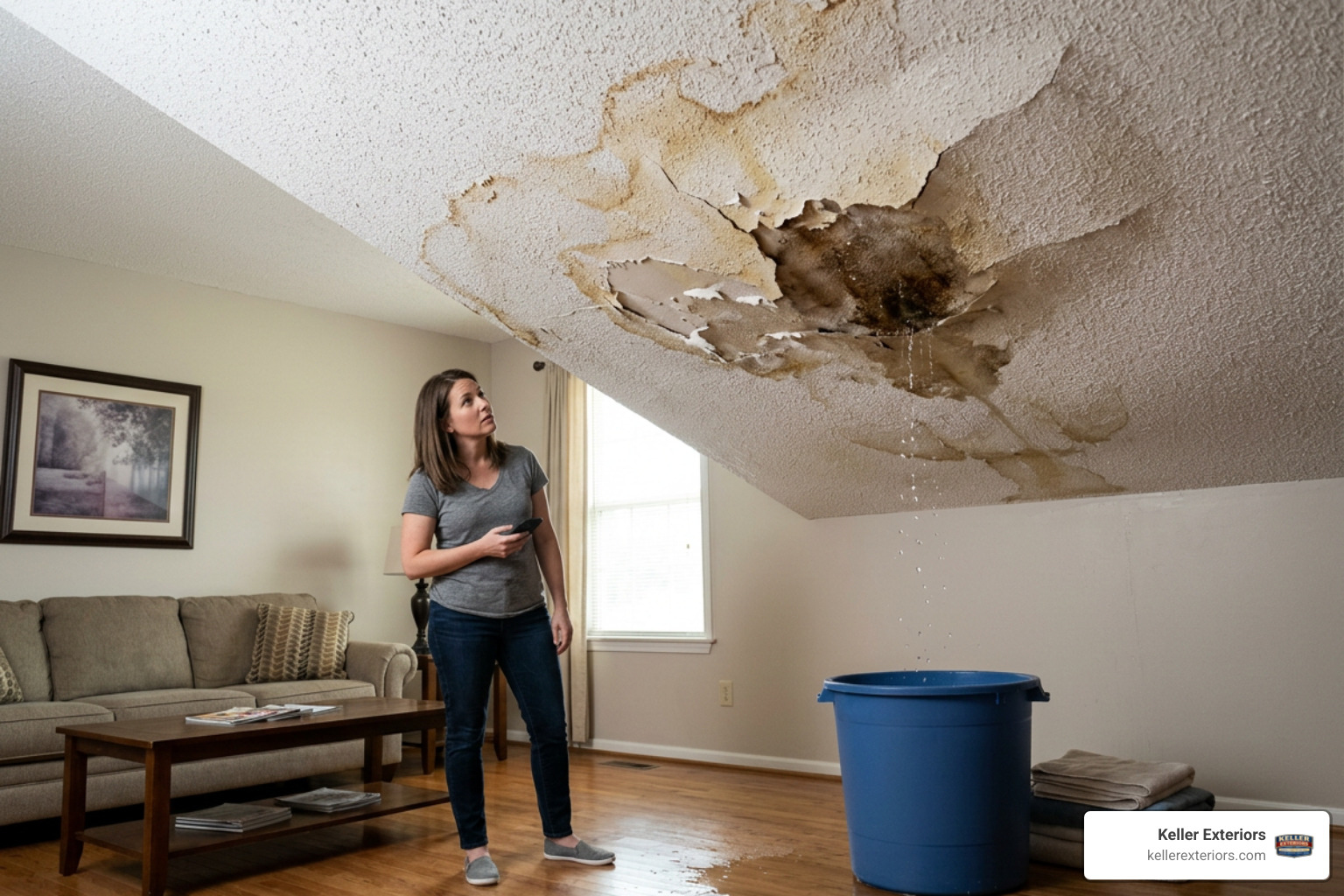
When a tile breaks, it exposes the underlying roofing membrane, or underlayment, to direct sunlight and water. While the tiles shed the majority of the water, the underlayment is the true barrier keeping your home dry. UV exposure and standing water will quickly deteriorate this membrane, leading to active leaks inside your home.
Best Practices for Concrete Tile Roof Maintenance
Preventative care is the secret to avoiding costly repairs. By establishing a routine maintenance schedule, you can catch minor issues before they turn into major headaches. We recommend looking into residential roofing solutions for your home to set up a professional inspection schedule.
The Dos and Don’ts of Concrete Tile Roof Maintenance
Maintaining a concrete tile roof requires a specific set of rules. Doing the wrong thing can easily void your warranty or cause thousands of dollars in damage.
The Dos:
- Schedule professional inspections at least once a year, preferably in the spring or fall.
- Have your roof inspected immediately after major wind or hailstorms to identify storm damage roof repair options.
- Keep trees trimmed back at least several feet from your roofline to prevent branch impacts and excessive shade.
- Address broken tiles immediately to protect the underlying water barrier.
The Don’ts:
- Never walk on your concrete tile roof. Tiles are fragile and can easily crack under your weight, creating new leaks.
- Avoid pressure washing your tile roof yourself. High pressure can erode the concrete surface, wash away protective coatings, and force water directly under the tiles.
- Do not attempt complex DIY repairs. Tile roofing systems are highly technical and require specialized tools and knowledge.
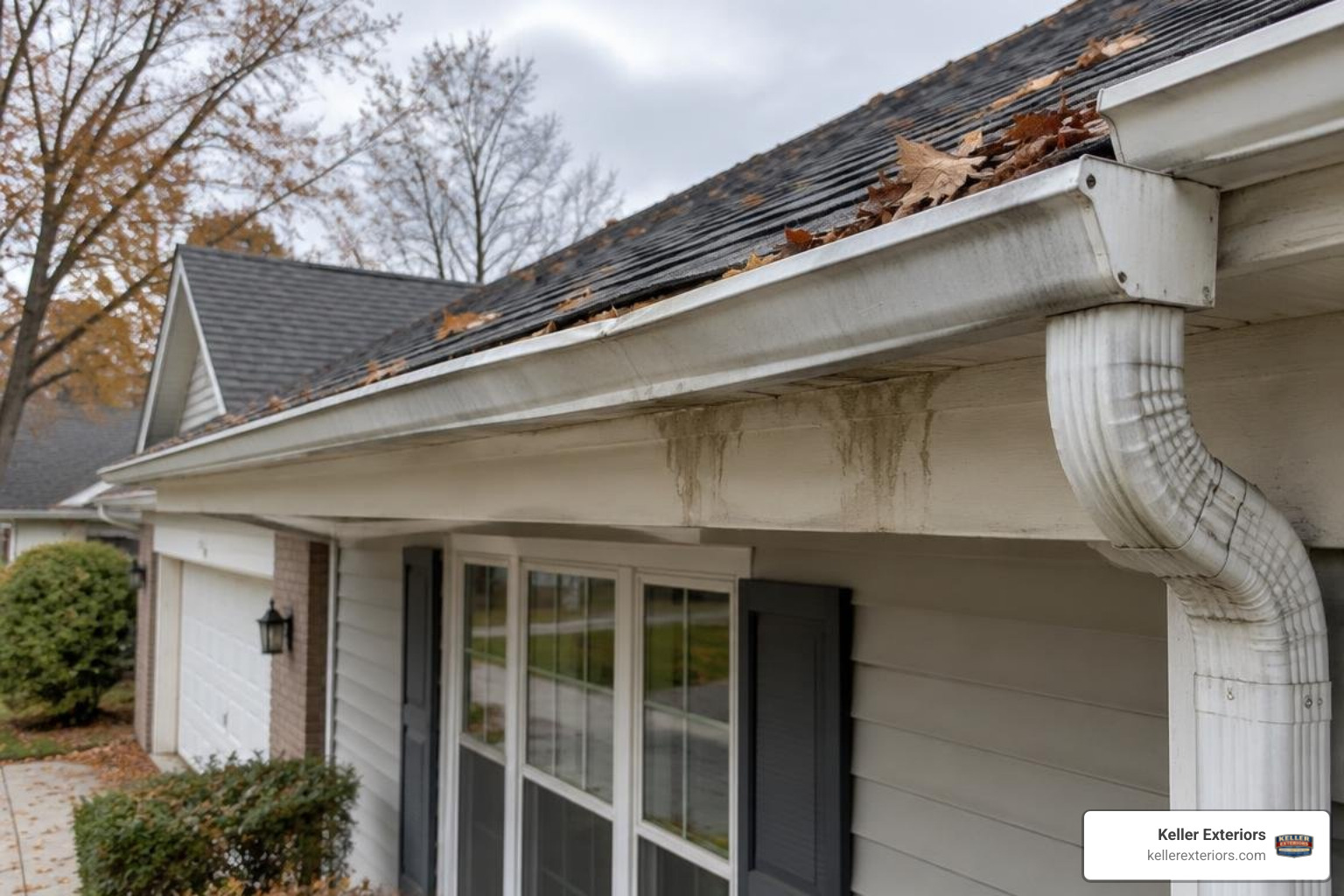
Why Keeping Gutters and Drainage Clear Matters
Clear gutters and downspouts are vital for a healthy concrete tile roof. When gutters fill with leaves, twigs, and organic debris, water cannot drain away from the roof edge. This causes water to back up under the lower starter tiles and valley flashing.
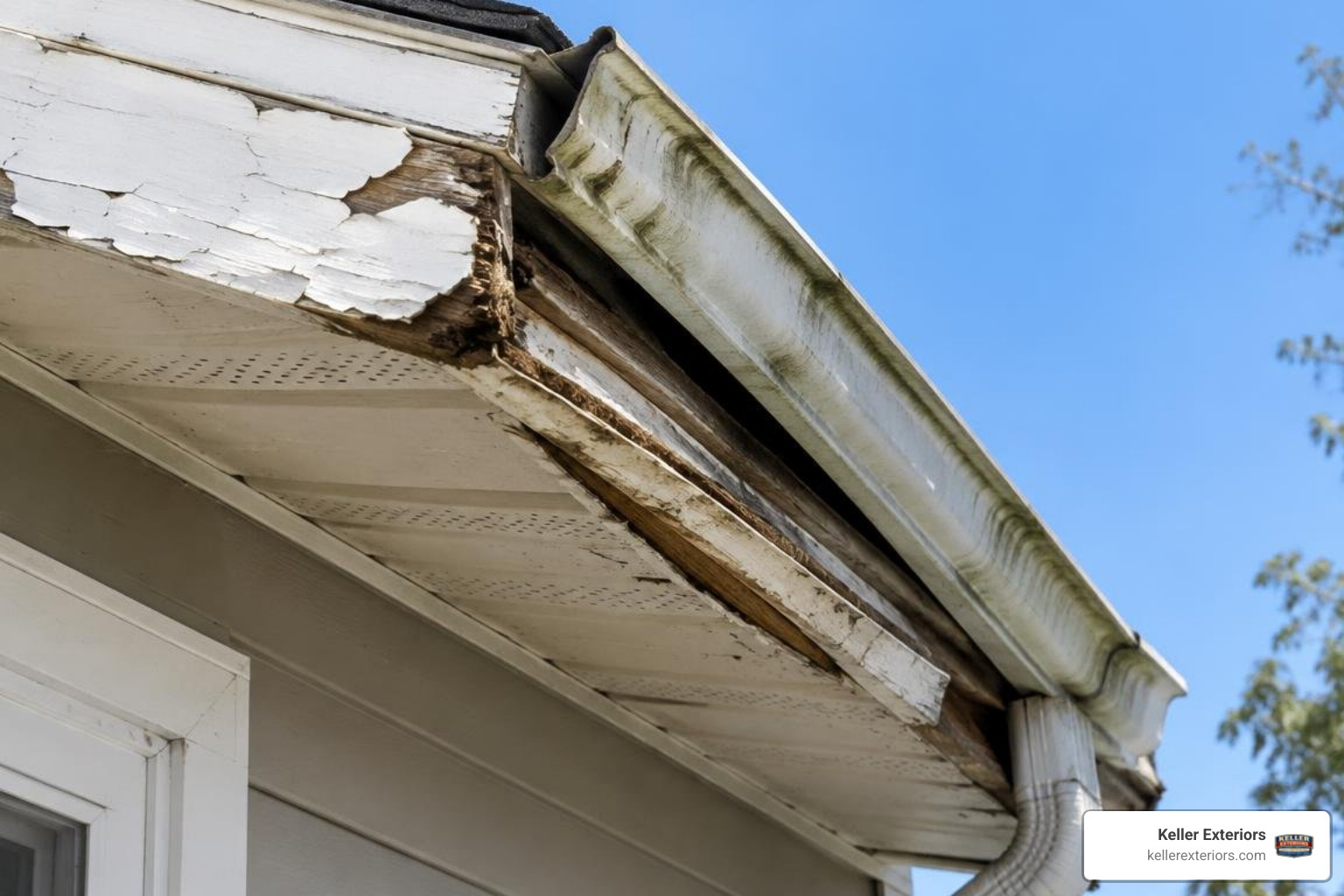
This backed-up water can quickly rot the wooden fascia boards, damage the underlayment, and cause leaks along your home’s perimeter. Regular gutter cleaning ensures that heavy rains flow smoothly off your roof and away from your foundation.
Professional Cleaning and Repair Methods
When it comes to actual cleaning and physical repairs, professional methods are essential to preserve the life of your roof.
Professional Concrete Tile Roof Maintenance and Cleaning Procedures
The safest and most effective way to clean concrete tiles is through a process called soft washing. This method uses low-pressure water combined with specialized chemical treatments to kill organic growth at its roots without damaging the tiles.
Professionals typically limit pressure to around 1200 psi and keep the spray nozzle one to two feet away from the tile surface to prevent erosion. A solution containing around 10% chlorine or a specialized toxic wash is applied to kill algae, moss, and mildew. This treatment keeps the roof clean for three to five years by removing the spores that cause regrowth.
How to Safely Repair and Replace Damaged Tiles
If a tile is cracked or completely broken, it must be replaced. Professional roofers follow a precise process to replace individual tiles without disturbing the surrounding roof:
- Access the roof safely: Technicians use roof ladders, crawling boards, or walk pads to distribute their weight evenly. If they must step on the tiles, they step only on the bottom three inches of the tile, where it is supported by the lapped tile underneath.
- Remove the broken tile: The damaged tile is carefully broken into smaller pieces with a hammer and removed. Any remaining fasteners or nails are cleared or cut.
- Inspect and patch the underlayment: The technician inspects the exposed underlayment. If there is a hole, they patch it with a piece of matching membrane that laps at least 150mm around the damaged area.
- Install the new tile: A matching replacement tile is slid into place. Since nailing is difficult without lifting surrounding tiles, professionals secure the new tile using high-quality tile adhesive or specialized mechanical clips.
The Critical Role of Roof Underlayment
Many homeowners do not realize that concrete tiles are not completely waterproof. They are designed to shed the vast majority of shedding water, but some moisture will always find its way underneath through wind-driven rain or condensation.
This is where the underlayment comes in. It serves as your home’s secondary water barrier. While concrete tiles can easily last 50 years, standard organic felt underlayment typically lasts only 20 to 30 years.
Because the underlayment degrades faster than the tiles, it must be inspected regularly. If your underlayment is dry, brittle, or torn, your roof will leak even if the tiles look perfect from the ground. When planning repairs or upgrades, referencing the Tile Roofing Industry Alliance Maintenance Protocol can help ensure your roof system meets modern standards.
Frequently Asked Questions
How long does a concrete tile roof last?
A concrete tile roof can last 50 years or more when properly installed and maintained. The concrete tiles themselves are incredibly durable, though the underlying water barrier may need to be replaced after 20 to 30 years.
How often should a concrete tile roof be inspected?
We recommend having your concrete tile roof professionally inspected at least once a year. It is also wise to schedule an inspection after any major severe weather event, such as high winds or hail.
Can you pressure wash a concrete tile roof?
We do not recommend standard high-pressure washing. High pressure can erode the protective surface of the concrete tiles and force water underneath them, damaging the underlayment. Instead, professionals use low-pressure soft washing with specialized cleaning solutions.
What is the white chalky substance on concrete tiles?
This white substance is called efflorescence. It is a natural chemical reaction that occurs when free lime in the concrete rises to the surface and reacts with carbon dioxide. It is temporary and will naturally wear away over time with rainfall.
Can I walk on my concrete tile roof?
You should avoid walking on your tile roof. Concrete tiles are fragile and can easily crack under foot traffic. Professional roofers use specialized equipment, walk pads, and specific foot placement techniques to avoid causing damage.
How do you prevent moss and algae from growing on roof tiles?
Keep overhanging tree branches trimmed back to allow sunlight to reach the roof. Regularly clear away accumulated organic debris, and consider having a professional apply a preventative chemical treatment or install copper wires along the ridge to inhibit organic growth.
How do you replace a broken concrete roof tile?
A professional replaces a broken tile by carefully breaking the damaged piece, clearing the old fasteners, inspecting and patching the underlying membrane, and sliding a new matching tile into place using specialized tile adhesive.
Can you paint or recoat concrete roof tiles?
Yes, concrete tiles can be painted or recoated. The tiles must be thoroughly cleaned, primed with a clear alkyd primer, and then coated with a high-quality 100% acrylic sealer or paint to restore their original color and luster.
Why is roof underlayment so important for tile roofs?
The underlayment acts as the primary water barrier for your home. While tiles shed most of the water, the underlayment catches and drains away any moisture that gets underneath the tiles, preventing leaks.
How does gutter cleaning protect a concrete tile roof?
Clean gutters prevent water from backing up under the lower edge of your tiles and valley flashing. This prevents wood rot, underlayment damage, and interior water leaks.
Protecting Your Investment with Professional Roofing Services
Taking care of a concrete tile roof requires expertise, precision, and the right safety equipment. At Keller Exteriors, we have over 20 years of experience serving homeowners across Oklahoma. Whether you need a seasonal inspection, professional soft washing, or tile repairs, our local team is here to help.
We proudly serve homeowners in Tulsa, OK, as well as Broken Arrow, OK, Owasso, OK, Jenks, OK, Bixby, OK, Sand Springs, OK, Claremore, OK, Bartlesville, OK, Collinsville, OK, Coweta, OK, Glenpool, OK, Catoosa, OK, and Pryor, OK. Our service areas also include local neighborhoods like Forest Ridge, OK, Stone Canyon, OK, Tulsa Hills, OK, Midtown, OK, and Brookside, OK.
If you want to ensure your roof stands strong for decades to come, let our team of local roofing experts handle the hard work. We provide reliable professional roof replacement services and repair solutions tailored to our local climate. Contact us at Keller Exteriors today to work with trusted exterior remodeling contractors who treat your home like their own.