What to Do When You Have a Broken Window
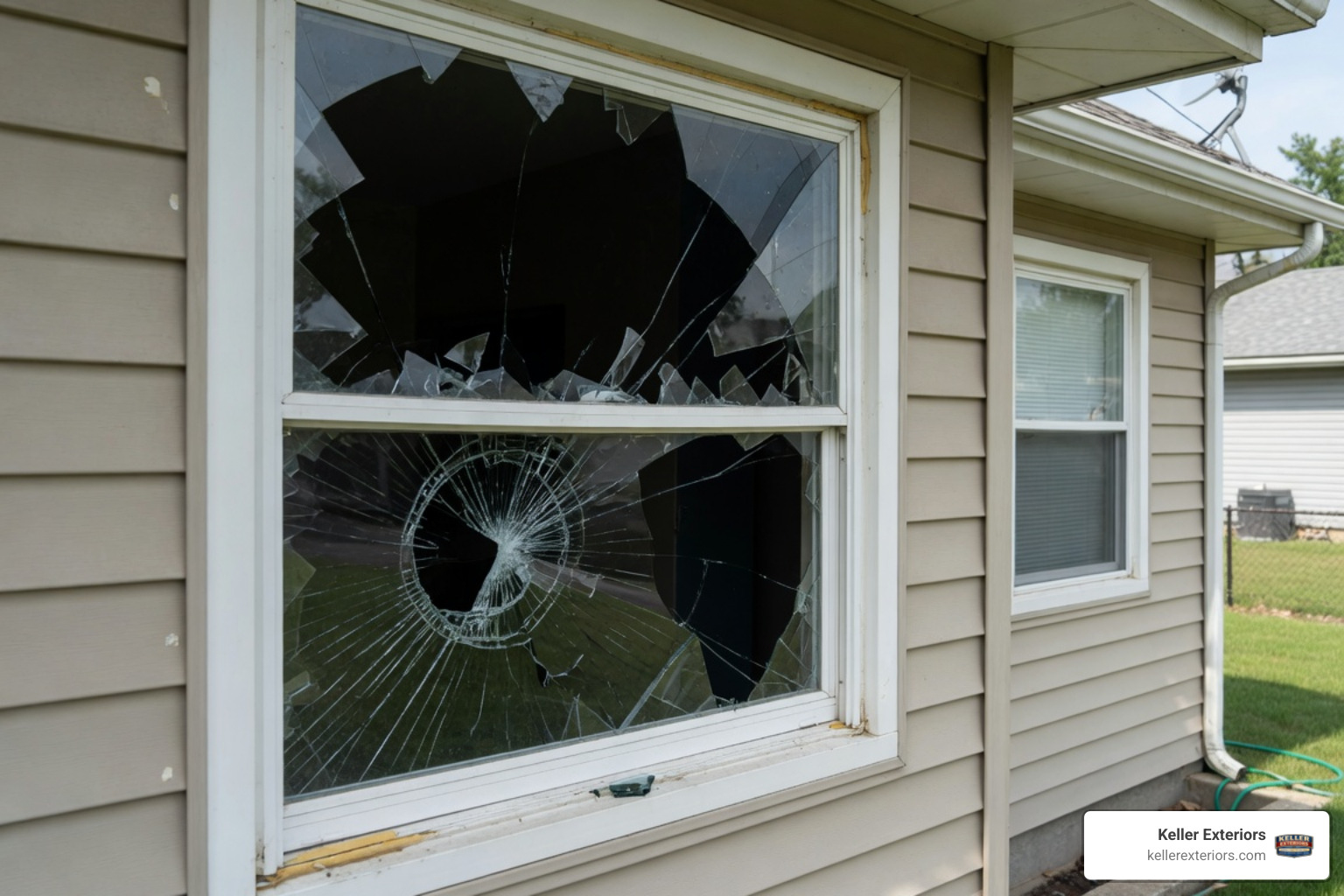
Broken window replacement is something most homeowners will face at least once, whether from a stray baseball, a bad hailstorm, or a seal that finally gives out after years of temperature swings.
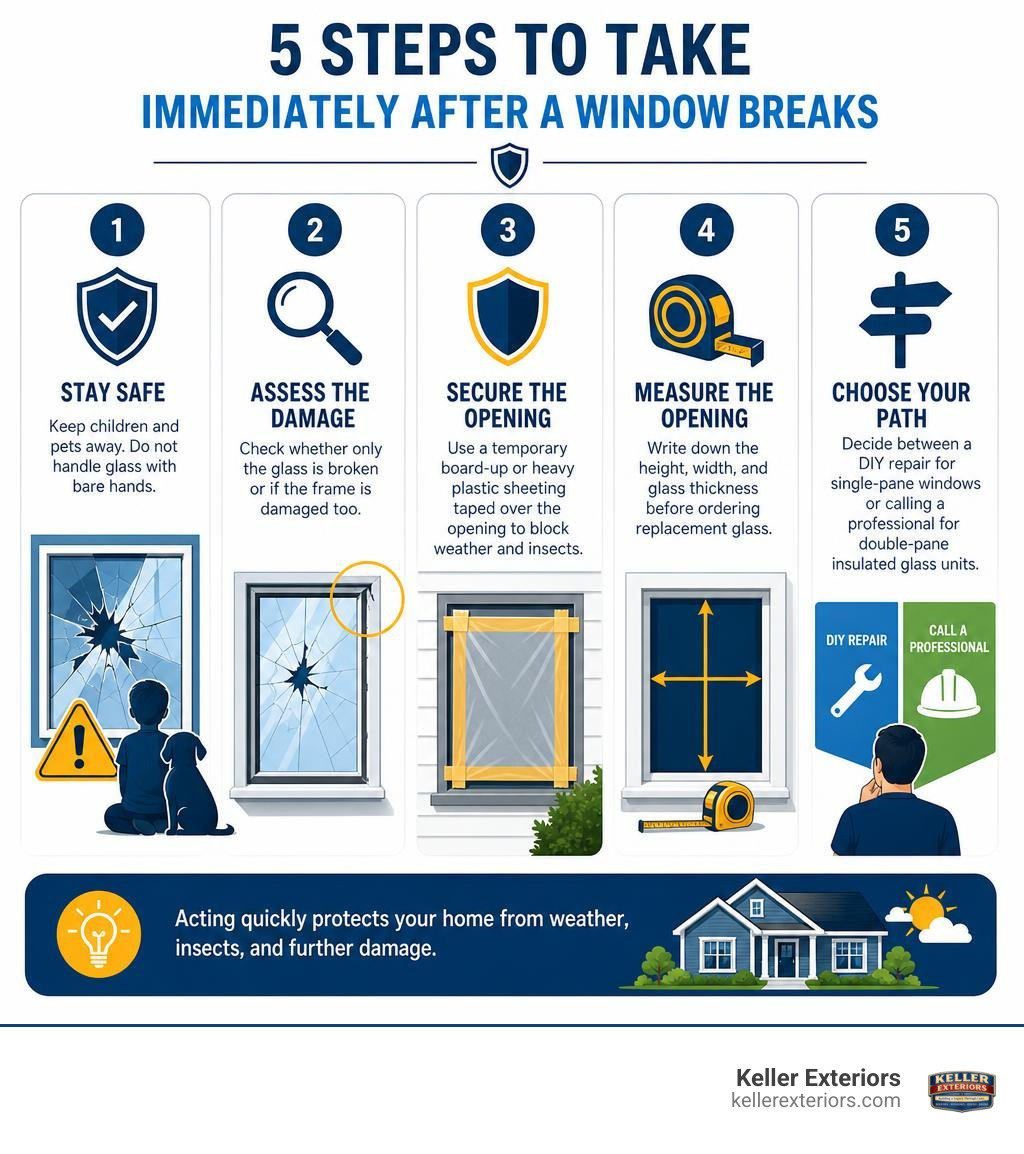
Here are the immediate steps to take when a window breaks:
- Stay safe – Keep children and pets away from the area and do not handle glass with bare hands.
- Assess the damage – Check whether only the glass is broken or if the frame is damaged too.
- Secure the opening – Use a temporary board-up or heavy plastic sheeting taped over the opening to block weather and insects.
- Measure the opening – Write down the height, width, and glass thickness before ordering replacement glass.
- Choose your path – Decide between a DIY repair for single-pane windows or calling a professional for double-pane insulated glass units.
A cracked or shattered window is more than just an eyesore. It creates a security gap, lets conditioned air escape, and in Oklahoma’s climate, opens your home to moisture, insects, and dramatic temperature swings. Ignoring it, even for a few days, can turn a simple glass swap into a much bigger repair.
The good news is that in many cases you do not need to replace the entire window. If the frame and sash are still in solid shape, replacing only the glass can restore your home’s comfort and security at a fraction of the cost of a full window replacement.
My name is Robert Keller, and with more than 25 years of hands-on experience in home exteriors, I have seen how quickly a small crack can become a major problem when broken window replacement gets delayed. This guide will walk you through everything you need to know, from identifying when glass truly needs replacing to choosing the right glass type and deciding when to call in a pro.
Identifying the Signs Your Glass Needs Immediate Attention
Sometimes, a window yells for attention with a spiderweb of shattered glass. Other times, it whispers. Recognizing the quiet warning signs of glass and seal failure can save you from high utility bills and hidden water damage.
In northeastern Oklahoma, our homes endure brutal summer heat and freezing winter winds. These rapid temperature shifts put immense physical stress on your windows. Over time, the materials expand and contract, eventually leading to structural failures in the glass assembly.

Recognizing Seal Failure in Double-Pane Windows
Modern homes use double-pane windows, also known as insulated glass units (IGUs). These units feature two pieces of glass separated by a spacer bar and sealed tight to create an insulating pocket of air.
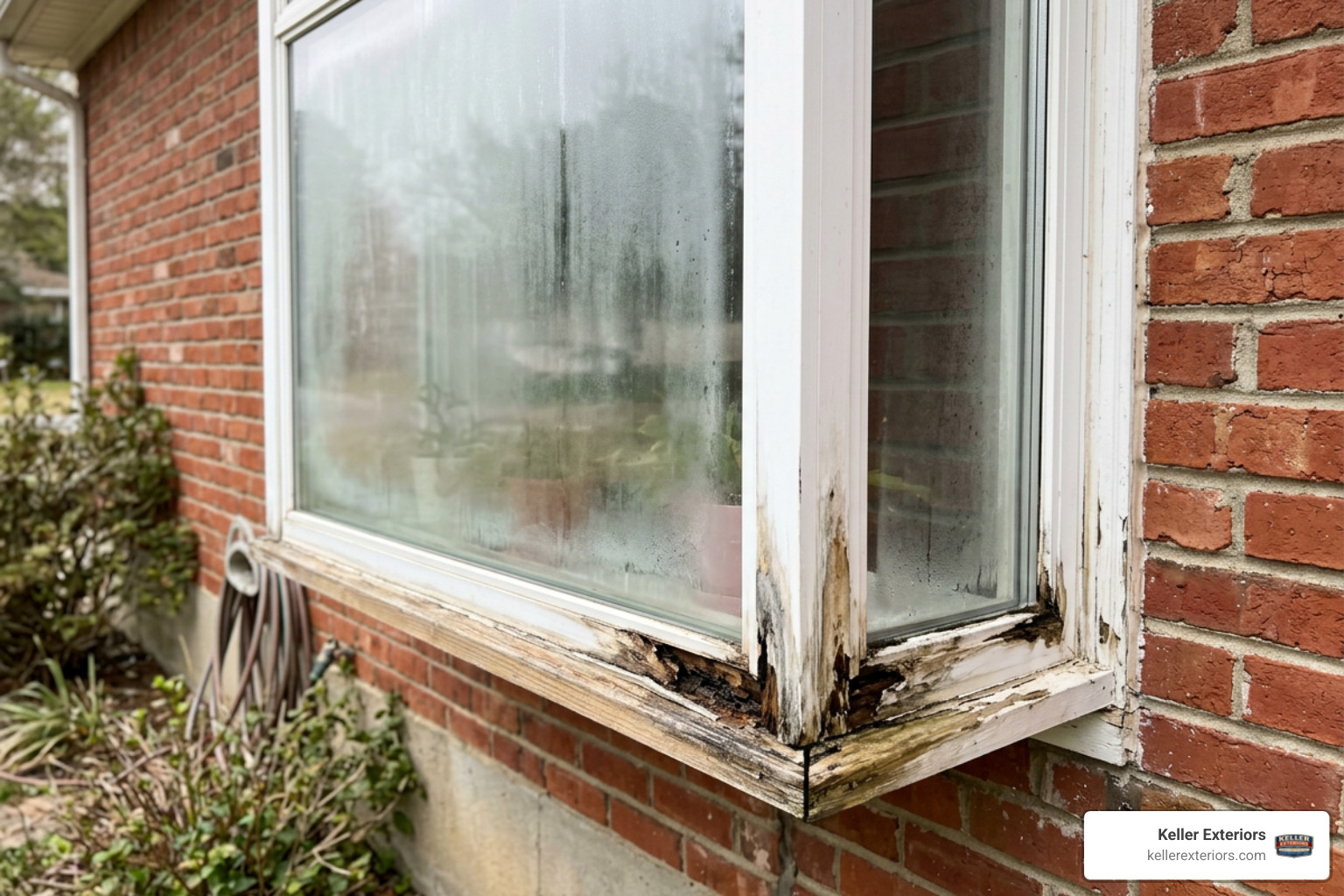
When the perimeter seal on an IGU fails, moisture-laden air sneaks into the gap between the panes. The most common sign of seal failure is cloudy or foggy glass that you cannot wipe clean. You might notice condensation forming on the inside faces of the glass during humid mornings. Once the seal breaks, the window loses its insulating power, transforming your energy-efficient window into a thermal liability.
When Drafts and Condensation Signal a Broken Window
Drafts and pooling water are clear indicators that your window is no longer doing its job. If you feel a cold spot or a breeze while standing near a closed window, the glass or its surrounding sealant has likely cracked.
Condensation on the interior wood trim or drywall around the window is another red flag. When warm, humid indoor air hits a cold, poorly insulated glass pane, water droplets form and drip onto your woodwork. Over time, this moisture leads to wood rot, peeling paint, and mold growth. Addressing these issues early with a targeted broken window replacement protects your home from costly structural damage.
Glass-Only Replacement vs. Full Window Replacement
When faced with a damaged window, you must decide whether to replace only the glass or swap out the entire window unit. Homeowners often worry that they must buy a whole new window when only a single pane of glass is broken. Fortunately, that is rarely the case.
| Factor | Glass-Only Replacement | Full Window Replacement |
|---|---|---|
| Primary Focus | Replaces only the glass pane or IGU | Replaces the entire frame, sash, and glass |
| Frame Condition | Must be structurally sound and free of rot | Best for rotted, warped, or damaged frames |
| Average Time | Typically completed in under two hours | Can take several hours per window |
| Curb Appeal | Retains original window trim and look | Allows you to update the style and material |
| Cost Profile | Highly economical option | Higher investment due to materials and labor |
When to Choose Glass-Only Replacement
If your window frames are in great shape, glass-only replacement is almost always the smartest move. This approach is highly practical for vinyl or aluminum frames that show no signs of warping or structural damage.
Glass-only replacement is also an excellent option for preserving historic wood windows. It allows you to keep the original, character-rich wood trim while restoring the window’s clarity and thermal performance. This method keeps sound materials out of landfills, saves you money, and requires minimal disruption to your daily life.
When a Full Window Replacement is Necessary
Glass-only replacement cannot fix a failing frame. If your wood frames are soft, spongy, or rotting, new glass will not solve the underlying problem. Similarly, if vinyl frames are warped, cracked, or sagging, the window sash will no longer seal properly against the frame.
In these situations, investing in energy-efficient replacement windows is the safest and most cost-effective long-term path. A complete replacement ensures that the frame, weatherstripping, and glass work together perfectly to seal out the elements.
Step-by-Step Guide to DIY Broken Window Replacement
Replacing a single pane of glass in an older wood window is a classic weekend project. While modern double-pane windows usually require professional handling, single-pane repairs are highly manageable for handy homeowners.
Before you begin, gather the necessary tools. You will need safety glasses, heavy work gloves, a putty knife, a utility knife, a heat gun, glazing points, and latex glazing compound.
How to Measure a Window for Glass Replacement
Accurate measurements are the foundation of a successful glass replacement. If your measurements are off by even a fraction of an inch, the new glass will not fit into the frame opening.
First, measure the width and height of the glass opening at three different points. Use the smallest measurement to ensure the glass fits. Next, measure the overall thickness of the glass pane. For older wood windows, this is usually 3/32 inch or 1/8 inch.
To allow for the natural expansion and contraction of wood frames, subtract 1/16 inch from your final width and height measurements. This small gap prevents the frame from crushing the glass as temperatures change.
Removing the Damaged Glass Safely
Safety must be your top priority when handling broken glass. Put on your safety goggles and heavy, cut-proof work gloves before touching the window.
Apply strips of heavy-duty painter’s tape in an “X” shape across the broken glass. This simple trick keeps the shards together and prevents small, dangerous pieces from raining down during removal. Gently wiggle the broken pieces out of the frame. If the old glazing putty is stubborn, use a heat gun to soften the compound, then scrape it away with a putty knife. Finally, remove the old metal glazing points from the wood channels.
Installing and Sealing the New Glass Pane
Once the frame channel is clean and smooth, apply a thin bead of glazing compound or silicone caulk along the wood bed. Press the new glass pane firmly into the wet compound to create a weather-tight seal.
Next, push metal glazing points into the wood frame every 10 inches using the flat edge of your putty knife. These small metal triangles hold the glass securely in place. Apply a neat bead of glazing compound around the perimeter of the glass, smoothing it at an angle with your putty knife. Allow the glazing compound to cure for three to four days before priming and painting.
Selecting the Right Glass Type for Your Home
Choosing the right glass type directly impacts your home’s safety, comfort, and monthly utility bills. Modern glass technology has come a long way, offering specialized options for every room in your house.
Here are the most common residential glass types available for your replacement project:
- Annealed Glass – Standard window glass that is flat and clear. It breaks into large, sharp shards.
- Tempered Safety Glass – Heat-treated glass that is four times stronger than standard glass. It crumbles into small, harmless pebbles when broken.
- Laminated Glass – Features a plastic inner layer sandwiched between two glass sheets. It holds together even when shattered, offering excellent security.
- Low-E Glass – Coated with an ultra-thin metal layer that reflects heat while letting visible light pass through.
- Tinted Glass – Reduces glare and solar heat gain, ideal for west-facing windows that receive intense afternoon sun.
Single-Pane vs. Double-Pane Insulated Glass Units
Single-pane windows are rare in modern homes because they offer almost no insulation against heat or cold. Upgrading to double-pane insulated glass units is one of the best ways to improve your home’s energy efficiency.
These units use spacer bars to hold the two panes of glass apart, sealing dry air or argon gas inside the gap. While argon gas offers slightly better thermal performance, standard air-filled units are highly durable and often provide a longer seal lifespan. If you want to maximize your home’s comfort, scheduling professional window replacement services to upgrade your old single-pane windows is a highly rewarding investment.
The Benefits of Upgrading to Low-E and Tempered Glass
If you are already replacing a window pane, upgrading to Low-E glass is a smart decision. Low-E coatings reflect interior heat back into your rooms during winter and block solar heat from entering your home during hot Oklahoma summers. This simple upgrade helps lower your heating and cooling costs year-round.
Tempered glass is a must-have for safety. Building codes require tempered glass in specific areas, such as windows near doors, low windows close to the floor, and bathroom windows near showers. Upgrading to tempered safety glass protects your family from severe injuries in the event of an accidental impact.
Professional Installation vs. DIY: Making the Right Choice
While a simple single-pane DIY repair can be a fun weekend project, complex window replacements are best left to the experts. Understanding your own limits can save you from wasted materials, broken glass, and immense frustration.
The Risks of DIY Broken Window Replacement
The biggest risk of DIY glass replacement is safety. Handling large sheets of glass is inherently dangerous, and one slip can lead to severe cuts. Additionally, if your home was built before 1978, scraping old paint off wood window frames can release hazardous lead dust.
DIY installations also run the risk of improper sealing. A poorly sealed window allows water to seep into your wall cavities, leading to mold and structural rot. Finally, attempting to replace a double-pane IGU yourself usually voids any manufacturer warranties on the glass unit, leaving you unprotected if the seal fails prematurely. If you are also considering other exterior upgrades, understanding the differences between fiberglass vs wood entry doors can help you plan a cohesive home improvement strategy.
How to Plan for Professional Broken Window Replacement
Hiring a professional team ensures that your new glass is measured, fabricated, and installed to exact industry standards. The process begins with an on-site visit where a technician takes precise digital measurements of your window opening.
Most custom glass orders take approximately two weeks to manufacture. Once your custom glass is ready, the installation team will remove the old glass, clean the frame thoroughly, install the new unit, and handle all cleanup and disposal. This hands-off approach gives you peace of mind and long-term warranty protection. For a seamless experience, look for trusted window installation solutions from a local team with deep roots in your community.
Frequently Asked Questions About Window Glass
How much does it cost to replace a broken window pane?
The cost of glass replacement varies depending on the size of the window, the type of glass, and whether you choose single-pane or double-pane units. Standard single-pane glass is highly economical, while double-pane insulated units, tempered safety glass, and custom shapes require a higher investment.
Can I replace just the glass in a double-pane window?
Yes. If your window frame and sash are in good condition, you can replace only the insulated glass unit without buying an entirely new window. This process saves you money and restores the window’s original thermal performance.
How long does it take to replace broken window glass?
Once the custom glass is fabricated and delivered, the actual on-site installation usually takes less than two hours per window. Custom fabrication typically takes about two weeks from the initial measurement.
What is the difference between tempered glass and regular glass?
Regular glass breaks into large, sharp, dangerous shards when impacted. Tempered glass is heat-treated for strength and crumbles into small, rounded, relatively harmless pieces when broken, making it much safer for high-traffic areas.
Why is my double-pane window foggy?
A foggy window indicates that the perimeter seal of your insulated glass unit has failed. This allows moisture to enter the space between the panes, creating condensation that cannot be wiped away from either side.
Can I measure the window glass myself?
You can take rough measurements for an initial estimate, but a professional technician should always take the final, precise measurements before ordering custom glass. This step ensures a perfect fit and avoids costly ordering mistakes.
What is Low-E glass and is it worth the upgrade?
Low-E glass features a microscopically thin metal coating that reflects heat while letting natural light pass through. It is highly worth the upgrade because it reduces solar heat gain in the summer, retains heat in the winter, and blocks UV rays that fade your furniture.
How do I temporarily secure a broken window?
First, clear away any loose glass shards while wearing heavy gloves. Next, cover the opening with heavy-duty plastic sheeting or a piece of plywood, securing it with painter’s tape to protect your home from weather and pests until your replacement glass arrives.
Does homeowners insurance cover broken window replacement?
It depends on the cause of the break. Most policies cover broken windows caused by storms, vandalism, or fire, but they usually do not cover accidental damage caused by a homeowner or normal wear and tear. Check your specific policy details to be sure.
Should I replace my entry door at the same time as my windows?
Replacing your entry door alongside your windows is a highly efficient way to boost your home’s curb appeal and energy performance in one go. Combining these projects often saves you money on labor and ensures a cohesive look for your home’s exterior.
Partner with Tulsa’s Trusted Window Experts
Northeastern Oklahoma is famous for its unpredictable weather, where calm mornings can quickly give way to severe afternoon supercells. From high winds in Broken Arrow, OK to heavy hail in Owasso, OK, our local homes take a beating year after year.
When storm damage strikes, you need a local contractor who understands the unique challenges of the Oklahoma climate. We proudly serve homeowners across the entire region, including Jenks, OK, Bixby, OK, Sand Springs, OK, and Claremore OK. Whether you are dealing with a shattered pane from a storm or a foggy window that has lost its seal, our team provides the reliable service you deserve.
If you are looking to upgrade your home’s overall security and curb appeal, we can also help you explore high-quality entry door replacement options that stand up to the elements. Our goal is to make home improvement simple, straightforward, and stress-free for our neighbors.
Whether you need fast glass repairs, storm damage restoration, or complete Keller Exteriors window upgrades, our team is ready to help. Schedule your professional window replacement today to restore your home’s comfort and security.