
Why a Leaking Conservatory Box Gutter Is a Problem You Cannot Ignore
A conservatory box gutter leaking is one of the most common reasons homeowners end up with water damage inside their home. And it is often one of the most overlooked problems until the damage is already done.
Here is what to do if your conservatory box gutter is leaking:
- Inspect the gutter during or right after heavy rain to find where water is escaping.
- Clear all debris from the gutter channel, especially near the downspout.
- Check the joints and seals for cracks, gaps, or worn sealant.
- Look for water running behind the gutter rather than through it, which signals a design or alignment issue.
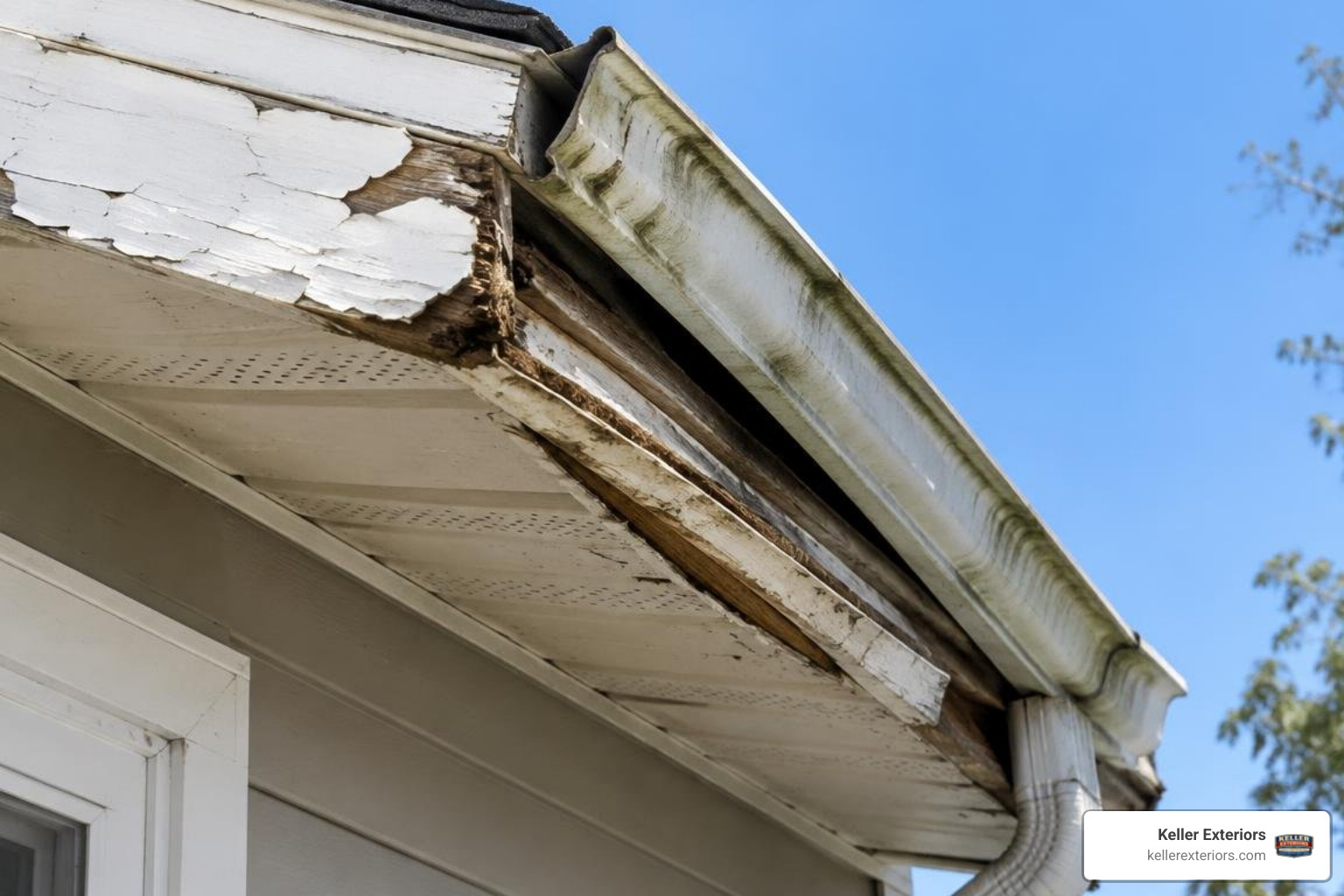
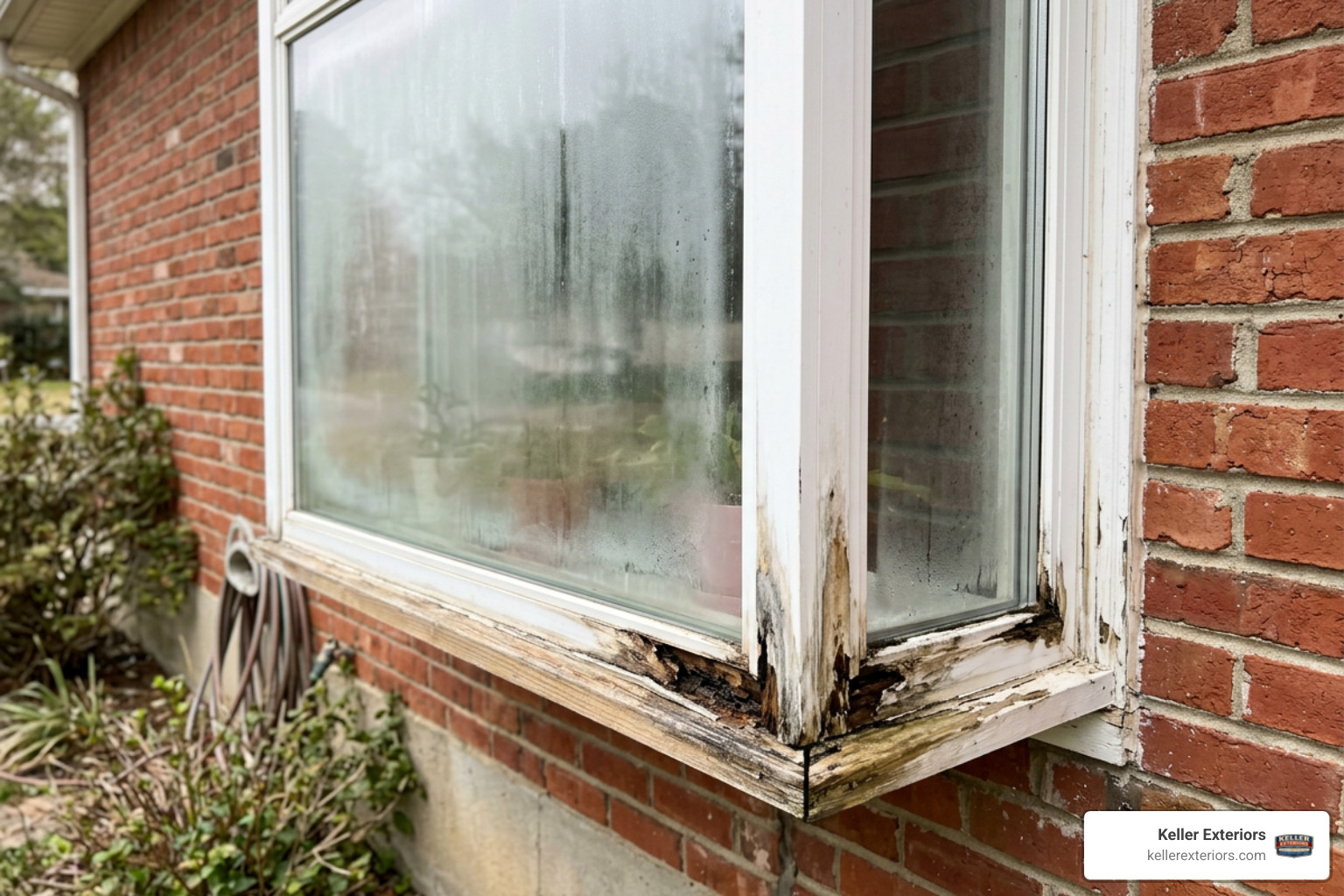
- Call a professional if you see interior water stains, peeling paint, soft wood, or mold, as these point to damage that goes beyond a quick fix.
Box gutter problems account for more than 60% of conservatory leaks. Left untreated, the resulting water damage can run into thousands of dollars in repairs. The tricky part is that the visible drip point is rarely where the actual leak begins. Water travels before it drops, so finding the true source takes careful inspection.
The good news is that most leaks follow predictable patterns and respond well to the right repair approach. This guide walks you through every step, from diagnosing the problem to choosing a lasting fix.
I’m Robert Keller, owner of Keller Exteriors, and with more than 25 years of hands-on experience in exterior trades, I have seen conservatory box gutter leaking issues cause serious structural damage that could have been avoided with early action. Understanding what you are dealing with is the first step to protecting your home.

Why is Your Conservatory Box Gutter Leaking?
To solve the mystery of a leaking box gutter, we first need to understand how these systems work and why they fail. Unlike traditional hanging gutters that sit on the edge of your roof, a box gutter is built directly into the roofline structure. They are common where a conservatory roof slopes backward toward the main house wall or where two roof sections meet.
Because they sit in a valley or channel, box gutters must handle massive volumes of water. Several factors can disrupt this flow and cause water to find a path into your living space.
Common Signs of a Conservatory Box Gutter Leaking
You do not always have to wait for a rainy day to know you have a problem. Often, your home will give you subtle warnings that water is escaping the gutter channel.
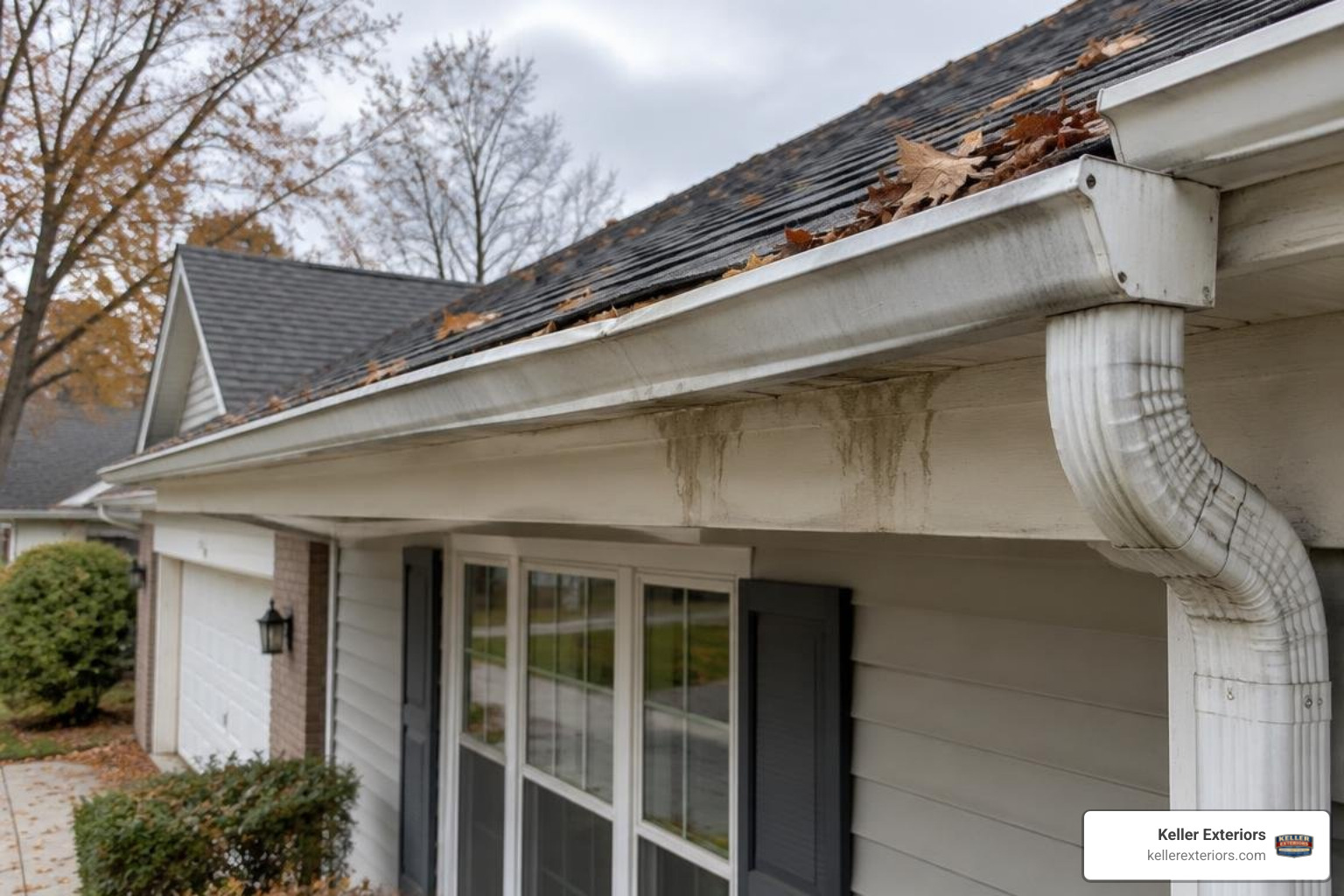
- Water spots and discoloration: Look for brown or yellow stains on the plasterboard, wooden trim, or ceiling panels near the wall where the conservatory meets the house.
- Peeling paint or wallpaper: Moisture behind drywall causes paint to bubble, crack, and peel away.
- Musty smells: Persistent dampness in a sunroom or conservatory often leads to mold and mildew growth, creating a distinct musty odor.
- Dripping trim: If you hear a steady drip behind the plastic capping or see water trickling down the window frames, the gutter is likely overflowing or leaking from its joints.
If you notice any of these red flags, it is time to investigate. Ignoring these signs can lead to wood rot in your wall framing, which requires costly structural repairs. Homeowners looking to protect their property often invest in professional roof replacement services to resolve underlying structural dampness before it spreads.
Why Water Runs Behind the Gutter System
One of the most frustrating issues is when water runs behind the box gutter instead of flowing through it. This problem is almost always caused by a design flaw or physical damage to the gutter trim.
In a proper installation, the back edge of the box gutter should sit higher than the front edge. This ensures that if the gutter overflows, the excess water spills harmlessly over the front exterior edge rather than backing up into the house. If the installer mounted the gutter incorrectly, or if the structure has settled over time, the back edge can sit lower. When a heavy storm hits, the water runs behind the gutter lining and directly into your wall cavity.
Damage to the lead flashing or the roof underlay can also cause this issue. If the roof felt does not extend fully into the gutter channel, rainwater will slip behind the gutter structure. This is why a simple bead of silicone rarely solves the problem. You must address the physical alignment and flashing to keep the water flowing where it belongs.
Common Problems with Conservatory Box Gutters
Conservatory box gutters face unique challenges due to their location and shape. While standard gutters are easy to clean and replace, box gutters are integrated into the roof, making them harder to access and maintain.

Structural Challenges of Narrow Box Gutters
Many conservatory box gutters are intentionally designed to be narrow and shallow to keep the roof profile sleek. Some are only six inches wide and four inches deep. While this looks neat, it creates a major bottleneck for water flow.
During heavy Oklahoma storms in areas like Tulsa, OK or Broken Arrow, OK, these narrow channels simply cannot keep up with the sheer volume of water cascading off the main house roof and the conservatory roof. Additionally, because the channel is so tight, even a tiny obstruction can act as a dam. We have seen cases where a single discarded candy wrapper or an old soda can washed down from the roof, blocked the downspout sump, and caused instant flooding inside the home.
These narrow channels also make manual cleaning incredibly difficult. Standard gutter scoops will not fit, forcing homeowners or contractors to use custom scrapers or drain rods to push sludge along the narrow track.
How Thermal Expansion Affects Gutter Joints
Conservatories are highly sensitive to temperature changes. The combination of glass, polycarbonate, aluminum, and uPVC causes the structure to expand and contract constantly. In northeastern Oklahoma, our hot summers and freezing winters create extreme temperature swings.
This constant movement puts immense stress on the box gutter joints. Most box gutters are made of aluminum or uPVC and are joined together using plastic sleeves, rubber gaskets, or sealant tape. Over time, the thermal expansion pulls these joints apart.
The sealant cracks, the gaskets wear out, and small gaps appear. Even though aluminum itself does not rust or corrode, the joints will fail due to this mechanical stress. This is why a leak might only appear during certain seasons when the temperature causes the joints to expand or contract to their limits.
How to Clean and Maintain Conservatory Box Gutters
Regular maintenance is the best defense against a conservatory box gutter leaking. Cleaning your gutters at least twice a year, especially in late spring and late fall, can prevent major blockages and identify small issues before they become expensive repairs.
Step-by-Step Gutter Cleaning Process
Cleaning a narrow box gutter requires patience and the right tools. Follow these steps to clear your system safely:
- Clear large debris: Use a small, custom-width wooden tool or a plastic scraper to scoop out leaves, twigs, and moss. Avoid using sharp metal tools that could scratch or puncture the gutter lining.
- Clear the downspout: Use a drain rod with a rubber plunger or a flexible plumber’s snake to clear any blockages inside the downspout.
- Flush the system: Run a garden hose through the gutter channel. Watch how the water flows. If it pools in certain areas, you may have a sagging gutter or an improper slope.
- Inspect the joints: While the gutter is wet, look closely at the joints and seams. Use a small hand mirror or your phone camera to check the underside of the joints for signs of dripping.
- Check the flashing: Ensure the roof felt or lead flashing extends cleanly into the gutter channel without any gaps or tears.
If you notice damaged shingles or cracked tiles during this process, you may need to look into storm damage roof repair options to secure the roof area above your conservatory.
Safety Precautions for Roof and Gutter Access
Working around a conservatory roof is highly dangerous. Polycarbonate and glass panels cannot support human weight, and stepping on them will cause them to shatter.
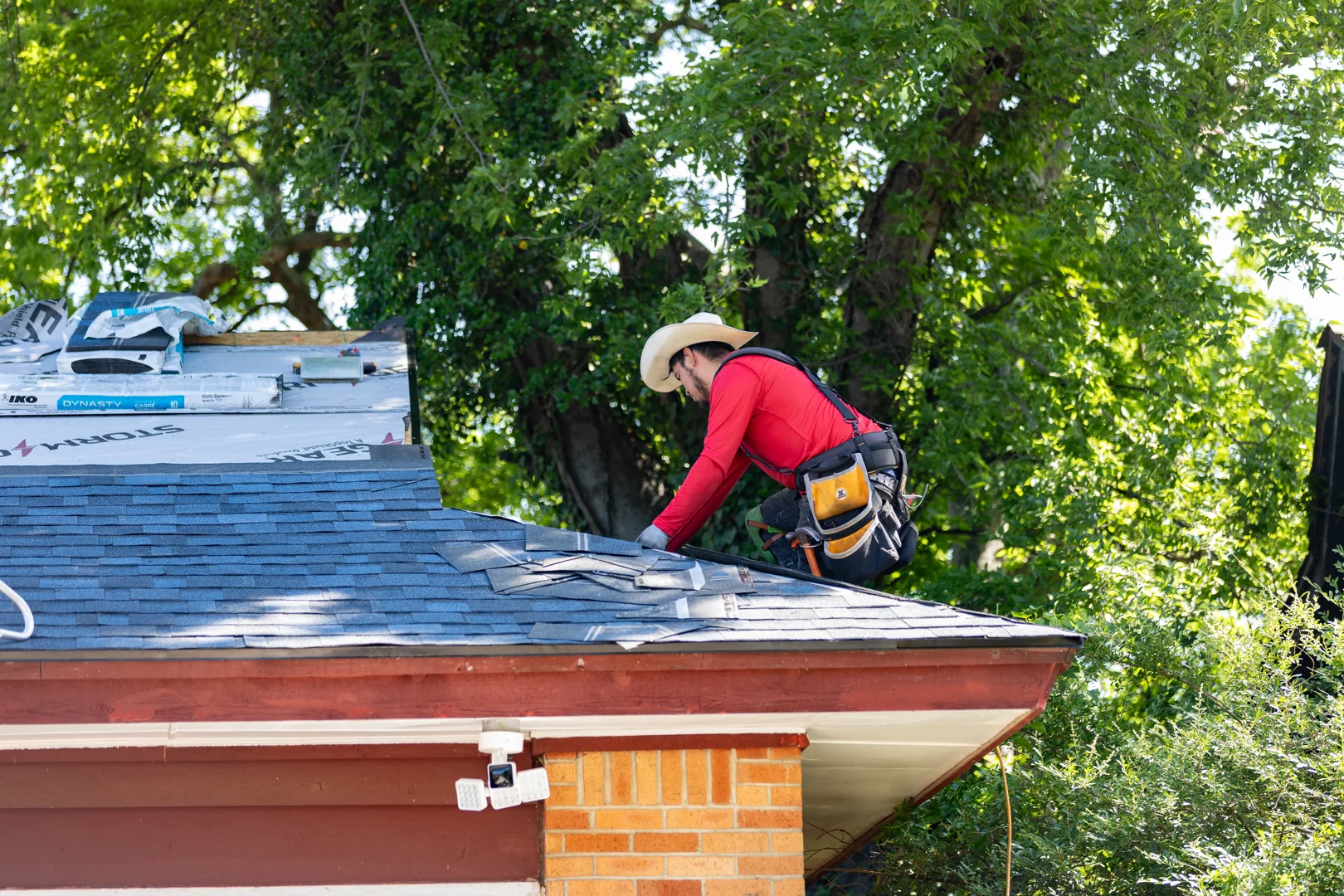
Always use a sturdy, secure ladder and have a spotter hold the base. Never stand directly on the conservatory roof. If you must access a tight spot, use specialized roof ladders or crawling boards to distribute your weight across the structural rafters. If your conservatory is attached to a high roof or a bungalow joint, accessing the gutter safely can be incredibly difficult. If you do not have the proper safety gear, it is always best to call a professional team to handle the job.
Long-Term Repair and Replacement Solutions
When a box gutter fails, homeowners often look for quick, cheap fixes. However, temporary patches rarely last long against Oklahoma’s intense weather. Finding a permanent solution requires understanding your options.
Why DIY Sealants and Tape Fail Quickly
It is tempting to grab a tube of silicone sealant or a roll of peel-and-seal flashing tape from the local hardware store. While these products can stop a drip temporarily, they usually fail within six to twelve months.
Silicone does not have the elasticity required to handle the constant thermal expansion and contraction of a conservatory. As the temperature changes, the silicone pulls away from the gutter surface, leaving a invisible gap where water can seep through. Furthermore, applying sealant over damp, dirty, or corroded surfaces prevents a proper bond. The sealant can actually trap moisture underneath, accelerating rust on steel gutters or rotting the wooden support framing beneath uPVC systems.
Professional Repair vs. Complete Replacement
If your box gutter is structurally sound but leaking at the joints, a professional lining system is often the best choice. Specialized PVC or EPDM membranes can be laid directly into the existing gutter channel. These membranes are highly flexible, completely seamless, and can handle extreme temperature swings without cracking. They are often installed with custom drain boots to ensure a watertight seal at the downspout.
However, if the gutter has severe structural damage, sagging, or extensive wood rot in the supporting frame, a complete replacement is necessary.
| Feature | Professional Membrane Repair | Complete Gutter Replacement |
|---|---|---|
| Lifespan | 10 to 15 years | 20 to 30+ years |
| Installation Time | 1 day | 2 to 3 days |
| Structural Impact | Minimal disruption to roof | Requires removing edge tiles/panels |
| Best For | Failed joints, minor cracks, leaks | Severe sagging, rot, structural failure |
| Material Options | PVC, EPDM, liquid coatings | Seamless aluminum, uPVC, copper |
Choosing the right path depends on the condition of your roof and framing. If you are unsure, consulting with local experts can help you find the best residential roofing solutions for your home.
Frequently Asked Questions About Conservatory Box Gutters
What is the first step to take when you notice your conservatory box gutter leaking?
The first step is to clear any immediate blockages. Remove leaves, twigs, and debris from the gutter channel and downspout to see if the leak is simply caused by an overflow. If the gutter is clean but still leaking, look for the exact point where water is escaping, keeping in mind that water often travels along the underside of the gutter before dripping.
Why does water run behind my conservatory box gutter instead of through it?
This usually happens due to a design flaw where the back edge of the gutter sits lower than the front edge, or because the flashing and roof underlay do not extend far enough into the gutter channel. When the gutter fills up or rain falls heavily, the water slips behind the gutter lining and enters the interior wall structure.
Can I use silicone sealant to permanently fix a box gutter leak?
No, silicone sealant is only a temporary fix. Because conservatories expand and contract significantly with temperature changes, the rigid silicone will quickly crack and pull away from the gutter surface, usually failing within a year.
How often should I clean my conservatory box gutters?
You should clean your box gutters at least twice a year, ideally in the late spring and late fall. If your home is surrounded by mature trees, you may need to clean them more frequently to prevent leaves and pine needles from clogging the narrow channels.
What are the most common materials used for conservatory box gutters?
The most common materials are uPVC, aluminum, and copper. While uPVC is affordable, it can become brittle over time. Aluminum is highly durable and does not rust, but its joints can still fail. Copper is incredibly long-lasting but requires professional soldering during installation.
How much does it typically cost to repair a conservatory box gutter?
The cost of repairing a conservatory box gutter varies widely depending on the extent of the damage, the accessibility of the roof, and whether you need a simple joint reseal, a membrane lining, or a complete replacement. It is best to request a professional estimate to get an accurate scope of work.
Can a blocked downspout cause a box gutter to overflow internally?
Yes. Because box gutters are integrated into the roofline, a blocked downspout will cause water to back up rapidly. If the back edge of the gutter is lower than the front, or if the joints are weak, this standing water will overflow directly into your conservatory’s ceiling and walls.
Why do aluminium box gutters leak if they do not rust?
While aluminum itself does not rust, the systems still rely on joints, gaskets, and sealants to connect different sections. Over time, thermal expansion, structural settling, and UV exposure degrade these seals, causing water to leak through the seams.
How do thermal expansion and contraction affect box gutter joints?
Temperature fluctuations cause the metal or plastic gutter materials to expand in the heat and contract in the cold. This constant movement puts physical stress on the joints, eventually tearing sealant tapes, cracking caulking, and loosening mechanical fasteners.
When should I completely replace my conservatory box gutter instead of repairing it?
You should opt for a complete replacement if the gutter has severe physical damage, structural sagging that prevents proper drainage, or if the wooden supporting frame behind the gutter has rotted. If the system has failed in multiple areas, replacement is more cost-effective than repeated repairs.
Protecting Your Home with Professional Gutter Solutions
A leaking box gutter is not just an inconvenience, it is a direct threat to your home’s structural integrity. Whether you live in Tulsa, OK, Jenks, OK, or Owasso, OK, our local weather can quickly turn a minor drip into a major headache. Protecting your investment requires timely action and professional expertise.
At Keller Exteriors, we bring over 20 years of hands-on experience to every project. Our dedicated team specializes in identifying hard-to-find leaks, repairing damaged framing, and installing high-quality, long-lasting gutter systems. We serve homeowners throughout Bixby, OK, Sand Springs, OK, Claremore OK, and the surrounding areas with honest advice and reliable craftsmanship.
If you are dealing with a stubborn leak or want to ensure your roof is ready for the next storm season, we are here to help. Contact the team at Keller Exteriors today to schedule your professional inspection and secure your roof replacement services in Tulsa, OK.