What You Need to Know About Clay Tile Roof Repair
Clay tile roof repair is one of the more specialized areas of residential roofing, and getting it wrong can turn a small problem into a costly one fast.
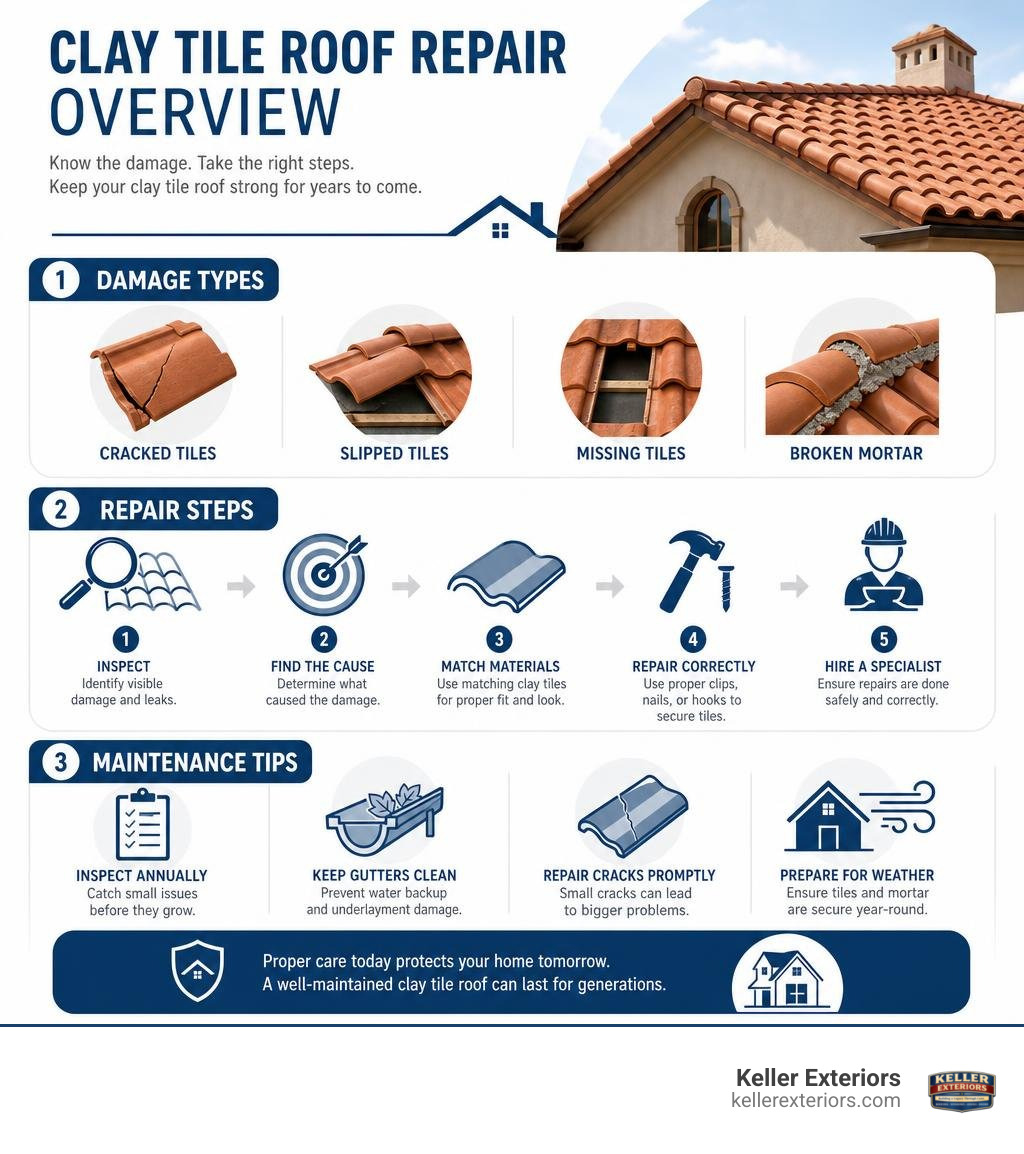
Here is a quick overview of the most important steps when you suspect your clay tile roof needs attention:
- Inspect first – Look for cracked, slipped, or missing tiles, staining on interior ceilings, and broken mortar along the ridges.
- Identify the root cause – Damage is often caused by impact, freeze-thaw cycles, failing underlayment, or corroded fasteners rather than the tiles themselves.
- Match your materials – Replacement tiles must match the original profile, color, and size. Concrete substitutes are rarely appropriate.
- Use the right attachment method – Tile clips, copper nails, or hook methods are the standard approaches for safe reinstallation.
- Hire a specialist – Clay tiles are brittle and require a contractor with specific experience. Improper repairs often create new problems.
- Maintain regularly – Annual inspections, clean gutters, and prompt crack repairs extend roof life significantly.
Clay tile roofs have earned their reputation for longevity. When properly installed and maintained, they commonly last a century or longer. That durability is remarkable, but it comes with a catch: these roofs require knowledgeable care. A single misstep, like pressure washing, walking directly on tiles, or using the wrong fasteners, can cause damage that costs far more to fix than the original issue.
The good news is that most clay tile problems are repairable without a full roof replacement, as long as they are caught early and handled correctly.
I’m Robert Keller, owner of Keller Exteriors, and with more than 25 years of hands-on experience in exterior trades, I have seen how the right approach to clay tile roof repair protects both the home and the homeowner’s investment. This guide walks you through everything you need to make informed decisions about your roof.
Common Causes of Clay Tile Damage

Clay roofing tiles are incredibly durable, but they are also naturally brittle. In northeastern Oklahoma, our unique weather patterns present specific challenges for these classic roofing systems. Homeowners in Tulsa, OK and surrounding areas like Jenks, OK often deal with several common causes of tile damage.
Freeze-Thaw Cycles
Northeastern Oklahoma winters are famous for rapid temperature swings. Rain can quickly turn to ice, and this constant freezing and thawing spells trouble for clay. If a tile has a microscopic hairline crack, water seeps into it. When that water freezes, it expands. Over time, this cycle splits the clay, leading to visible cracks and eventual tile failure.
Impact Damage
While clay stands up to fire and rot, it does not handle direct impacts well. Severe spring storms in Owasso, OK and Broken Arrow, OK frequently bring heavy hail and falling tree limbs. A single large hailstone or a heavy branch can easily shatter a tile. Even well-intentioned trade professionals, such as satellite dish installers or chimney sweeps, can crack tiles simply by stepping on them improperly.
Wind Uplift
High winds can lift and displace tiles, especially if the original fastening system has begun to decay. While clay tiles are heavy, strong gusts can catch the edges of loose tiles, causing them to slide out of position. Once one tile slips, it exposes the tiles around it, creating a domino effect that leaves your roof deck vulnerable to the elements.
Moss and Algae Growth
In shaded areas of your roof, moss and algae can take hold. Moss is particularly dangerous because its tiny roots can grow into the mortar joints and under the tiles. As the moss grows, it lifts the tiles. This creates gaps where wind can catch them and water can seep underneath. Moss also traps moisture against the tile surface, accelerating freeze-thaw damage.
Underlayment Degradation
This is perhaps the most hidden threat to your roof. While the clay tiles themselves can easily last over a century, the asphalt felt underlayment beneath them typically lasts only twenty to thirty years. Over time, heat and moisture cause this waterproof membrane to dry out, crack, and rot. When the underlayment fails, water will find its way into your home even if the tiles look perfectly fine from the ground.
Identifying When You Need Clay Tile Roof Repair
Catching problems early is the key to avoiding major water damage inside your home. We recommend performing a visual inspection from the ground at least twice a year, especially after major storm events. You can use a pair of binoculars to get a closer look without ever leaving the safety of the lawn.
Keep an eye out for these warning signs:
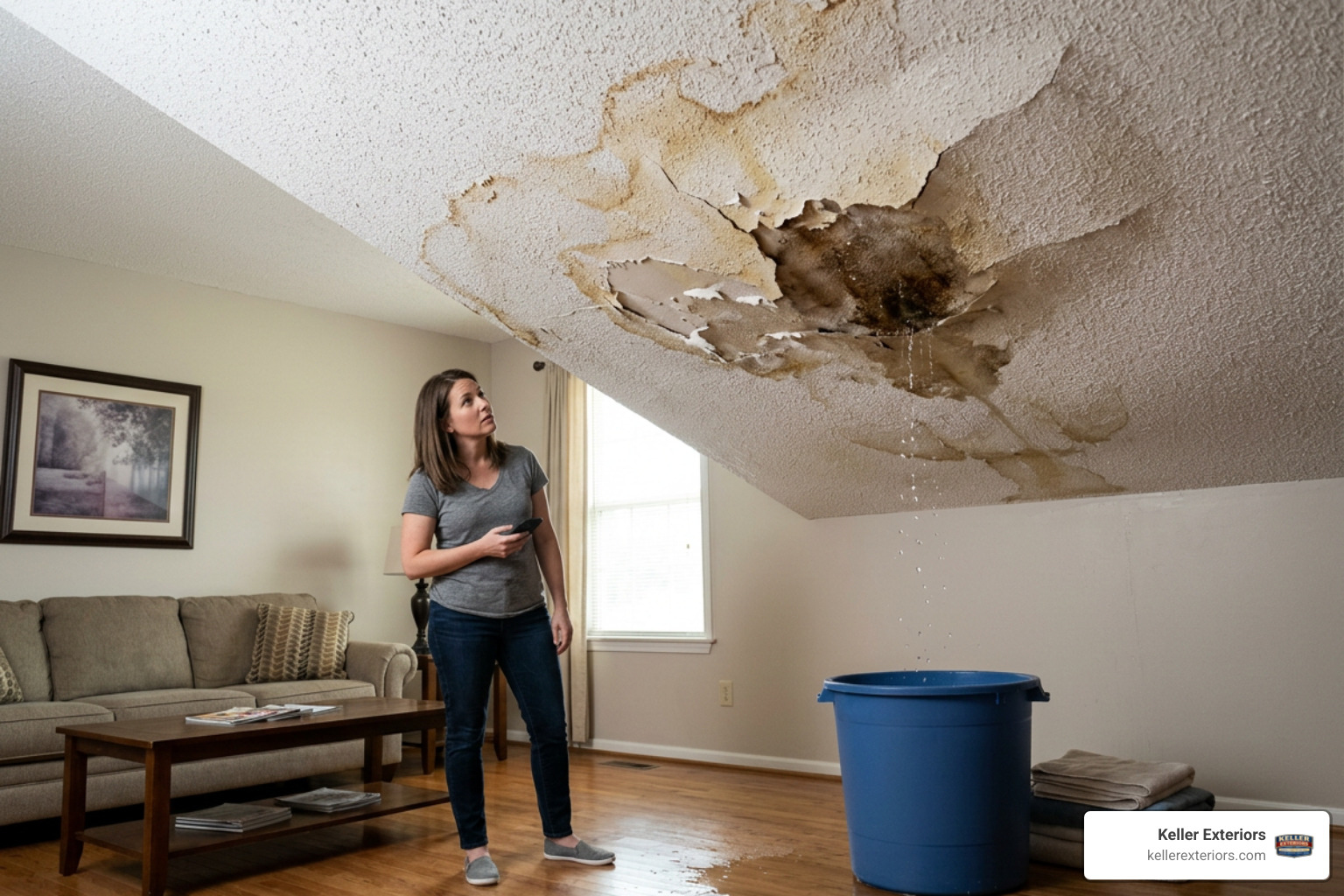
- Water Stains on Ceilings: If you notice brown water spots on your drywall or in your attic, water is already bypassing both the tiles and the underlying membrane.
- Slipped or Missing Tiles: Gaps in your tile pattern indicate that fasteners have failed or rusted away. This is a common issue on historic homes where original wooden pegs or iron nails have rotted.
- Broken Mortar: Look closely at the ridges, hips, and valleys. If the mortar holding these specialty tiles together is crumbling, water can easily wind-drive its way under the field tiles.
- Attic Leaks: After a heavy rainstorm, grab a flashlight and head into your attic. Look for damp rafters, wet insulation, or daylight shining through the roof deck.
If you spot any of these warning signs, it is time to explore storm damage roof repair options with a professional team to prevent further structural damage to your home.
Professional Methods for Clay Tile Roof Repair
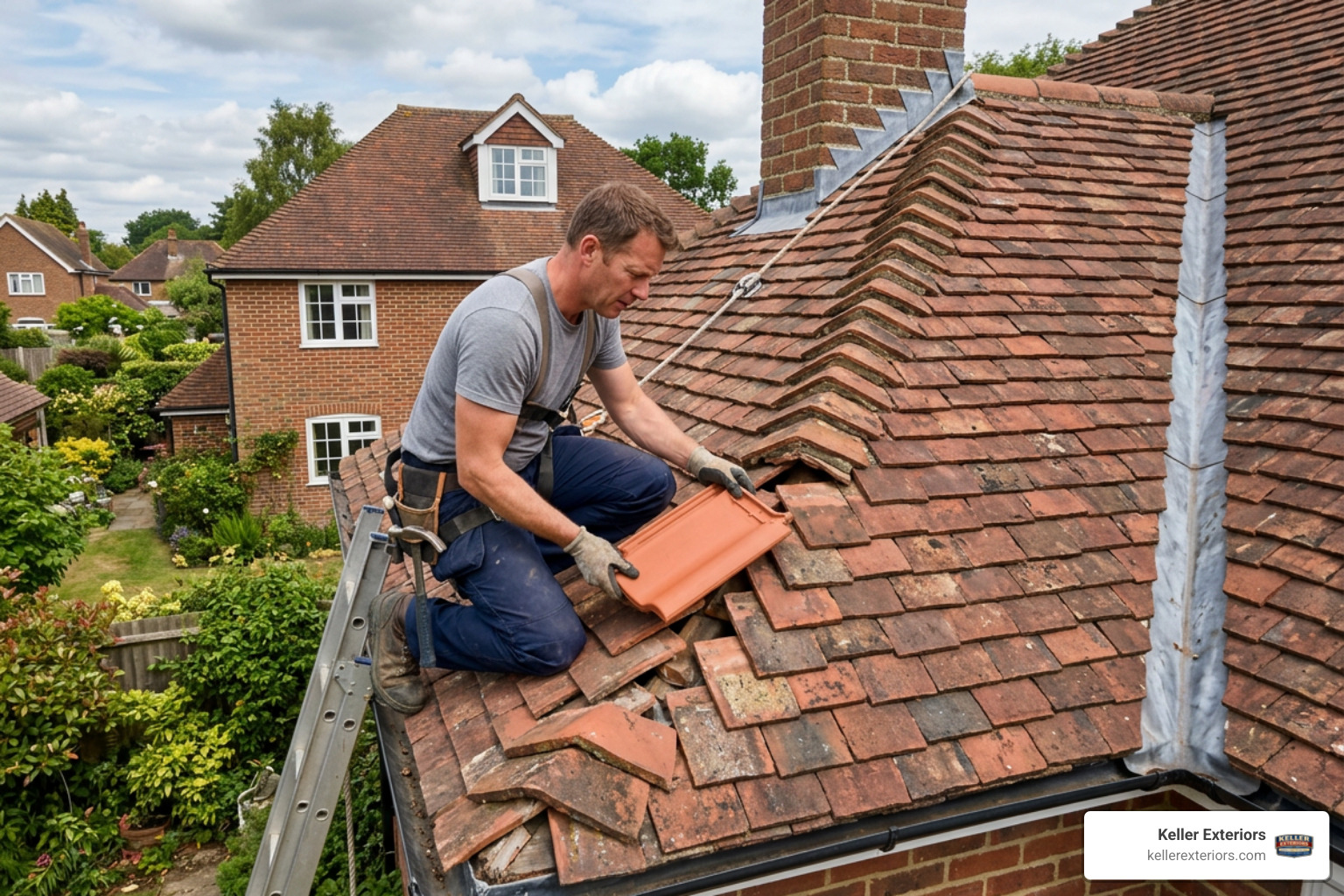
Repairing a clay tile roof is not a standard weekend DIY project. Because clay is so fragile, walking on it requires specialized techniques to avoid breaking adjacent tiles. Professionals use safety protocols and specific weight-distribution methods, such as placing thick foam cushions, sandbags, or plywood walkboards over the tiles to spread out their weight.
For historic properties, maintaining the architectural integrity of the roof is critical. The federal government outline on the repair and reattachment of clay roof tile | GSA provides strict standards for preserving these roofs, emphasizing that original tiles should be salvaged and reattached whenever possible.
Replacing Individual Clay Tiles Safely
When a single tile is cracked or broken, a professional roofer will use a careful sequence to replace it without disturbing the surrounding tiles:
- Gently lift adjacent tiles: The roofer will slide wooden wedges under the overlapping tiles directly above and to the side of the damaged tile. This relieves pressure and creates working space.
- Remove the broken pieces: The roofer carefully pulls out the shattered pieces of the old tile.
- Extract the old fastener: Using a specialized tool called a slate ripper, the roofer slides the tool under the tile, hooks the nail, and strikes the handle with a hammer to cut or pull the old nail out.
- Prepare the new tile: A matching replacement tile is sourced. If the tile is being installed in a tight spot where nailing is impossible, the roofer may drill a new hole using a carbide-tipped bit or prepare to use a specialty tile clip.
- Install the replacement tile: The new tile is slid into place. It is secured using non-corrosive copper wire hooks, stainless steel tile clips, or copper fasteners to ensure it stays anchored for decades.
- Remove the wedges: The wooden wedges are carefully removed, allowing the surrounding tiles to settle back into their original, interlocking positions.
Repairing Underlayment and Flashing
If water is leaking into your home but the tiles are intact, the issue lies with the underlayment or the flashing. Resolving this requires removing a section of tiles to access the underlying structure.
First, the tiles in the leaking area are carefully labeled and removed. The roofer then inspects the exposed wood decking for rot. Any damaged wood is replaced. Next, a high-quality, self-adhering elastomeric waterproof membrane is applied directly to the deck. This modern material is much more durable than traditional organic felt and self-seals around nail penetrations.
Finally, the flashing in the valleys and around chimneys must be evaluated. All flashing and valley metals should be replaced with highly corrosion-resistant materials, such as copper or stainless steel, extending at least twelve inches under the tiles to prevent future leaks.
Cost Factors and Repair vs. Replacement
When planning for clay tile roof repair, understanding the scope of the project helps you make the best financial decision. The overall cost of a repair depends heavily on the type of damage, the height and pitch of your roof, and how easy it is to find matching materials.
| Repair Type | Description | Complexity | Material Type |
|---|---|---|---|
| Single Tile Replacement | Swapping out individual cracked or broken field tiles | Low to Moderate | Matching clay tile, copper clip |
| Flashing Repair | Replacing rusted valley, wall, or chimney flashing | High | Copper or stainless steel sheet metal |
| Underlayment Patching | Removing tiles to replace dry-rotted felt in a specific area | High | Self-adhering waterproof membrane |
| Ridge Cap Mortar Repair | Re-pointing crumbling mortar along the hips and ridges | Moderate | Type N mortar, matching pigment |
Determining whether to repair or fully replace your roof often comes down to the 50 percent rule. If the cost of repairing your existing roof exceeds 50 percent of the cost of a complete replacement, a full replacement is generally the more cost-effective long-term choice.
Additionally, you must consider the age of your underlayment. If your clay tiles are in beautiful shape but the underlayment is fifty years old and failing across the entire roof, you will need to lift all the tiles, install a new waterproof membrane, and then reinstall the tiles. This is often referred to as a lift-and-lay service, which preserves your historic tiles while giving you a brand-new waterproofing system underneath.
If you are experiencing widespread issues, exploring professional roof replacement services can give you a clear picture of whether a repair or a complete replacement is right for your home.
Sourcing Materials for Historic Clay Tile Roof Repair
A challenge in repairing older roofs in historic districts, like Midtown OK or Brookside OK, is finding matching tiles. Clay tiles from the early twentieth century have unique color variations, textures, and dimensions that modern, mass-produced tiles cannot easily replicate.
To achieve a seamless repair, we often source vintage tiles from specialized salvage yards that reclaim materials from historic building demolitions. Matching the exact profile, whether it is a tapered Spanish S-tile, a flat French tile, or a classic Mission barrel tile, is crucial. If an exact match is impossible, we can sometimes harvest original tiles from inconspicuous areas of your roof, such as behind a chimney or near a back valley, and use those to repair highly visible front-facing areas. We then place the slightly different modern replacement tiles in the hidden spots.
Best Practices for Clay Tile Roof Maintenance
Taking care of your clay tile roof does not have to be overwhelming. Consistent, gentle maintenance will help you avoid major repair bills and keep your home protected.
Here are the best ways to maintain your roof:
- Schedule Annual Inspections: Have a professional inspect your roof once a year, preferably in the autumn before freezing weather arrives.
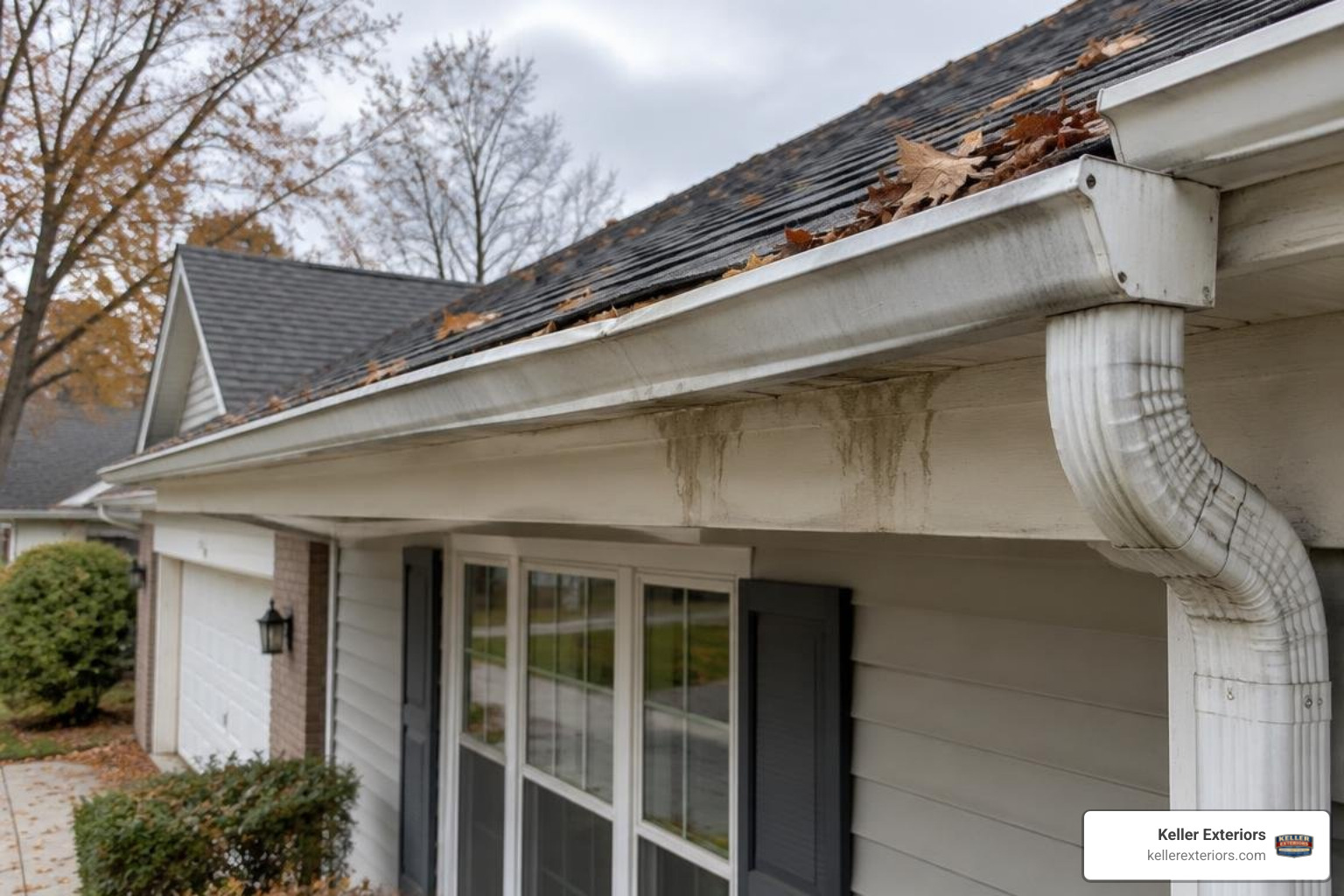
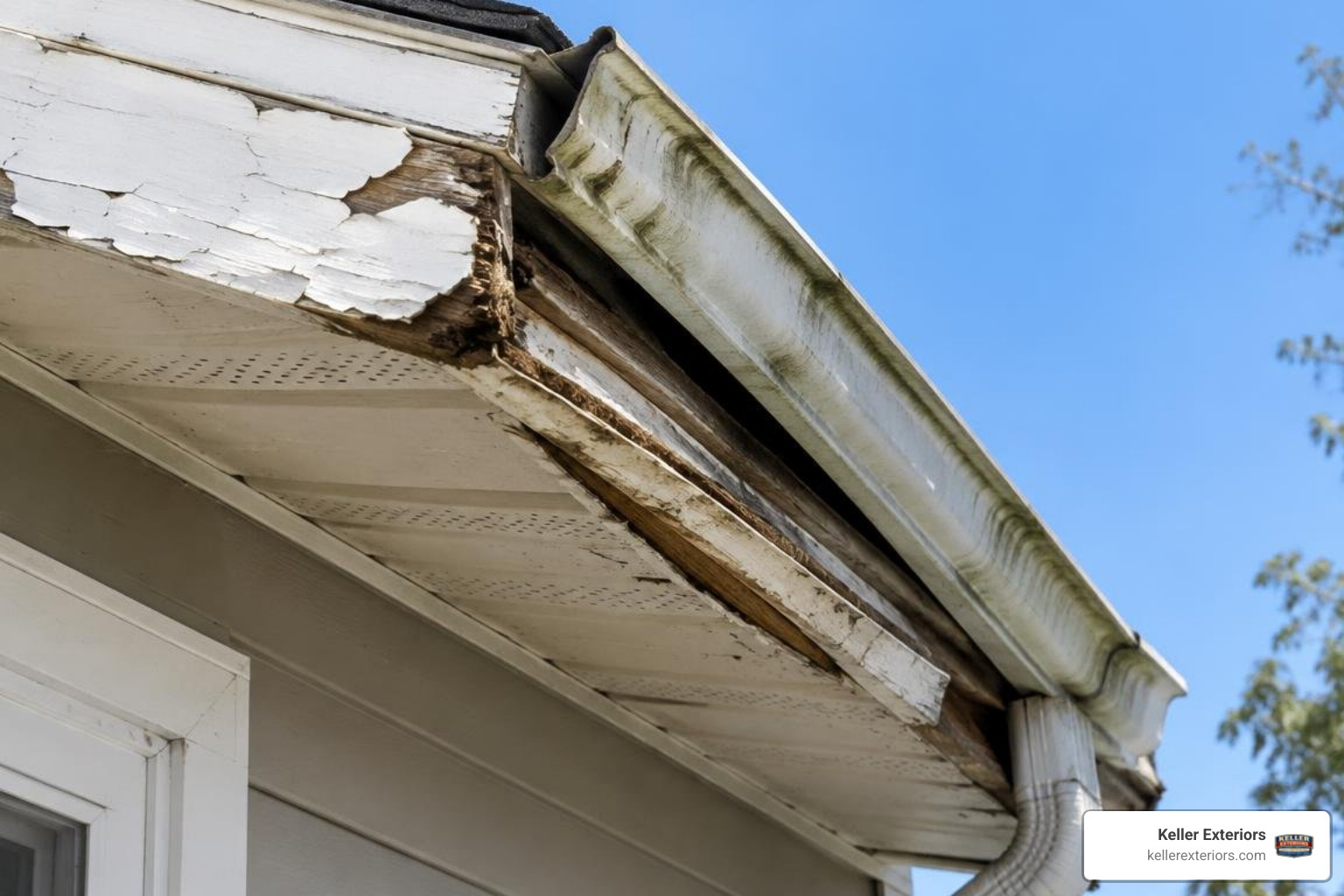
- Keep Gutters Clean: Clogged gutters cause water to back up under the eave tiles, which can quickly rot your fascia boards and roof deck.
- Remove Debris Promptly: Leaves, twigs, and pine needles trap moisture against the tiles. Use a leaf blower from a ladder or a telescoping pole to clear debris without walking on the roof.
- Address Moss Gently: If you notice moss or algae, treat it with an eco-friendly, low-pressure chemical wash. Never use high-pressure water.
Mistakes to Avoid During Maintenance
Many well-meaning homeowners accidentally damage their clay roofs by attempting standard maintenance practices that are completely wrong for clay.
First, never pressure wash your clay tile roof. High-pressure water can strip the protective glaze off the tiles, wash away the vital mortar joints along your ridges, and force water directly under the tiles into your attic.
Second, avoid walking on your tiles. Clay tiles are not designed to support concentrated human weight. If you must access your roof, leave it to professionals who use proper weight-distribution boards and safety harnesses.
Third, do not attempt DIY structural repairs. Using hardware store caulking or cheap plastic roofing cement to seal cracked tiles is a temporary fix that will quickly fail under the hot Oklahoma sun, leaving you with a messy cleanup and a leaking roof.
If you need help keeping your roof in top shape, reaching out to experts for residential roofing solutions for your home is the safest way to ensure your roof receives the care it deserves.
Frequently Asked Questions About Clay Tile Roofs
How long do clay tile roofs typically last?
When properly installed and maintained, clay tile roofs commonly last 100 years or longer. In some historical preservation cases, clay tiles have remained functional for several centuries. The clay itself is virtually impervious to rot, insects, and fire.
Can you walk on a clay tile roof?
You should never walk directly on a clay tile roof unless it is absolutely necessary, and even then, only with specialized weight-distribution equipment. Clay tiles are brittle and will easily crack under foot traffic. Professional roofers use foam walk pads, sandbags, or plywood planks to distribute their weight safely.
How much does clay tile roof repair cost?
The cost of clay tile roof repair varies widely based on the scale of the damage. Minor repairs, such as replacing a few cracked tiles, are relatively affordable. However, major repairs involving extensive flashing replacement, structural deck repairs, or underlayment restoration will naturally require a larger investment.
Why do clay roof tiles crack?
Clay tiles crack primarily due to physical impacts, such as falling tree limbs, heavy hail, or foot traffic. They can also crack over time from thermal expansion and contraction, or when water enters micro-fissures and expands during freeze-thaw cycles.
Can you repair a cracked clay tile instead of replacing it?
Very minor hairline cracks can sometimes be sealed using high-quality silicone caulk and roofing cement as a temporary measure. However, replacing the damaged tile entirely is always the recommended, permanent solution to ensure long-term watershedding integrity.
What is the best underlayment for a clay tile roof?
A heavy-duty, self-adhering elastomeric modified bitumen membrane is the gold standard for clay tile roofs. This waterproof underlayment is highly resistant to heat, self-seals around fasteners, and easily lasts twice as long as traditional organic asphalt felt paper.
How do you find matching replacement clay tiles?
Matching older clay tiles requires working with a contractor who has access to historic salvage yards and vintage tile inventories. Because tile profiles, sizes, and color glazes have changed over the decades, finding an exact match often involves sourcing reclaimed tiles from the same era.
Is concrete tile a good substitute for clay tile?
Concrete tile is generally not a suitable substitute for historic clay tile repairs. Concrete has a different weight, profile, and rate of water absorption. Most importantly, concrete tiles fade over time, whereas genuine clay tiles retain their rich, kiln-fired color permanently.
How often should a clay tile roof be cleaned?
A clay tile roof should only be cleaned when there is a significant buildup of moss, algae, or debris, typically every three to five years. Always ensure the cleaning is done using low-pressure chemical treatments rather than high-pressure power washing.
When should I fully replace my clay tile roof?
You should consider a full replacement if the cost of repairs exceeds 50 percent of the replacement value, or if the underlying waterproof membrane has failed across the entire roof. If the tiles themselves are still in good condition, a lift-and-lay service can replace the underlayment while reusing your original tiles.
Protect Your Historic Roof with Professional Care
Your clay tile roof is a beautiful, historic asset that defines the character of your home. Preserving it requires a delicate touch, specialized tools, and decades of local expertise. At Keller Exteriors, we have spent over twenty years serving homeowners throughout the green country area, including Bixby, OK, Broken Arrow, OK, and Wagoner County, OK.
Whether you need a simple inspection after a spring storm, a few individual tiles replaced, or a complete historic restoration, our team of local experts is here to help. We understand the unique challenges of maintaining these beautiful roofs in our Oklahoma climate, and we treat every home with the care and precision it deserves.
If you suspect your roof needs professional attention, do not wait for the next storm to find out. Contact us today to explore our experienced local roofing contractors and schedule your professional roof inspection.