A Cracked Roof Tile Is More Than a Cosmetic Problem
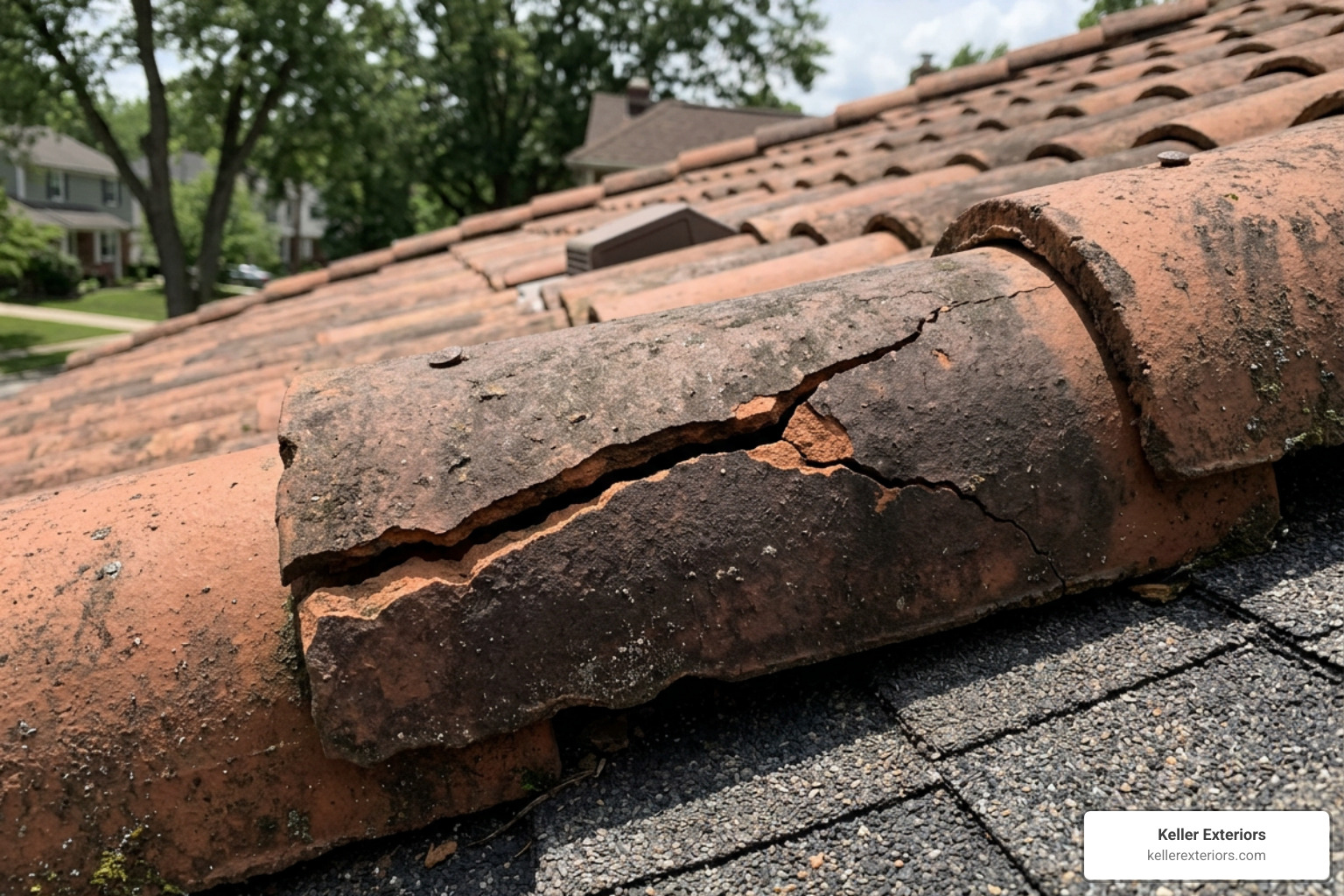
A cracked roof tile can look like a minor issue from the driveway. It isn’t.
Even a single crack can let water into your roof system. That water doesn’t just drip straight down. It can travel up to 20 feet along the underlayment before you ever see a stain on your ceiling. By then, the damage is already done.
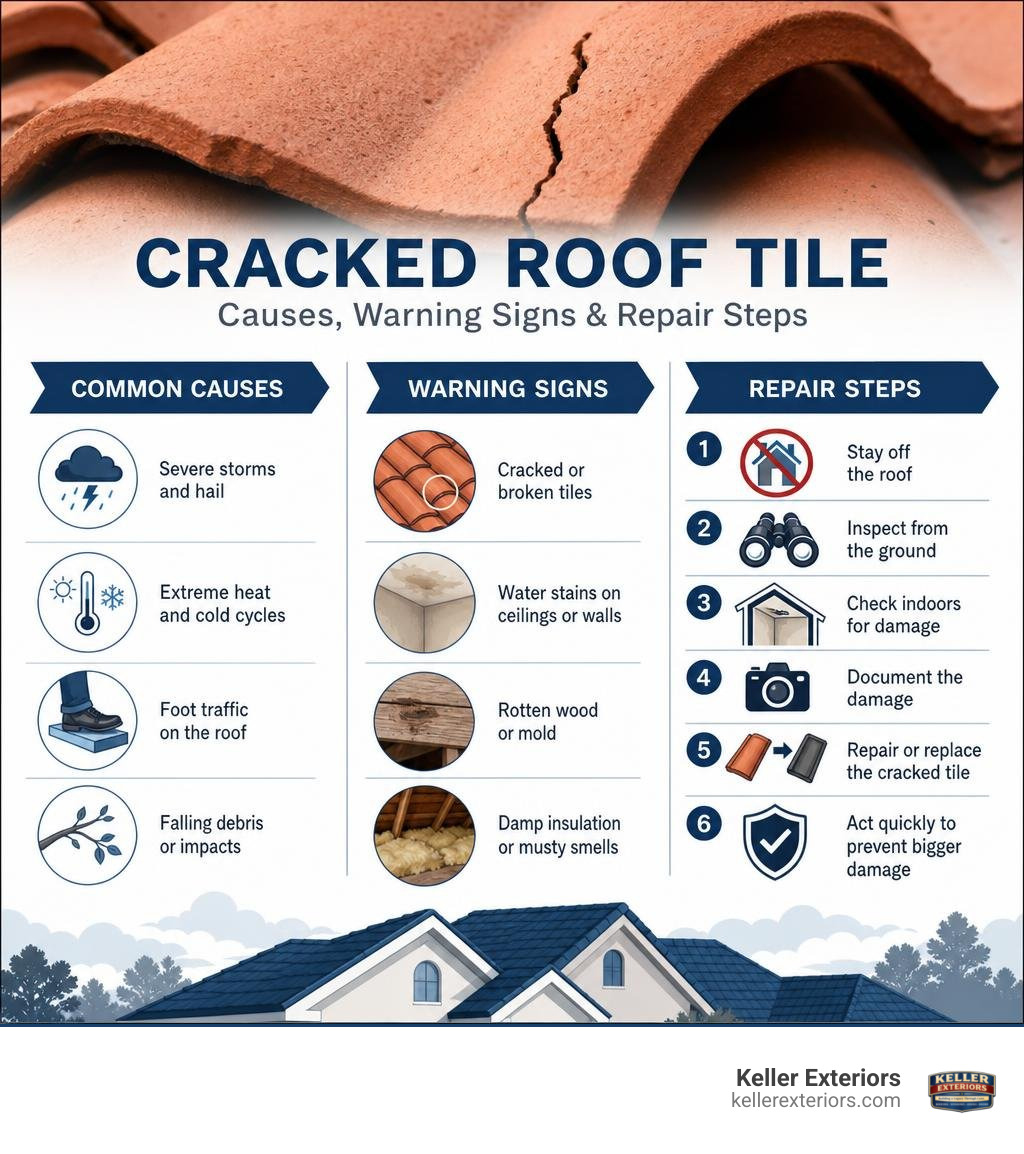
Here is a quick overview of what to do if you have a cracked roof tile:
- Stay off the roof. Clay and concrete tiles are brittle and can crack further under your weight.
- Inspect from the ground using binoculars, or use a ladder to get a closer look from the eave.
- Check indoors for water stains, musty smells, or damp insulation.
- Document the damage with photos before doing anything else.
- Decide on repair or replacement based on how severe the crack is (hairline vs. shattered).
- Act quickly. Delaying repairs can turn a small fix into a much larger structural problem.
For Tulsa-area homeowners, the stakes are even higher. Oklahoma’s storms, hail, and wide temperature swings put tile roofs under constant stress. Ignoring even one damaged tile after a storm can lead to wood rot, mold growth, and costly structural repairs down the road.
I’m Robert Keller, owner of Keller Exteriors, and I’ve spent more than 25 years helping homeowners protect their homes from exactly this kind of damage. In that time, I’ve seen how a neglected cracked roof tile can escalate from a simple repair into a full structural headache. This guide walks you through everything you need to know to handle it the right way.
Common Causes of a Cracked Roof Tile
Understanding why your roof tiles crack in the first place helps you spot issues early and take preventative action. In northeastern Oklahoma, our unique climate and weather patterns play a massive role in tile damage.
Severe Storms and Hail Damage
Oklahoma weather is famous for its intensity. When severe spring and summer storms roll through Tulsa, OK, or Broken Arrow, OK, they often bring large hail. Hail stones that reach one inch in diameter or larger can easily fracture clay and concrete tiles. While a heavy impact might shatter a tile instantly, smaller hail strikes often create hairline fractures. You might not notice these tiny cracks from the ground, but they weaken the tile over time.
Thermal Expansion and Contraction
The temperature swings in our region are dramatic. In the summer, roof temperatures can soar. In the winter, freezing winds sweep through Owasso, OK, and Jenks, OK. This constant cycle of heating and cooling causes clay and concrete tiles to expand and contract. Over the years, this thermal movement creates stress points in the material, eventually leading to a visible cracked roof tile.
Accidental Foot Traffic
Clay and concrete tiles are incredibly durable when it comes to shedding water and resisting fire, but they are highly brittle under direct weight. Walking on a tile roof incorrectly is one of the most common causes of cracked tiles. If a technician installs solar panels, cleans your gutters, or services your chimney without using proper weight-distribution paths, they can easily crack multiple tiles.
Debris Impact
High winds during storm season can tear heavy branches from trees and fling them onto your roof. A direct hit from a falling limb can crack or completely shatter a tile. Even smaller, windblown debris can cause chipping and cracking along the edges of your tiles, which compromises their ability to shed water.
If you suspect your roof has suffered storm damage, scheduling a professional assessment is the safest way to find out. Our team provides comprehensive professional roofing services to identify and resolve these issues before they compromise your home.
How to Safely Inspect Your Roof for Damage
Inspecting your roof does not mean you should climb up and walk across the tiles. In fact, doing so is incredibly dangerous for both you and your roof.
The Real Danger of Roof Falls
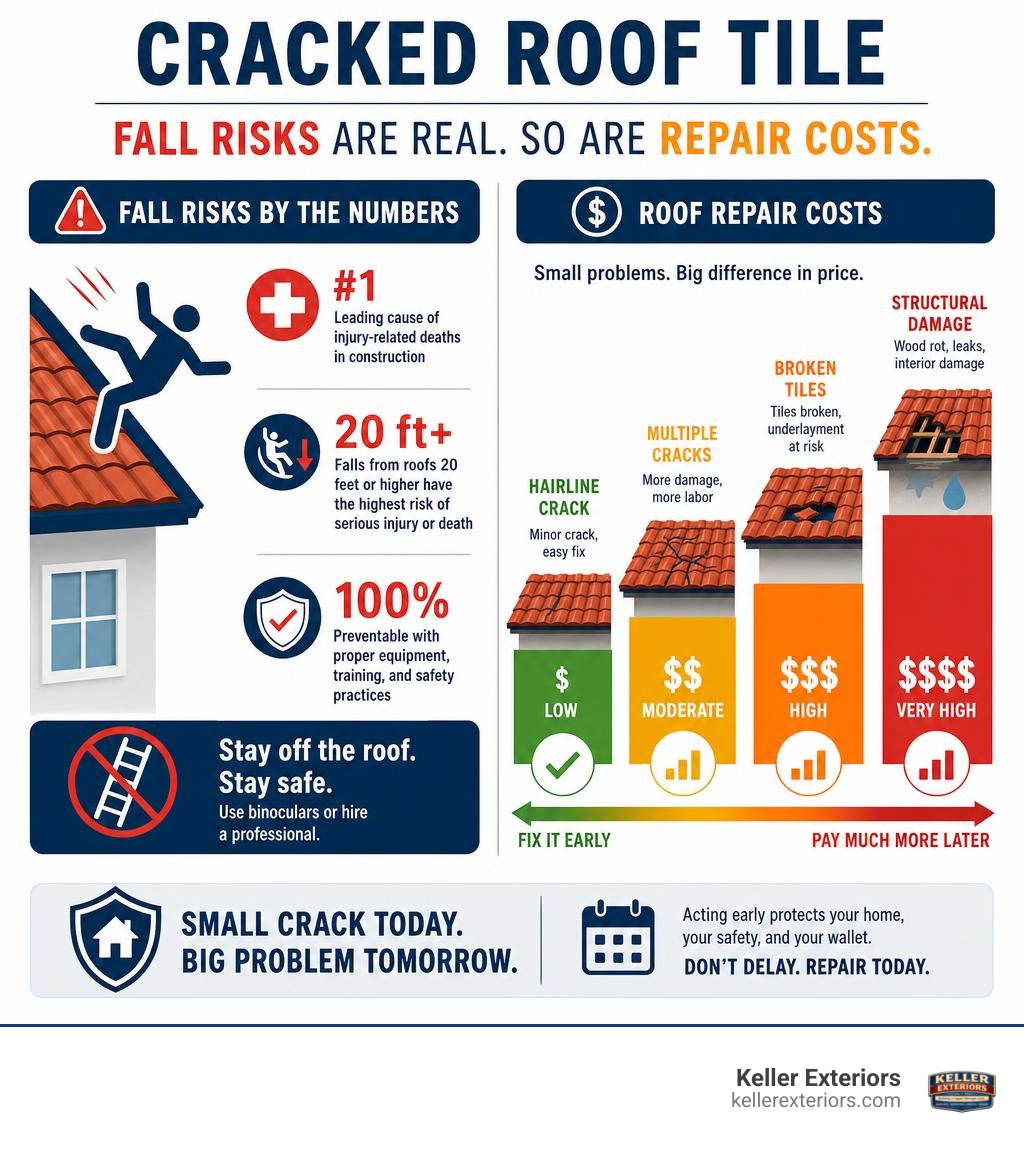
Safety is our absolute priority. Studies show that 93% of patients admitted to the hospital after falling from a roof required intensive care or extended hospital stays. Because clay and concrete tiles are slippery and brittle, walking on them dramatically increases your risk of slipping or falling. Furthermore, your footsteps can easily crush weathered tiles, creating new leaks where none existed before.
Ground-Level Inspections
You can perform a highly effective roof inspection without ever leaving the ground. Grab a pair of binoculars and walk around the perimeter of your home on a bright, clear day. Look closely at the roof sections, hips, and valleys.
Look for these key warning signs from the ground:
- Chipped corners or missing tile pieces in the valleys.
- Tiles that have slipped out of alignment, exposing the dark underlayment beneath.
- Crooked or loose tiles along the ridge line.
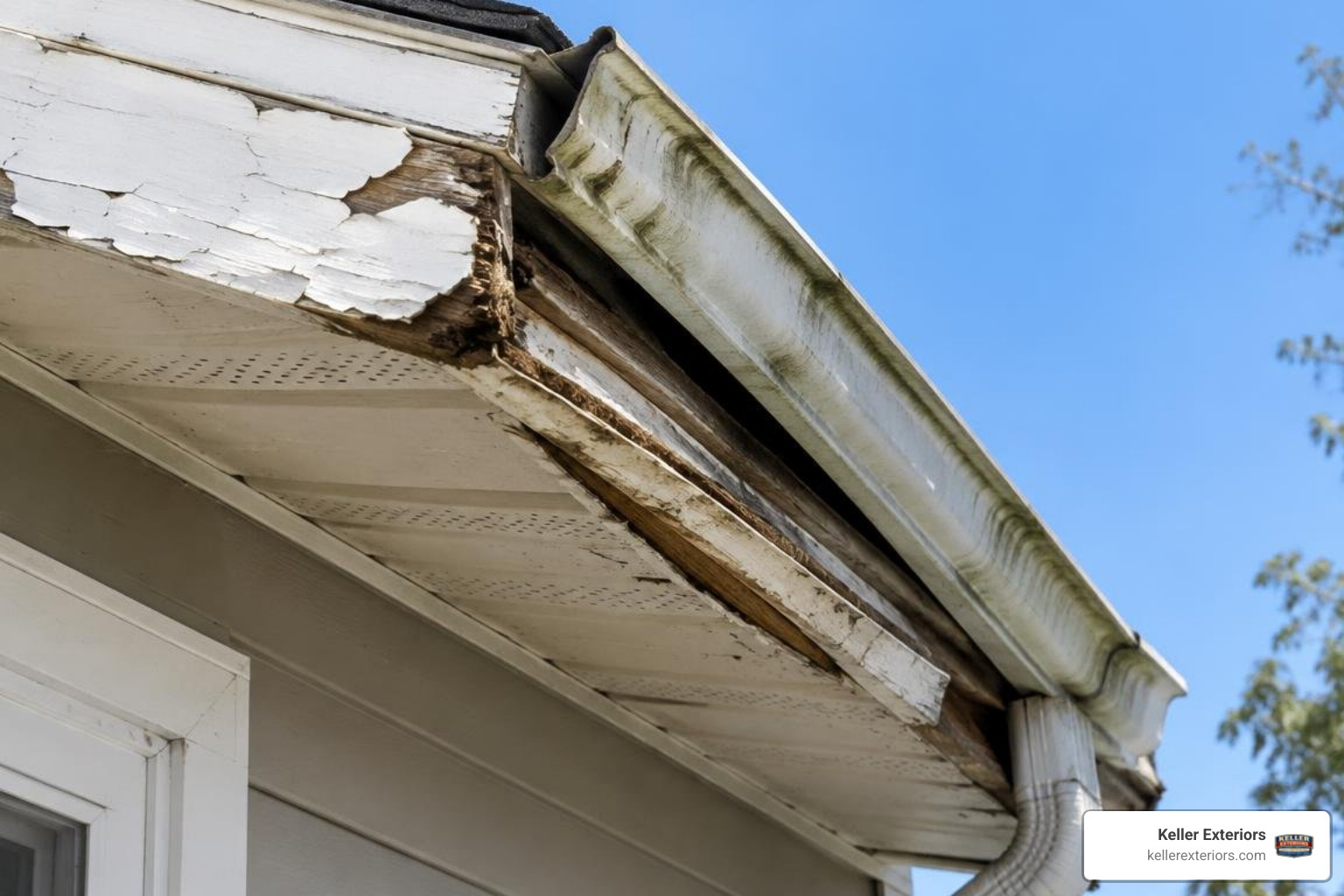
- Water stains or damp spots on your exterior siding and fascia boards.
Check Your Home’s Interior
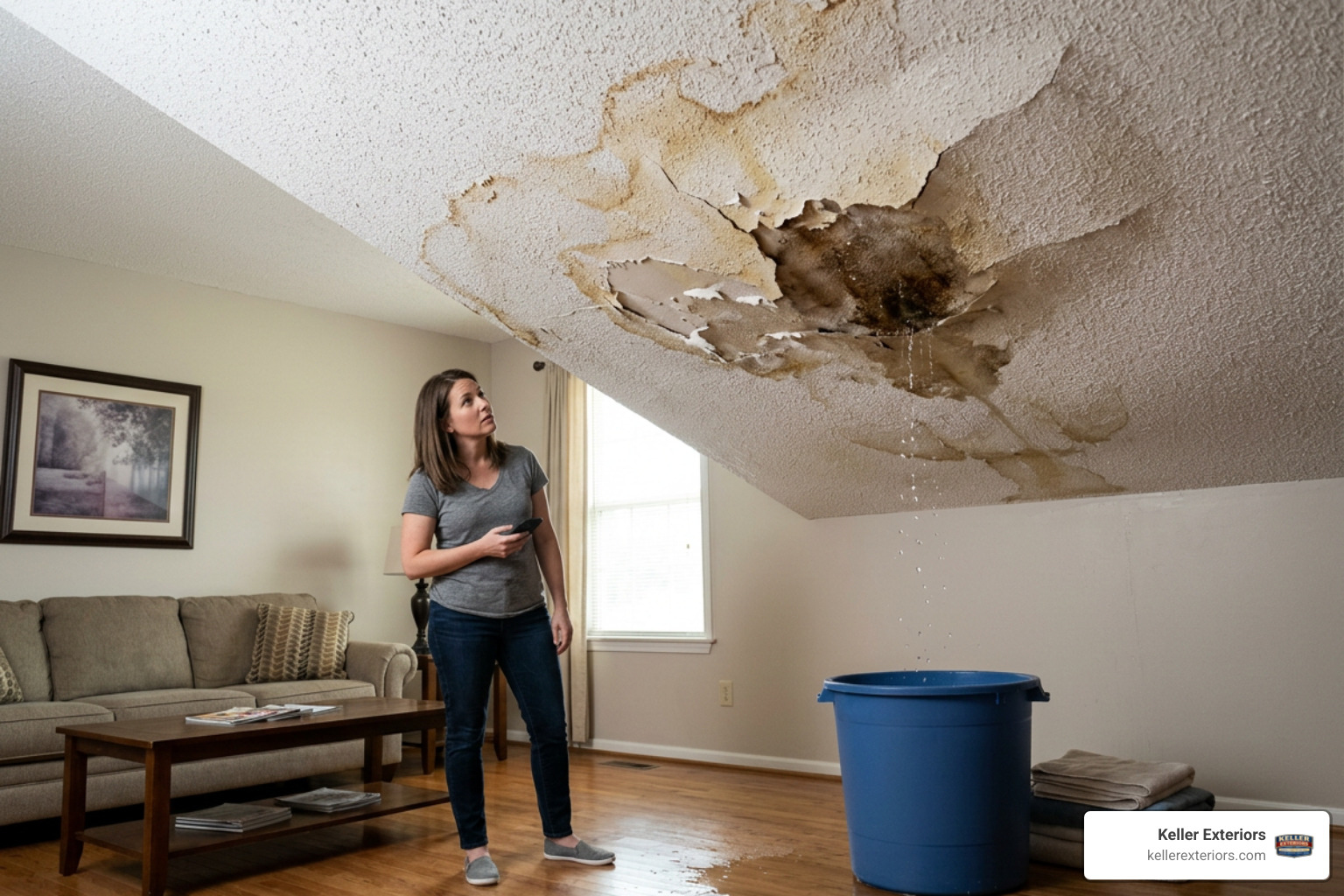
Often, the first sign of a cracked roof tile appears inside your home. Check your attic and top-floor ceilings regularly. Look for water stains, peeling paint, damp insulation, or a musty odor that indicates hidden mold growth.
Water can travel up to 20 feet along the underlayment before dripping through your ceiling. A stain in your bedroom ceiling might be caused by a cracked tile on the opposite side of the roof. If you want to know more about how we identify these tricky leaks, read through our frequently asked questions for more home maintenance tips.
DIY Repairs vs. Professional Replacement
When you find a cracked roof tile, you must decide whether to attempt a DIY repair or call in a professional team. The right choice depends entirely on the severity of the damage and the age of your roof.
Assessing the Severity: Hairline Cracks vs. Shattered Tiles
A single hairline crack on an otherwise sturdy tile is often a candidate for a simple repair. If the tile is still in one piece and firmly attached to the roof, you can sometimes seal the crack to prevent water penetration.
However, if a tile is shattered into multiple pieces, has a large section missing, or has slipped out of its fastening system, repair is no longer an option. You must replace the tile entirely to restore the structural integrity of your roof.
The Tile Roofing Industry Alliance sets the standards for proper tile roof maintenance. According to industry guidelines, gluing or sealing majorly broken tiles is only a temporary patch. For long-term protection, any tile with a full vertical or horizontal break spanning its width must be replaced.
| Scenario | DIY Repair (Adhesive/Sealant) | Professional Replacement |
|---|---|---|
| Hairline Crack | Yes (Temporary/Minor) | Yes (Best for Longevity) |
| Small Corner Chip (<2 inches) | Yes (Using compatible adhesive) | No (Usually unnecessary) |
| Shattered or Multi-Piece Break | No | Yes (Required) |
| Slipped or Displaced Tile | No | Yes (Requires proper refastening) |
| Exposed Underlayment | No | Yes (Underlayment must be patched) |
| Multiple Damaged Tiles | No | Yes (High risk of cascading leaks) |
While DIY materials like roof cement or silicone sealant are inexpensive, they do not offer a permanent solution for major damage. A professional tile replacement ensures that the underlayment is inspected, patched if necessary, and that the new tile is securely fastened to the roof structure.
Step-by-Step Guide to Fixing a Cracked Roof Tile
If you have a minor hairline crack or a small chipped corner, you may choose to perform a temporary repair. Always follow strict safety precautions. Set up your ladder on a flat, stable surface, wear non-slip shoes, and use a safety harness if you must work near the roof edge. Only attempt repairs on dry days; wet tiles are incredibly slick.
Temporary Fixes for a Cracked Roof Tile
For a minor crack, you can use high-quality roofing cement, silicone sealant, or concrete-compatible epoxy glue.
Follow these steps for a successful temporary repair:
- Clean the surface: Use a stiff wire brush to scrub away dirt, moss, algae, and loose debris from the cracked area. Adhesives will not bond to a dusty or dirty surface.
- Dry the area: Ensure the tile is completely dry before applying any sealant.
- Apply the adhesive: Force the roofing cement or silicone sealant deep into the crack using a putty knife or caulking gun. Make sure you fill the entire depth of the crack, not just the surface.
- Press and hold: If the piece is loose, press the sides of the tile together firmly. You can use stretched tape to hold the pieces in place while the adhesive sets.
- Allow to cure: Most high-quality roofing adhesives dry to the touch in 2 to 4 hours, but they require 24 to 48 hours to cure fully. Avoid touching or disturbing the tile during this curing time.
How to Replace a Cracked Roof Tile Entirely
Replacing a broken tile is the most reliable way to secure your roof. If you need to replace a tile on your home, here is how a professional technician handles the process.
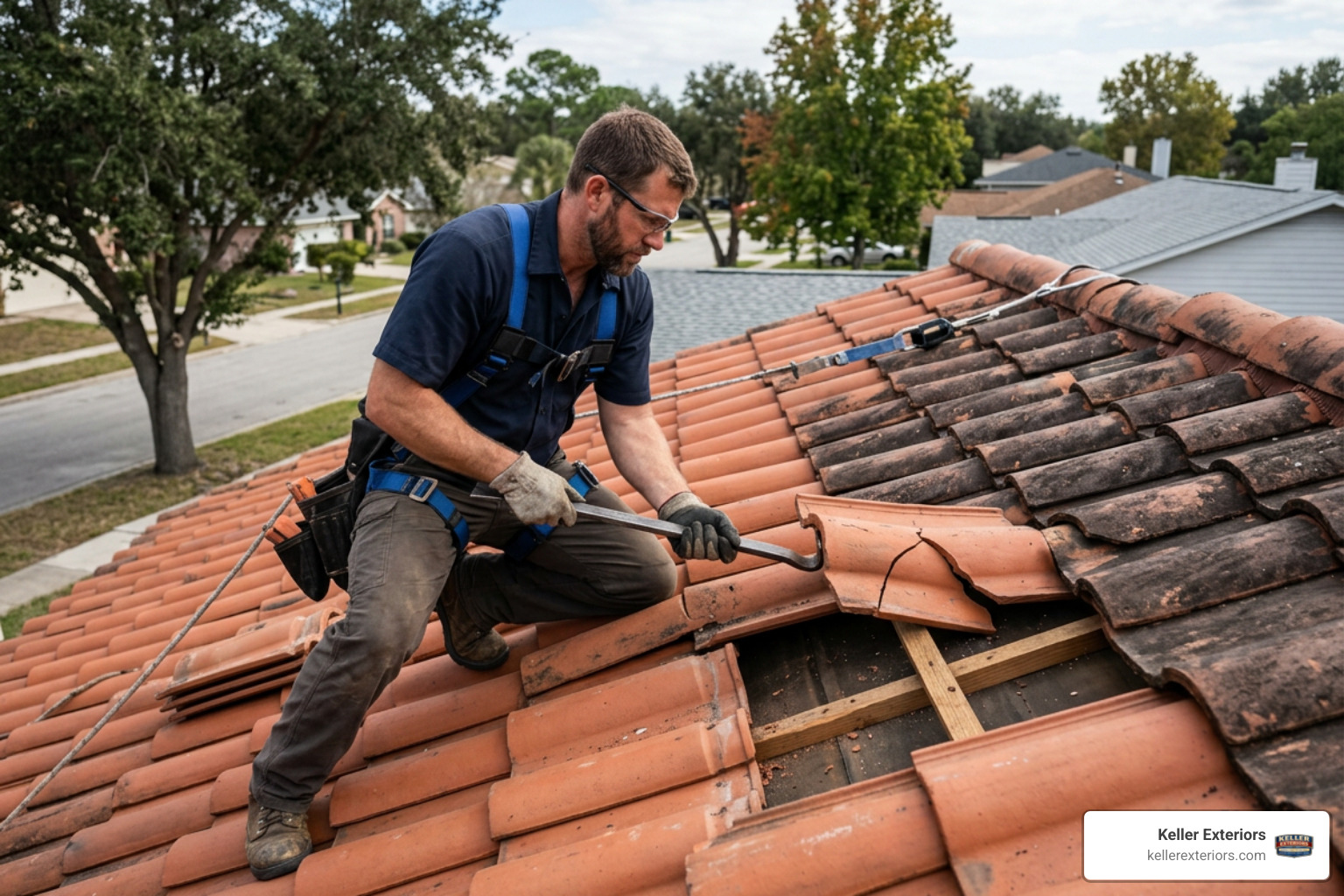
First, we use a pry bar or specialized tile hooks to gently lift the tiles that overlap the broken one. This relieves the pressure and exposes the nail or clip holding the damaged tile in place. We then slide the broken pieces out.
Once the old tile is gone, we inspect the exposed underlayment. If the underlayment is torn or degraded, we patch it with high-quality flashing cement and waterproofing membrane.
Next, we slide the replacement tile into position, ensuring it hooks securely over the wooden batten. If the tile was nailed down, we secure the new one using roofing adhesive or a specialized tile clip.
Finding a replacement tile that matches your existing roof can be challenging. Because tiles weather over time due to sun exposure, a brand-new tile will often look much brighter than your original roof. To maintain aesthetic consistency for our clients with Bixby roofing needs, we often source matching tiles from local reclamation yards. Alternatively, we can swap a weathered tile from an inconspicuous area of your roof (such as behind a chimney) to use in the highly visible spot, placing the new tile in the hidden location.
Preventing Future Roof Tile Damage
While you cannot control the weather in Claremore, OK, or Sand Springs, OK, you can take proactive steps to minimize the risk of tile damage. Regular maintenance extends the lifespan of your tile roof and saves you from costly water damage repairs.
Keep Your Gutters Clean
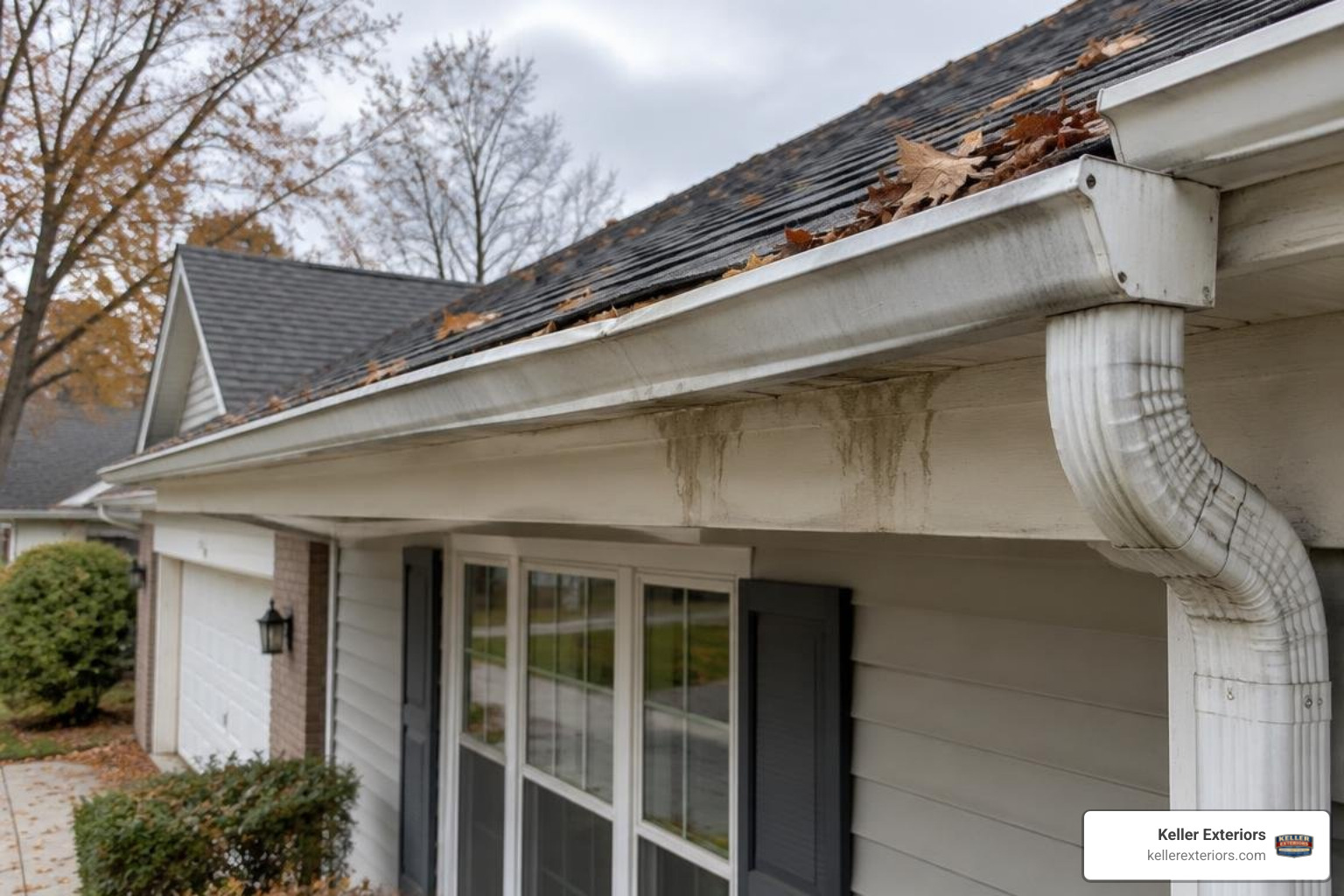
Clean your gutters and downspouts every 3 to 6 months. When gutters clog with leaves and debris, rainwater backs up under the lower edge of your roof tiles. This standing water degrades the underlayment and rots the wooden fascia boards, leading to structural instability.
Trim Overhanging Tree Branches
Keep tree branches trimmed back at least 6 to 10 feet from your roofline. During high-wind events in Bartlesville, OK, or Collinsville, OK, heavy branches can scrape against your tiles or snap off entirely, causing severe impact cracks.
Schedule Annual Professional Inspections
Having a professional roof inspection once a year is the best way to catch minor issues before they escalate. A trained eye can spot micro-fractures, slipped tiles, and failing flashings that are invisible from the ground.
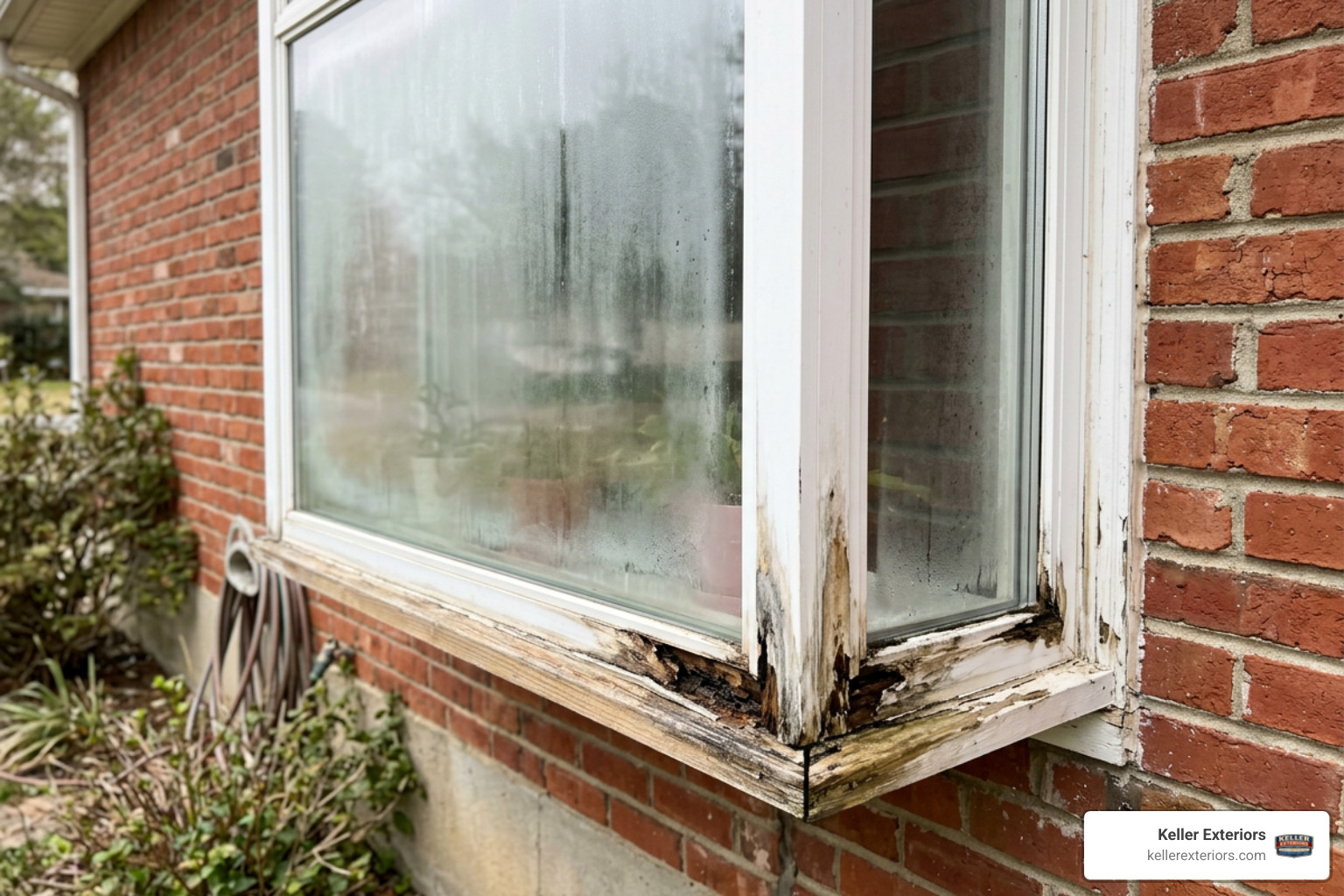
As you maintain your home’s exterior, do not forget about your other key systems. If you are checking your home for energy efficiency and storm resilience, keep an eye out for window replacement signs to keep your heating and cooling costs down. Upgrading to modern aluminum patio doors or replacing old, drafty windows with energy-efficient sliding windows can work alongside a healthy roof to keep your home comfortable year-round.
Frequently Asked Questions about Cracked Roof Tiles
What causes roof tiles to crack?
Roof tiles crack due to severe weather events like hail and high winds, thermal expansion from extreme temperature changes, falling tree limbs, and accidental foot traffic from inexperienced workers walking on the roof.
Can a single cracked roof tile cause a leak?
Yes. A single crack allows rainwater to seep beneath the tile. Once water gets past the tile, it degrades the underlayment, rots the wooden roof decking, and eventually travels down to cause ceiling stains and dangerous mold growth inside your home.
How long do clay and concrete roof tiles last?
Well-maintained clay tile roofs can last 50 to 100 years, while concrete tiles typically last 30 to 50 years. However, ignoring cracked tiles or failing to maintain the underlayment can cut this lifespan in half.
Can I walk on my tile roof to inspect it?
No. You should never walk on a tile roof. Clay and concrete tiles are highly brittle and can easily crack under human weight. It is always safer to inspect your roof from the ground using binoculars or to hire a professional.
What is the best adhesive for fixing a cracked roof tile?
For minor hairline cracks or corner chips, high-quality roofing cement, concrete-compatible epoxy glue, or professional-grade silicone sealants work best. These materials adhere well to clay and concrete surfaces when properly cleaned.
How long does roof tile adhesive take to cure?
Most roofing adhesives dry to the touch within 2 to 4 hours. However, they require 24 to 48 hours to achieve a full cure, depending on the humidity and temperature conditions in your area.
Does homeowners insurance cover cracked roof tiles?
Yes, most homeowners insurance policies cover tile damage if it was caused by a sudden, accidental event like a severe hailstorm or a falling tree limb. Insurance typically does not cover damage caused by normal wear and tear or neglected maintenance.
How do I match replacement tiles to my existing weathered roof?
You can find matching weathered tiles at local reclamation yards. Another common technique is to take a weathered tile from a hidden area of your roof to replace the visible broken one, then install the new, brighter tile in the hidden spot.
Is it cheaper to repair or replace a damaged roof tile?
Repairing a minor crack with adhesive is cheaper upfront, but replacing the tile entirely is the most cost-effective long-term solution. A proper replacement ensures complete weatherproofing and prevents expensive structural water damage.
When should I call a professional for tile roof repairs?
You should call a professional if the damage involves multiple broken tiles, if the tiles are on a steep pitch, if the underlying waterproof underlayment is exposed, or if you feel uncomfortable working on a ladder.
Protecting Your Home with Professional Roofing Services
Your roof is your home’s primary line of defense against the elements. While a cracked roof tile might seem like a small issue today, addressing it quickly prevents minor leaks from turning into major structural damage.
At Keller Exteriors, we have over 20 years of experience helping homeowners across northeastern Oklahoma keep their roofs in peak condition. Whether you live in Tulsa, OK, Broken Arrow, OK, or any of the surrounding communities, our trusted local team is ready to help. If you suspect your tile roof has storm damage or minor cracks, contact our team today to schedule a professional roof inspection and learn more about our comprehensive professional roofing services.